
Plants
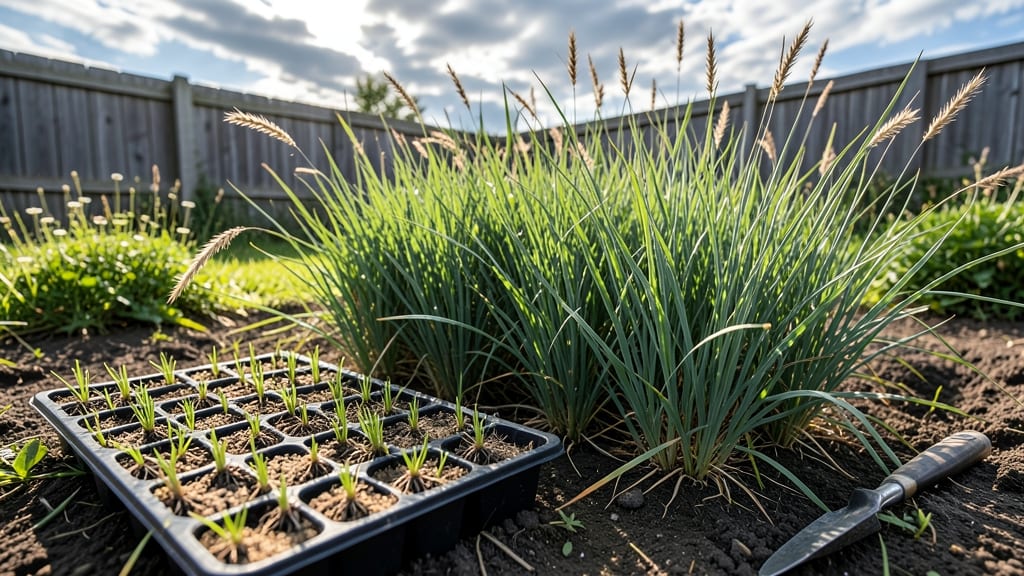
The best time to plant grass in Georgia is during early spring or early fall, when soil temperatures and frost-free windows align for optimal growth.
Picture this: you’ve spent hours preparing your soil, choosing the right grass seed, and even marking out the perfect layout—only to watch it wither under Georgia’s unpredictable weather. Timing isn’t just a detail; it’s the difference between a lush, green lawn and a patchy, struggling mess.
Georgia’s climate, with its warm springs and mild falls, creates two ideal windows: March to April for spring planting and September to October for fall.
These months offer the perfect balance of soil warmth and moisture, giving your grass the best chance to establish strong roots before summer heat or winter dormancy sets in.
In this guide, you’ll discover the exact soil temperature thresholds, regional frost-free deadlines, and grass types that thrive in Georgia’s 7b-8b zones. Whether you’re seeding or laying sod, these insights will help you avoid common mistakes and get your lawn off to a strong, healthy start.
Georgia’s ideal grass planting timeline: soil temps and frost-free deadlines
Georgia’s warm climate creates two perfect windows for planting grass—early spring and early fall—when soil temperatures and daylight balance create ideal conditions. Unlike cooler northern states, Georgia’s USDA zones 7b-8b allow for longer growing seasons, but timing still matters to avoid heat stress or winter dormancy issues.
The critical factor for successful grass planting is soil temperature, not air temperature. Grass seeds germinate best when soil stays between 55°F and 65°F for at least 4-6 weeks. In Georgia, this typically aligns with mid-March to April for spring and September to early October for fall.
Here’s why these windows work: Spring planting gives grass time to establish 6-8 weeks before summer heat arrives, while fall planting lets roots grow before winter dormancy. Planting outside these windows risks uneven germination, disease pressure, or wasted seed.
| Season | Ideal Months | Soil Temp Range | Frost Risk | Key Consideration |
|---|---|---|---|---|
| Spring | March–April | 55–65°F | Low (after March 15) | Establish before summer heat |
| Fall | September–Early October | 60–70°F | Moderate (after Oct 15) | Root growth before dormancy |
| North GA (Zones 7a-7b) | Late March–Mid-April | 50–60°F | Higher frost risk | Wait until last frost date |
| South GA (Zones 8a-8b) | Early March–Late April | 60–68°F | Minimal frost risk | Earlier window possible |
Georgia’s frost-free dates vary dramatically by region. In North Georgia (e.g., Atlanta, Dahlonega), the last frost typically occurs around March 15, while South Georgia (e.g., Savannah, Macon) sees frost-free conditions by February 15.
Always check your local frost dates via the National Weather Service or University of Georgia Extension for precise timing.
To verify soil temperature, use a soil thermometer (available at garden centers for ~$10). Insert it 2–4 inches deep in shaded soil and check daily. If temps drop below 55°F at night, wait 2–4 weeks before planting.
For sod installation, soil temps should stay above 60°F for consistent root growth.
Microclimates matter too! Urban areas like Atlanta may experience 5°F warmer soil temps than rural Mountain GA due to heat island effect. Coastal regions like Savannah can plant 2–3 weeks earlier than inland areas.
Observe your yard’s sun exposure and drainage patterns—shady spots may need a cooler-season grass like Tall Fescue.
Pro tip: If you miss the ideal window, late August is a secondary fall option, but expect slower establishment before winter. Avoid planting in May–July—the intense heat causes seed desiccation and dormancy stress.
For overseeding existing lawns, follow the same soil temp rules but use half the seed rate.
Remember: Preparation equals success. Before planting, test your soil’s pH (6.0–7.0 ideal) and amend with compost or lime if needed. Rake the surface to create a firm seedbed, then water lightly but frequently (daily for 2–3 weeks) to keep soil moist but not soggy.
By aligning your planting with Georgia’s soil temperature thresholds and regional frost-free dates, you’ll give your grass the best shot at a lush, even lawn with minimal stress. Timing isn’t just a suggestion—it’s the foundation of a thriving lawn. 🌱
Best grass types for Georgia’s climate and their planting windows
Georgia’s humid subtropical climate demands heat-tolerant and drought-resistant grass varieties to thrive. The right grass type paired with the perfect planting window ensures a lush lawn year-round.
Let’s break down the top four options—Bermuda, Zoysia, Tall Fescue, and St. Augustine—and their ideal planting months for your region.
Each grass variety has unique seasonal requirements and regional preferences. For example, Bermuda grass thrives in full sun and southern Georgia’s heat, while Tall Fescue excels in cooler northern zones and handles shadier spots.
Choosing the wrong type can lead to patchy growth or even lawn failure, so let’s dive into the details.
Bermuda grass is my top pick for southern Georgia’s intense heat and drought conditions. It goes dormant in winter but rebounds quickly in spring. Plant it after the last frost, ideally in late April, when soil temps hit 65°F. This grass thrives in full sun and handles foot traffic like a champ.
If you’re in central or northern Georgia, Tall Fescue is a cool-season powerhouse. It’s shade-tolerant and stays green longer in fall and spring. The best time to plant is September, when temps cool but before the first frost.
This variety is low-maintenance and perfect for busy homeowners.
Zoysia grass is a drought-resistant hybrid that’s gaining popularity across Georgia. It’s slow to establish but becomes thick and durable over time. For best results, plant in early spring (March) when soil is 55–65°F. Zoysia handles heat and humidity better than most grasses, making it ideal for summer lawns.
Finally, St. Augustine is a coastal favorite with broad blades and a lush appearance. It struggles in drought and heat, so it’s best for humid, shaded areas near the coast. Plant in mid-April to avoid winter dieback. This grass requires regular watering and fertilizing to stay vibrant.
Remember, soil prep is key for all grass types. Test your soil’s pH (6.0–7.0), loosen the top 4–6 inches, and remove weeds before planting. Water deeply after installation to encourage strong root growth.
With the right grass type and planting timing, your Georgia lawn will be the envy of the neighborhood! 🌱