
Plants
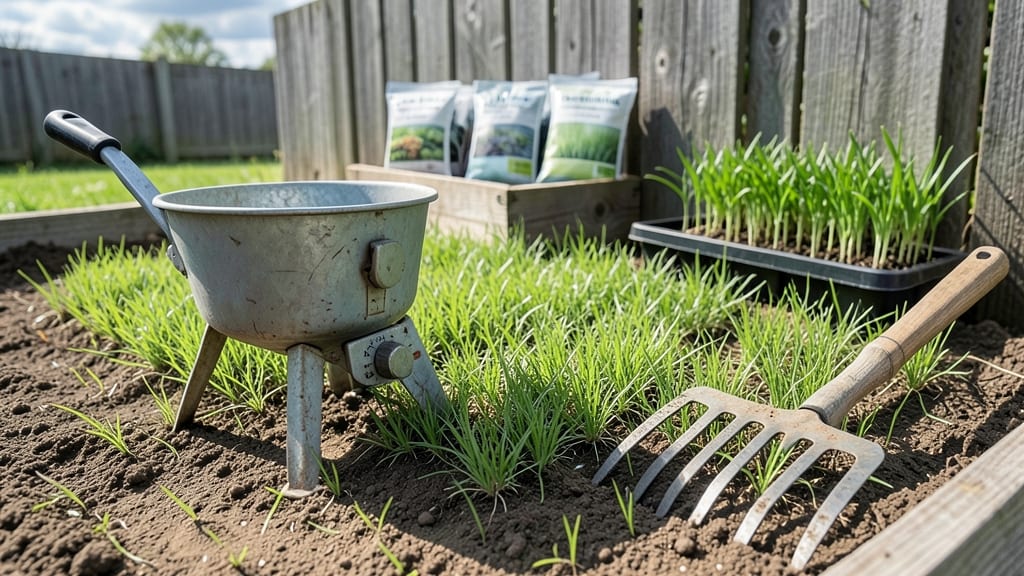
The best time to plant grass seed in Utah depends on your microclimate—whether you're in the high desert, mountain foothills, or Wasatch Front—but early spring and late summer are your golden windows for success.
Picture this: you’ve spent hours picking the perfect grass seed, only to watch it struggle because you planted too early or too late. Utah’s shifting temperatures and elevation changes make timing everything—get it wrong, and you’re left with patchy lawns or wasted seed.
Cool-season grasses like Kentucky Bluegrass thrive when planted in March or September, while warm-season types need the heat of late May to early July. But here’s the catch: soil temperature, not just calendar dates, is the real game-changer in Utah’s USDA Zones 5-7.
In this guide, I’ll break down the exact conditions for your region—soil warmth, rainfall triggers, and how to avoid Utah’s sneaky late frosts—plus the top 3 grass varieties that outperform the rest in your microclimate.
Utah’s ideal grass seed planting windows by microclimate zone
Utah’s three distinct microclimates create wildly different conditions for grass seed success. The Wasatch Front enjoys milder winters, while the High Desert faces extreme heat and cold swings, and Mountain Foothills deal with late frosts.
Each zone demands a tailored planting window to avoid germination failures caused by temperature extremes or drought.
Cool-season grasses like Kentucky Bluegrass and Fescue dominate Utah lawns, thriving in spring and fall when soil temps hover between 50°F and 75°F. Warm-season grasses such as Buffalo Grass prefer late spring to early summer, but they struggle in Utah’s short growing season.
Timing isn’t just about months—it’s about soil moisture, rainfall patterns, and avoiding Utah’s infamous false springs.
Here’s how to match your planting window to Utah’s three key zones, including the best months, soil temperature triggers, and rainfall cues to maximize germination rates.
| Microclimate Zone | Optimal Planting Window | Soil Temp Trigger | Rainfall Cues | Grass Types |
|---|---|---|---|---|
| Wasatch Front (Salt Lake City, Provo) | Early March–Mid-April Late August–Early October |
50°F–65°F (spring) 60°F–75°F (fall) |
0.5–1 inch weekly Consistent moisture |
Kentucky Bluegrass Tall Fescue Fine Fescue |
| High Desert (St. George, Cedar City) | Late February–Early March September–October |
55°F–60°F (spring) 65°F–70°F (fall) |
0.3–0.7 inch weekly Avoid summer planting |
Buffalo Grass Blue Grama Drought-Tolerant Fescue |
| Mountain Foothills (Park City, Ogden) | Mid-April–May Late September |
50°F–60°F (spring) 55°F–65°F (fall) |
1–1.5 inch weekly Watch for late frosts |
Creeping Red Fescue Hard Fescue Ryegrass (temporary) |
The Wasatch Front offers the most forgiving window for cool-season grasses, with March–April and September–October being ideal. This zone benefits from consistent rainfall and milder winters, making it perfect for Kentucky Bluegrass, which needs 60–75°F soil temps to germinate reliably.
Plant too early, and you risk false springs—a common Utah pitfall where warm weather tricks seeds into sprouting, only to be killed by late frosts.
In the High Desert, where summers can exceed 100°F, spring planting is critical. Aim for late February–early March when soil temps stabilize above 55°F. Buffalo Grass and Blue Grama thrive here, but avoid summer planting—heat stress will kill seedlings before they establish.
The desert’s low humidity also demands daily watering for the first 3 weeks to prevent desiccation.
For Mountain Foothills, patience is key. Wait until mid-April to plant, as late frosts can linger until May 10 at higher elevations. Creeping Red Fescue and Hard Fescue are top choices here, thanks to their cold tolerance.
If you plant in fall, stick to late September—any later, and first frosts (often by October 15) will halt germination.
Regardless of zone, always test soil moisture before planting. Stick a screwdriver 6 inches deep—if it comes out dry, wait for rain. In drought-prone areas, consider hydroseeding or mulching to retain moisture.
And remember: overseeding in fall is your best bet for a thicker lawn, as cool-season grasses grow aggressively when days shorten.
Pro tip: Use a soil thermometer to confirm temps—below 50°F delays germination, while above 80°F causes seed dormancy. Utah’s microclimates reward precision, so check your local USDA Zone (typically 5–7) and adjust your timeline by 1–2 weeks if you’re in a cooler pocket.
Critical pre-planting conditions in Utah: soil temperature, moisture, and elevation factors
Utah’s soil temperature and elevation create unique challenges for grass seed germination. Unlike coastal regions, Utah’s dry air and temperature swings demand precise timing. Planting too early risks false springs and late frosts, while waiting too long can lead to heat stress or drought conditions.
Let’s break down the critical factors to ensure your grass seed thrives.
First, check soil temperature at a 4-inch depth. For cool-season grasses like Kentucky Bluegrass or Fescue, aim for 50-65°F. Warm-season grasses like Buffalo Grass need 65-75°F.
Use a soil thermometer or moisture meter to avoid guesswork. In Utah’s high desert, soil warms faster than in mountain valleys, so adjust your timeline accordingly.
| Factor | Utah-Specific Requirement | Actionable Tip |
|---|---|---|
| Soil Temperature | Cool-season: 50-65°F Warm-season: 65-75°F |
Test at 4-inch depth with a soil thermometer for 3 consecutive days. |
| Moisture Level | 1-2 inches of water per week (deep soak) | Use a moisture meter to ensure top 2 inches stay damp but not soggy. |
| Elevation Adjustments | High desert (4,000-6,000 ft): Plant 2 weeks earlier Mountains (> 7,000 ft): Plant 2 weeks later |
Check USDA Plant Hardiness Zone for your area and adjust deadlines. |
| Frost Risk | Avoid planting 2 weeks before last frost date (varies Mid-April to June) | Sign up for local weather alerts to track frost forecasts. |
Utah’s elevation variations play a huge role in timing. In southern Utah (e.g., St. George), you can plant cool-season grasses as early as late February, while in northern Utah (e.g., Ogden), wait until mid-April.
For warm-season grasses, southern Utah’s longer growing season allows planting by mid-April, whereas the Wasatch Front should wait until late May.
Don’t overlook soil moisture—Utah’s low humidity means water evaporates quickly. Keep the top 2 inches of soil consistently moist (not waterlogged) for the first 3-4 weeks after planting. Use a rain gauge or moisture meter to track watering. Overwatering can suffocate seeds, while underwatering leads to poor germination.
Avoid Utah’s false springs—those warm spells in February or March that trick you into planting too early. Check the 10-day forecast and ensure nighttime temperatures stay above 40°F for at least 7 days before planting.
Late frosts in May can also damage young seedlings, so monitor local frost advisories closely.
Pro tip: If you’re unsure about timing, opt for fall planting (late August to September). Cooler temperatures and consistent rainfall create ideal conditions for cool-season grasses to establish deep roots before winter. Just be sure to plant 6-8 weeks before the first frost date in your area.