
Plants
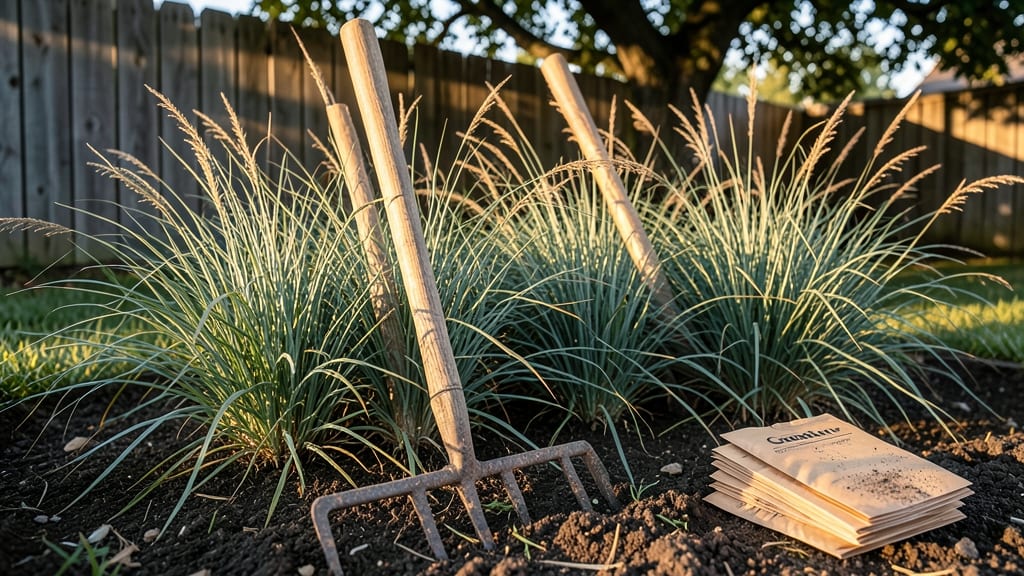
The best time to plant grass seed in Virginia is during early spring (March–April) or early fall (August–September), when soil temperatures sit between 50–65°F and rainfall supports germination.
Picture this: you’ve spent hours spreading seed, only to watch it dry out in a late-March heatwave or get smothered by a September downpour. Virginia’s 6a–8a zones mean timing isn’t just about the calendar—it’s about microclimates that can shift success from fast, lush growth to months of patchy frustration.
Spring planting gives grass a head start before summer heat, while fall avoids drought stress and weeds. But here’s the catch: coastal Virginia’s humidity and the Piedmont’s dry spells demand different prep work—like soil testing and mulching—to keep new seed thriving.
Below, I’ll break down the exact month-by-month windows for your region, plus soil tricks and watering hacks to turn your seed into a lawn that stays green year-round.
Virginia’s optimal grass seed planting months by microclimate Zone
Virginia’s climate varies dramatically from the humid Coastal Plain to the cooler Appalachian Plateau, making grass seed planting timing critical for success. The ideal window is typically early spring (March-April) or early fall (August-September), but exact timing shifts based on your microclimate zone and soil temperature thresholds.
For best results, aim to plant when daytime temperatures consistently stay between 50°F and 65°F—this range ensures fast germination while avoiding heat stress or early frost. Rainfall patterns also play a key role, with 1-1.5 inches of rain per week ideal for seedling establishment.
Below is a zone-by-zone breakdown of Virginia’s planting windows, including soil temperature targets, rainfall needs, and key planting months for each region.
In the Coastal Plain, where humidity lingers, I recommend planting tall fescue in late March to avoid fungal risks from excess moisture. The Piedmont benefits from Bermuda grass in late August, as its heat tolerance aligns with summer’s end.
For the Blue Ridge and Valley & Ridge zones, I suggest waiting until soil temperatures stabilize at 50°F—use a soil thermometer to monitor. These areas often see temperature swings, so planting in early fall gives seedlings time to root before winter.
The Appalachian Plateau has the shortest growing season, so I prioritize late April or mid-September plantings. Here, cool-season grasses like Kentucky bluegrass thrive better than warm-season types.
Regardless of zone, always test soil moisture before planting—aim for 60% soil moisture at 2-inch depth. If rainfall is unreliable, set up a drip irrigation system to maintain consistent moisture during germination.
Pro tip: In dry years, adjust planting to early fall when humidity increases and temperatures moderate. This reduces watering demands while still allowing 6-8 weeks of growth before frost.
🌱
How to adjust planting timing for Virginia’s unpredictable spring/fall weather
Virginia’s spring and fall weather can shift faster than a Piedmont breeze, leaving gardeners scrambling to find the perfect window for planting grass seed. Late frosts in March or unexpected heat waves in September can derail even the most careful plans.
The key is flexibility—knowing when to plant, how to monitor conditions, and what backup strategies to use when Mother Nature throws curveballs.
I’ve learned the hard way that planting too early in spring risks frost damage, while seeding too late in fall leaves grass vulnerable to winter stress. Soil temperature and moisture levels are your best friends here.
A soil thermometer (just $10 at garden centers) will tell you when conditions are ideal—50-65°F for most grass varieties. But if temperatures dip below 40°F at night, delay planting until conditions stabilize.
Here’s the critical rule: Plant when soil temps are consistently warm but air temps stay above freezing for at least 4-6 weeks after seeding. In Virginia, that typically means aiming for mid-April to early May in spring or mid-September to early October in fall.
But always check your local USDA Plant Hardiness Zone—coastal areas (Zone 7b-8a) have longer growing seasons than mountainous regions (Zone 6a).
⚠️ WARNING: DON’T PLANT TOO CLOSE TO FROST DATES! ⚠️
For spring planting, wait until after the last frost (typically March 15-April 15 in most of VA) but plant before soil gets too hot (above 75°F).
In Zone 7b (Richmond, Charlottesville), that’s usually April 1-15. In Zone 6a (Roanoke, Blacksburg), aim for late April to early May.
When weather throws you a curveball, have a backup planting strategy. If spring rains delay your project, switch to fall planting—it’s often more successful because cooler temps reduce weed competition and established roots handle winter better.
Keep a soil moisture meter handy; grass seed needs consistent moisture to germinate, but waterlogged soil can suffocate seeds. If your area gets less than 1 inch of rain per week, supplement with drip irrigation set to water deeply 2-3 times weekly.
Protect your newly seeded lawn with mulch and shade cloth. After planting, apply a ¼-inch layer of straw mulch to retain moisture and insulate seeds from temperature swings.
For extra protection during unpredictable heat waves or late frosts, drape shade cloth (30-50%) over the area during the day and remove it at night to prevent overheating. This simple trick can boost germination rates by 20-30% in variable conditions.
Finally, keep an emergency planting kit ready with extra seed, mulch, and a portable sprinkler. If a cold snap or drought threatens your newly seeded lawn, you’ll be prepared to cover seeds with frost blankets or adjust watering schedules on the fly.
Remember: patience and preparation are your best tools against Virginia’s whimsical weather. With these strategies, you’ll turn unpredictable conditions into prime growing opportunities.