
Plants
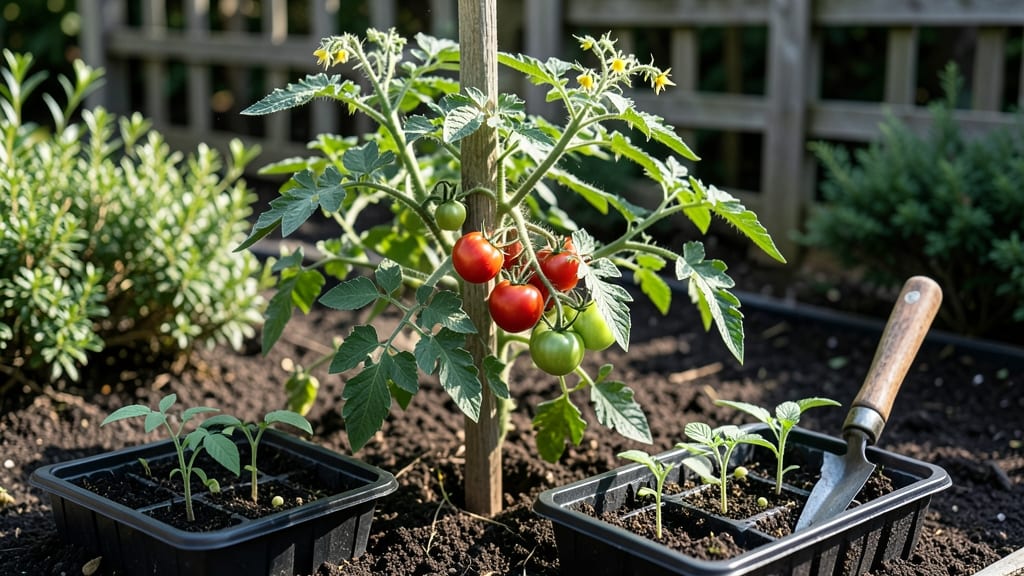
The best time to plant tomatoes in Georgia is after the last frost, when soil temperatures hit 60°F—typically mid-March for Zone 7b and early April for Zone 8a.
Georgia gardeners know timing is everything when planting tomatoes—and getting it wrong can mean the difference between a bumper crop and a sad, wilted disappointment. With USDA Zones 7b and 8a, late frosts or scorching summer heat can derail even the most eager planters.
This guide breaks down the perfect planting windows for both spring and fall, including soil prep tips to beat Georgia’s humidity and clay-heavy soil. You’ll also learn how to stretch your harvest season with mulch, shade, and heat-tolerant varieties.
Skip the guesswork: discover the exact dates, frost-free math, and pro tricks to grow tomatoes that thrive—not just survive—in Georgia’s climate.
Georgia’s optimal tomato planting windows by USDA Zone 7b/8a
Georgia’s USDA Zones 7b and 8a offer two prime windows for planting tomatoes: spring and fall. The key? Timing soil temperatures and frost dates to avoid cold snaps or summer wilting.
In Zone 7b, last frost typically arrives mid-March, while Zone 8a enjoys a 2-3 week earlier start. Both zones can also support a fall harvest if planted in late summer.
For spring planting, aim to transplant seedlings or direct-sow seeds when soil temperatures reach 55°F+. In Zone 7b, this usually means mid-April, while Zone 8a gardeners can start late March to early April.
Early varieties like ‘Celebrity’ or ‘Better Boy’ thrive with this timing, while late varieties (e.g., ‘Brandywine’) need 60-70 days of warmth to mature.
Here’s your Georgia tomato planting timeline broken down by zone and method:
| Zone & Method | Planting Window | Soil Temp Threshold | Key Notes |
|---|---|---|---|
| Zone 7b - Transplant Seedlings | Mid-April to early May | 55°F+ | Hardens off seedlings first; avoid blight risk |
| Zone 7b - Direct Sow | Late April to mid-May | 60°F+ | Slower start; best for heat-tolerant varieties |
| Zone 8a - Transplant Seedlings | Late March to early April | 55°F+ | Earlier start; monitor for early blight |
| Zone 8a - Direct Sow | Early April to late April | 60°F+ | Ideal for long-season varieties |
| Both Zones - Fall Planting | Late July to early August | 65°F+ | Harvest before first frost (mid-November) |
Direct sowing in Georgia’s clay-heavy soils requires extra care. Amend beds with compost or aged manure to improve drainage, and use mulch (straw or black plastic) to retain moisture. For transplanting, purchase healthy seedlings from local nurseries—avoid weak or leggy plants that struggle in Georgia’s humidity.
Adjust your planting dates if you experience unusually cold springs. Check the National Weather Service for frost advisories and delay until soil warms. In Zone 7b, a late April planting is safer than rushing in March.
Zone 8a gardeners can push the envelope slightly earlier, but 55°F soil is non-negotiable for germination.
For fall harvests, focus on determinate varieties like ‘Roma’ or ‘Patio’, which ripen faster in cooler weather. Plant in late July to give fruits time to mature before first frost (typically mid-November). Use row covers to extend the season if needed.
Pro tip: Test your soil’s pH (6.0-6.8) before planting. Georgia’s acidic soils often need lime or wood ash to prevent blossom end rot. A simple soil test kit from your local Cooperative Extension office ensures accuracy.
Finally, rotate your tomato planting locations yearly to prevent soil-borne diseases. Georgia’s warm, humid climate is a breeding ground for fungal issues, so crop rotation is your best defense. Pair tomatoes with basil or marigolds to deter pests naturally.
With these zone-specific windows and soil prep tips, your Georgia tomato garden will be bursting with juicy, homegrown fruit all season long. Happy planting! 🌱
How to extend your tomato growing season in Georgia’s heat
Georgia’s summer heat can turn your tomato plants into crispy reminders of what not to do—but with the right strategies, you can keep your vines thriving even when temps hit 95°F+. The key is combining heat-tolerant varieties, smart shade solutions, and moisture management to beat the blistering sun.
I’ve grown tomatoes in Zone 8a for years, and the difference between a wilting disaster and a bountiful harvest comes down to preparation. Start by choosing varieties bred for heat, like ‘Celebrity’ or ‘Solar Fire’, which handle Georgia’s peak summer better than standard types.
- 🌡️ Plant in late May-June for fall harvests—avoid early spring planting when soil stays too hot for seedlings.
- 🌿 Use 30% shade cloth during 12–4 PM to block 80% of sunlight without stunting growth.
- 💧 Mulch with 3–4 inches of straw or wood chips to retain moisture and cool roots by 10°F.
- 🌱 Succession plant every 2 weeks from June–July for continuous harvests through October.
- 🍅 Prune suckers aggressively to focus energy on fruit production instead of leafy growth.
For mulching, I swear by straw or pine bark—they keep soil temps 10°F cooler than bare ground and reduce watering needs by 30%. Spread a thick layer (3–4 inches) around plants but avoid piling against stems to prevent rot.
Succession planting is my secret weapon for fall harvests. Instead of one big planting in spring, I stagger transplants every 2 weeks from June through July. This ensures fresh tomatoes when summer heat peaks, and you’ll still have fruit ripening as temps drop in October.
Watering in the heat requires strategy: deep soak the soil every morning before 8 AM to avoid fungal diseases. I use drip irrigation to deliver 1–2 gallons per plant directly to roots, cutting evaporation and keeping leaves dry.
Don’t overlook heat-tolerant varieties—they’re your best defense. ‘Celebrity’ (determinate) and ‘Solar Fire’ (indeterminate) thrive in Georgia’s heat, producing fruit even when temps hit 95°F. Pair them with cage support to prevent sunscald on exposed fruit.