
Plants
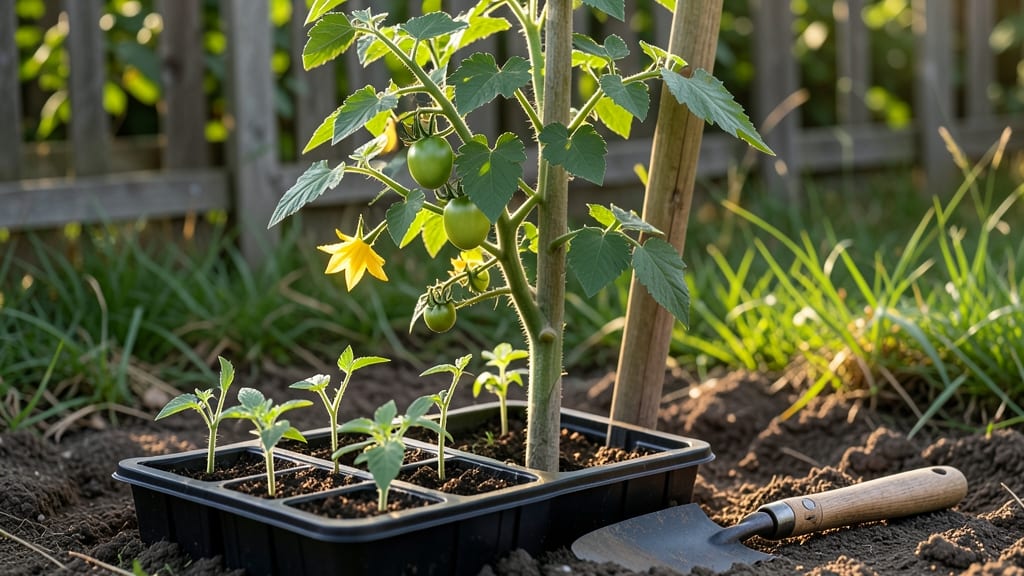
The best time to plant tomatoes in Indiana is between mid-April and early June, when soil temperatures hit at least 60°F and frost risks fade 🍅 — but missing that window can leave you with leggy seedlings or no harvest at all.
Indiana gardeners know timing is everything when planting tomatoes—but with the state’s diverse microclimates, getting it wrong can mean the difference between a bountiful harvest and wilted disappointment. Southern Indiana’s early starts contrast sharply with northern zones’ delayed schedules, and even a week off can throw off your entire season.
This guide breaks down the exact planting deadlines for your USDA zone (5b-6b), including soil temperature thresholds and frost risk charts, so you can avoid common mistakes like transplanting too early or waiting too long.
Whether you’re starting seeds indoors or buying seedlings, we’ll show you how to adjust for unpredictable weather and local pests.
You’ll also discover the best tomato varieties for Indiana’s short season, how to extend your harvest with cold frames, and the one trick that adds two extra weeks of growing time—without risking frost damage.
Indiana tomato planting deadlines by USDA hardiness zone (with frost risk charts)
Indiana’s USDA zones 5b-6b create a 3-week window difference between southern and northern regions for planting tomatoes. Missing these deadlines risks frost damage or stunted growth, but knowing your exact zone helps you time transplants perfectly for maximum yield.
Let’s break down the last frost averages, soil temperature thresholds, and how to use local weather data to fine-tune your schedule.
Southern Indiana (zones 6a-6b) enjoys earlier last frost dates—typically April 1-15—while northern areas (zones 5a-5b) often wait until April 20-May 5. The key is planting after soil warms to 50°F+ and 10-14 days after your average last frost.
Use a soil thermometer to confirm readiness, as cold soil delays germination and weakens seedlings.
Here’s how Indiana’s 6 USDA zones compare for tomato planting:
For zone 6b gardeners in southern Indiana (e.g., Evansville or Louisville), start transplants by April 15 for early varieties like ‘Early Girl’ (55 days to maturity).
Northern zones (e.g., Gary or South Bend) should wait until May 15 to avoid late spring frosts, which can kill young plants overnight.
Check your local Purdue Extension frost maps or use the National Weather Service’s 30-year frost averages to refine your schedule. For example, Indiana’s northern tier (zone 5b) has a 25% chance of frost after May 15, while southern areas drop below 5% risk by April 15.
Use this data to stagger plantings—start with heat-tolerant varieties first, then add cool-season types 2 weeks later.
Pro tip: Direct-sow seeds in zone 6b by April 20 for a 10-day head start over transplants. Seeds germinate best in 70-80°F soil, so use black plastic mulch to warm beds faster. In zone 5b, start seeds indoors 6-8 weeks before your last frost date to avoid transplant shock.
Indiana’s short growing season (average 165 frost-free days) demands efficiency. Plant determinate varieties (bush types) in early windows—they mature faster (55-65 days) and produce fruit before fall frosts. Indeterminate varieties (vining types) need 75+ days and should go in late May for northern zones to maximize harvests.
Monitor weekly frost forecasts from the Midwest Regional Climate Center and adjust if late frosts are predicted. For example, if a 28°F freeze is forecasted in early May for your area, delay planting by 10-14 days or use floating row covers for protection.
Tomatoes are sensitive to cold stress, so even 40°F nights can stunt growth.
Remember: Soil temperature matters more than air temperature. A 50°F soil is safe for transplants, but 60°F+ speeds up root establishment. Use a soil thermometer to test daily—if temps dip below 50°F, delay planting or use mulch to insulate roots.
In zone 5b, aim for 55°F+ soil to reduce transplant shock.
For peak yields, align your planting with Indiana’s ideal harvest window: June to October. Early plantings in zone 6b yield in late June-early July, while late plantings in zone 5b may not ripen until September-October.
Stagger plantings every 2 weeks to extend harvests and avoid blight from overripe fruit.
How to extend Indiana’s tomato growing season: cold frames, row covers, and staggered planting
Indiana’s short growing season can feel like a race against time for tomato lovers, but with the right strategies, you can push your harvests weeks earlier or later. Cold frames and floating row covers create microclimates that shield young plants from late frosts, while staggered planting ensures a continuous supply of ripe tomatoes.
These methods aren’t just for experts—even beginners can extend their season with minimal investment and a little planning.
One of the biggest mistakes gardeners make is rushing to plant too early, only to watch seedlings succumb to cold snaps. Soil temperature is your best indicator: aim for at least 60°F before transplanting.
In southern Indiana, this might mean starting as early as mid-April, while northern zones should wait until late May. The key is balancing eagerness with patience—your tomatoes will thank you with bigger, healthier fruit.
Start with cold frames for 4-6 weeks earlier harvests
Use unheated cold frames (clear plastic or glass) to harden off seedlings 2-3 weeks before your usual last frost date. Place them on south-facing slopes to maximize sunlight.
Deploy row covers for 2-3 week extensions
Floating row covers (like Reemay fabric) protect plants from 32°F frosts while allowing sunlight and water through. Remove covers when flowers appear to prevent tomato blossom end rot.
Stagger plantings every 2 weeks for continuous harvests
Plant 3 batches of seedlings (e.g., May 1, May 15, June 1) to ensure tomatoes ripen over 6-8 weeks. Use early varieties (like 'Stupice') for the first planting.
Use black plastic mulch to warm soil 5-10°F faster
Lay black plastic mulch 2-3 weeks before planting to raise soil temps to 60°F+. Cut holes for transplants and secure edges with landscape staples.
For late-season extensions, try low tunnels over row covers—these can delay fall frosts by 3-4 weeks. Just remember to vent them on warm days to prevent overheating.
And if you’re tempted to plant tomatoes in July or August, choose heat-tolerant varieties like 'Heatmaster' or 'Solar Fire' to avoid blossom drop in Indiana’s summer heat.
My biggest lesson? Monitor weather forecasts and adjust your timeline accordingly. Last year, I lost a batch of early seedlings to a surprise frost, but by using a cold frame the next season, I harvested 3 weeks earlier—and those first tomatoes were worth every extra minute of planning.
With these strategies, you’ll turn Indiana’s short season into a tomato lover’s paradise. 🌱