
Plants
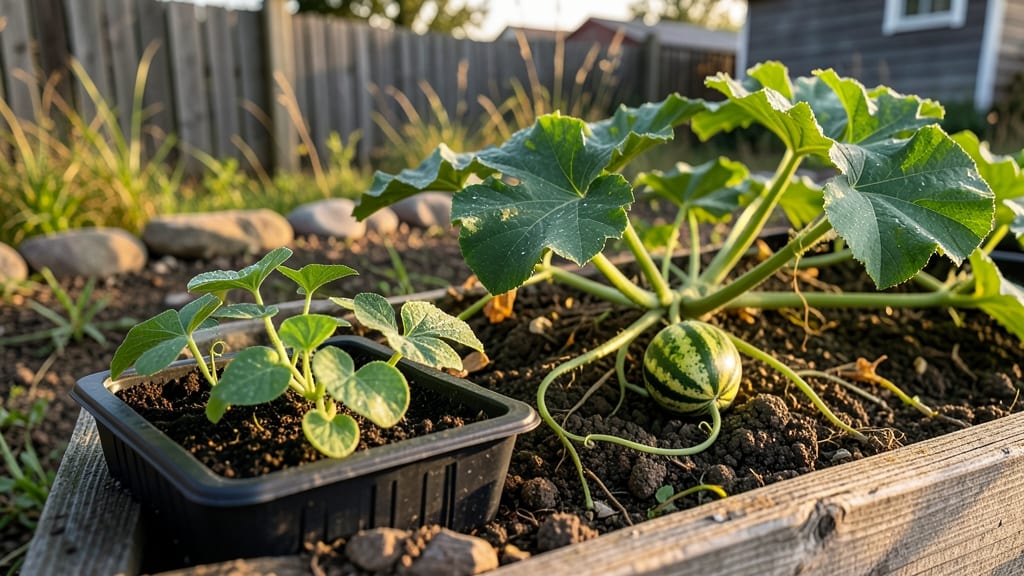
Planting watermelon in Florida at the right time means the difference between a bountiful harvest and a sad, wilted vine 🍉 — and the best window opens in mid-February or late July.
Florida’s scorching summers and unpredictable spring showers can make watermelon gardening a gamble—but timing is everything for a bountiful harvest. Plant too early, and the heat stunts growth; too late, and you miss the sweet spot for ripe fruit before winter sets in.
In USDA zones 9a-11, where frost is rare, the key is soil temperature: wait until the ground hits 70°F before dropping seeds. North Florida gardeners should aim for late February, while South Florida’s longer growing season lets you plant as late as early September.
Below, I’ll break down the exact planting schedule, heat-tolerant varieties that thrive in Florida’s climate, and the 3 critical mistakes that kill harvests before they even start.
Optimal planting months for Florida watermelons: heat-tolerant varieties & climate zones
Florida’s unique climate zones mean your watermelon planting schedule should shift depending on whether you’re in North Florida’s cooler hills or South Florida’s tropical heat. Unlike northern states, Florida rarely faces frost, but soil temperature and humidity spikes dictate the perfect window.
For most regions, aim for mid-February to early May for spring melons and late July to early September for summer harvests.
The key is waiting until soil reaches 70°F (21°C)—cold soil stunts seed germination.
Use a soil thermometer to check; if it’s below 65°F, wait a few more weeks. Central Florida’s USDA Zone 9 gardeners have the broadest window, while North Florida’s Zone 8 areas near Jacksonville may need to push planting to late March to avoid erratic spring rains.
Here’s how Florida’s three main regions differ in planting timing:
For North Florida, prioritize early-maturing varieties like ‘Crimson Sweet’ (70 days) to beat summer’s intense heat. In Central Florida, you can extend your season with a second planting in late July for fall harvests, but avoid planting after August 15—melons struggle with 90°F+ (32°C+) soil temps.
South Florida gardeners enjoy year-round planting, but focus on January–March for spring melons and July–August for fall crops. Here, ‘Sugar Baby’ thrives in humidity, while ‘Jubilee’ resists powdery mildew—a common issue in Florida’s damp summers. Always choose disease-resistant seeds labeled for your zone.
Pro tip: Use black plastic mulch to warm soil faster in spring plantings. Lay it down 2–3 weeks before sowing seeds—this raises soil temps by 5–10°F, speeding up germination.
In South Florida, where heat is less of an issue, focus on shade cloth during peak summer (10–30% shade) to protect young plants from intense UV rays.
If you’re in Zone 8 (North Florida), monitor Jacksonville’s last-frost date (typically mid-February)—though frost is rare, cold snaps can linger. For Central and South Florida, frost isn’t a concern, but hurricane season (June–November) may disrupt harvests. Plant ‘Charleston Gray’ for its thick rind if storms are forecasted.
Direct-sow seeds ½ inch deep, spacing them 6 inches apart in rows 5–6 feet apart to accommodate sprawling vines. Thin seedlings to 2 feet apart once they’re 2 inches tall. In containers, use 5-gallon pots with trellises—watermelons grow well vertically if supported, saving space in small gardens.
Remember: Florida’s sandy soil drains too quickly, so amend with 2–3 inches of compost before planting. Add a mulch layer (straw or pine needles) to retain moisture and suppress weeds.
With the right timing and variety, you’ll enjoy homegrown watermelons from June through November—no matter where you garden in Florida.
Step-by-step planting schedule: from seed to harvest in 90 days
Timing is everything when growing watermelons in Florida, where sandy soil and high humidity demand extra care. To ensure a 90-day harvest, start with soil prep and choose the right planting method—whether direct sowing or transplanting young plants.
Florida’s USDA zones 8–11 mean frost isn’t a concern, but soil temperature and humidity management are critical.
For spring planting, aim for mid-February to early May when soil temps hit 70°F (21°C). Summer planting should start late July to early September to avoid heat stress during germination.
Below, I break down the week-by-week care to maximize your watermelon yield—including mulching tips for Florida’s sandy soil and pest control for humid conditions.
- Test soil pH (6.0–6.8) and amend with compost
- Choose heat-tolerant varieties like ‘Crimson Sweet’ or ‘Sugar Baby’
- Direct sow seeds 1 inch deep in hills, 3–4 seeds per mound
- Thin seedlings to 2 strong plants per mound
- Apply mulch (straw or black plastic) to retain moisture
- Start fertilizing with 10-10-10 (1 tbsp/plant)
- Train vines with trellis or stakes to save space
- Water deeply (1–2 inches/week) in early morning
- Watch for cucumber beetles—use row covers if needed
- Hand-pollinate flowers with a paintbrush if bees are scarce
- Avoid over-fertilizing nitrogen—focus on potassium
- Prune excess vines to direct energy to fruit
- Harvest when tendril turns brown and rind sounds hollow
- Use pruning shears to cut stems (leave 1 inch)
- Store in cool, dry place (50–55°F) for up to 2 weeks
Florida’s sandy soil drains quickly, so mulching is non-negotiable. Use black plastic mulch to warm soil faster in spring or straw mulch to retain moisture in summer. For pest control, rotate crops yearly and remove volunteer plants to prevent disease.
With this schedule, you’ll beat the summer heat and enjoy homegrown watermelons in just 90 days!
Pro tip: If planting in south Florida (zones 10–11), extend the summer season into early October for a late harvest. Just monitor for powdery mildew in high humidity—spray with neem oil preemptively.