
Plants
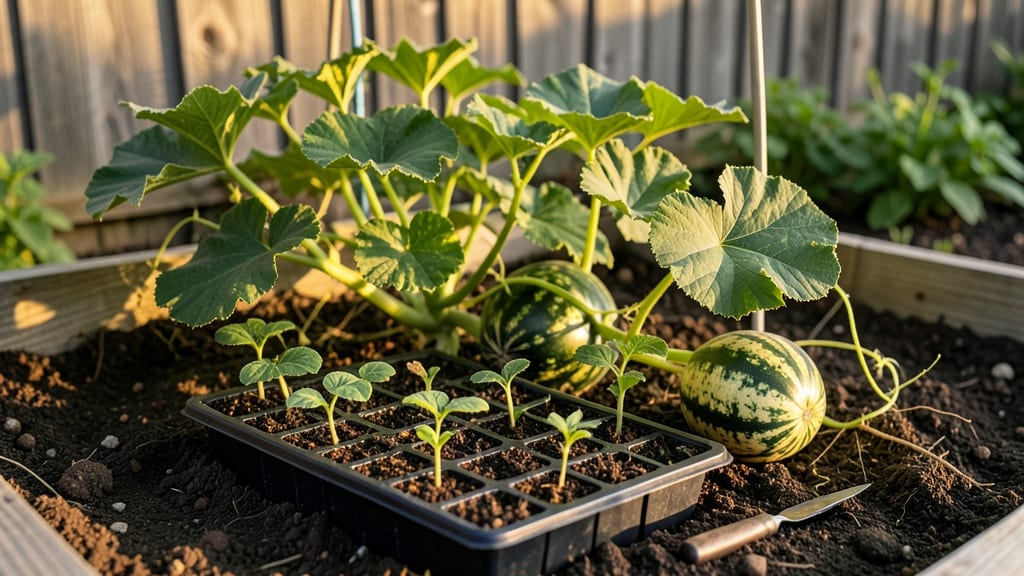
Planting watermelon in Florida means timing your seeds for soil temperatures of at least 70°F, which unlocks the secret to sweet, vine-ripping fruit before the heat peaks.
Florida’s scorching summers and unpredictable weather can turn watermelon gardening into a gamble—but timing your planting right means the difference between tiny, bitter fruit and juicy, 🍉 vine-ripping melons.
Most gardeners in USDA zones 9a-11 miss the two best windows: early spring (mid-February to early April) and late summer (late June to early July). Plant too early, and the vines sprawl without setting fruit; too late, and the heat zaps germination before the vines even take hold.
Below, I’ll walk you through the exact planting schedule by region, the three mistakes that shrink your harvest, and how to pick varieties that thrive in Florida’s brutal summers—so you end up with melons big enough to share, not just admire.
Florida watermelon planting calendar: best months by region (North vs. Central vs. South)
Florida’s three distinct climate zones—North, Central, and South—create unique challenges for watermelon growers. Unlike northern states, Florida’s frost-free growing season spans nearly year-round, but soil temperatures and humidity still dictate the best planting windows.
Planting too early risks cold soil and slow germination, while late planting can lead to heat stress before harvest.
The key to success? Start seeds when soil reaches 70°F (21°C)—a threshold watermelon seeds won’t germinate below. In Florida, this means spring planting for North Florida and fall planting for South Florida, with Central Florida split between both strategies.
Let’s break down the optimal planting months by region to maximize your juicy, vine-ripping watermelons.
🌱 Pro Tip: Use a soil thermometer to confirm temperatures before planting. Watermelon seeds may take 7-14 days to sprout, and cooler soil delays this process.
| Region | Spring Planting Window | Fall Planting Window | Soil Temp Requirement | Key Considerations |
|---|---|---|---|---|
| North Florida (USDA Zones 8a-9a) | Mid-February to Early April | Late June to Early July | ≥ 70°F (21°C) |
|
| Central Florida (USDA Zones 9a-9b) | Late February to Mid-April | Early July to Mid-July | ≥ 70°F (21°C) |
|
| South Florida (USDA Zones 10a-11) | January to Early March | August to Early September | ≥ 70°F (21°C) |
|
In North Florida, where frost can still occur in winter, focus on spring planting (February-April) and fall planting (June-July). The earlier spring window gives melons time to mature before summer’s intense heat sets in.
For Central Florida, you’ve got flexibility—plant in late winter for spring harvests or early summer for fall crops.
For South Florida, the rules change entirely. With no frost risk, you can plant year-round, but summer heat (above 90°F/32°C) can stress plants.
Aim for January-March (spring) or August-September (fall) to avoid peak temperatures. Trellising is a game-changer here, saving space and reducing heat exposure for vines.
💡 Expert Tip: If you’re in South Florida and want a continuous harvest, stagger plantings every 2-3 weeks between January and September. This ensures a steady supply of ripe, sweet watermelons without overwhelming your garden at once.
Regardless of your region, soil preparation is non-negotiable. Watermelons thrive in well-draining soil with a pH of 6.0-6.8. Amend your soil with compost or
3 Critical mistakes Florida gardeners make (and how to avoid them)
When growing watermelons in Florida, even experienced gardeners fall into common traps that shrink fruit size and reduce yields. The biggest mistake? planting at the wrong time—either too early when soil is still cool or too late when summer’s brutal heat sets in.
I’ve seen tiny, seedy melons from plants struggling through Florida’s 90°F+ temperatures before they’re ready.
Another frequent error is skipping soil preparation. Florida’s sandy soils drain too fast, starving watermelon roots of the moisture they need. Without proper organic matter and mulching, your vines will wilt before fruit even forms.
Even worse, some gardeners ignore trellising needs, letting vines sprawl uncontrollably and competing with weeds for nutrients.
⚠️ callout warning ⚠️
If you plant watermelon seeds before soil reaches 70°F (21°C), germination slows dramatically. In North Florida, this means waiting until mid-March—not February. Cold soil causes rot and poor root development, leading to stunted vines. Use a soil thermometer to check depth (2-4 inches).
🌱 Pro Tip: Cover seeds with black plastic mulch to warm soil faster.
Let’s tackle the first mistake: planting too early. Many Florida gardeners rush to sow seeds in February, thinking they’re beating the heat. But unless you’re in South Florida’s Zone 10B+, your seeds will rot in cool, damp soil.
I’ve lost entire plantings this way—only to watch neighbors in Miami-Dade harvest perfect melons weeks earlier. The fix? Wait for soil to warm naturally or use black plastic mulch to accelerate heating.
Second, poor soil prep sabotages growth. Watermelons need rich, well-draining soil with a pH between 6.0-6.8. Florida’s native sands lack nutrients, so amend with compost and a balanced fertilizer (10-10-10) before planting.
I once grew watermelons in unamended soil—my vines produced only 3 small fruits versus 12+ melons in amended beds. Mulch heavily with straw to retain moisture and suppress weeds.
Finally, ignoring trellising leads to wasted space and poor fruit quality. Watermelon vines can sprawl 15-20 feet, shading out neighboring plants. Use trellises or cages to train vines vertically, especially in small gardens.
This also improves airflow, reducing fungal diseases like powdery mildew. I’ve seen double the yield in trellised plants compared to sprawling vines.
To avoid these mistakes, time your planting (spring: March-April; fall: July-August), prep soil with compost, and trellis vines early. These three fixes will give you larger, sweeter melons—and fewer bitter surprises. 🍉