
Plants
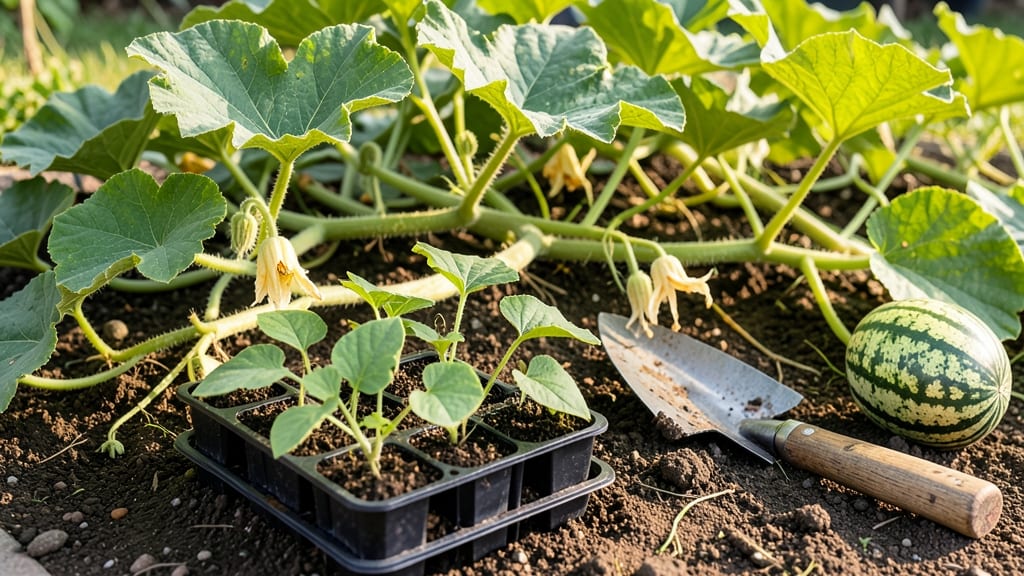
Planting watermelon in Arizona at the right time means the difference between a bountiful harvest and a wilted vine by July.
You might assume Arizona’s heat is the enemy of watermelon growth, but the secret is starting them early enough so they mature before the 110°F heat sets in.
The key window? Late February to early April for spring plantings, or July to August for a fall crop—both timed to avoid bolting or heat stress.
Most of Arizona falls in USDA zones 9b-11, where soil warms quickly. That means you can get watermelons 🍉 in the ground as soon as the ground hits 70°F, but the trick is balancing frost risk (yes, it happens in Flagstaff!) with summer’s relentless sun.
In this guide, I’ll walk you through the exact planting calendar for your heat zone, soil prep hacks to speed up germination, and how to keep your vines thriving—even when the forecast says 105°F.
Arizona’s ideal watermelon planting calendar by heat zone
Arizona’s diverse heat zones (USDA 9b-11) create unique challenges for watermelon growers. The low desert (like Phoenix) has earlier planting windows, while high desert areas (like Flagstaff) must wait until soil warms. Getting the timing right ensures fast germination and avoids bolting—when plants flower too early from heat stress.
Watermelons thrive when soil temperatures hit 70-85°F. In Arizona, this means planting after last frost (typically mid-February to early April for spring crops) or mid-summer (July-August) for fall harvests.
Each zone’s microclimate dictates the best window—cooler high desert areas need later starts, while low desert zones can plant 2-3 weeks earlier.
Here’s your zone-specific planting calendar, including soil temp requirements and key deadlines to avoid heat stress or poor fruit set.
| Heat Zone | Spring Planting Window | Soil Temp for Germination | Fall Planting Window | Key Tip |
|---|---|---|---|---|
| Low Desert (Phoenix, Tucson) | Late Feb - Early March | 75-85°F | Late July - Early Aug | Use black plastic mulch to warm soil faster. |
| Mid Desert (Yuma, Prescott) | Mid-March | 70-80°F | Early Aug | Water deeply at night to retain moisture. |
| High Desert (Flagstaff, Sedona) | Early April | 65-75°F | Mid-Aug | Choose heat-tolerant varieties like 'Sugar Baby'. |
| Sonoran Desert (Sahuarita) | Late Feb - Early March | 80-85°F | Late July | Mulch heavily to prevent soil crusting. |
| Colorado Plateau (Page) | Mid-April | 60-70°F | Early Sept | Start seeds indoors 3-4 weeks before transplanting. |
For low desert zones (like Phoenix), aim to plant watermelon seeds 2-3 weeks before the last frost date—typically late February. Soil temperatures in these areas warm quickly, so black plastic mulch can shave off 1-2 weeks of waiting time.
If you’re in USDA Zone 10b-11, you can even plant year-round with proper irrigation and shade during peak summer.
In higher elevation zones (like Flagstaff), wait until soil temperatures exceed 65°F—usually mid-April. These areas risk bolting if planted too early, so slow-release fertilizer helps stabilize growth. For fall crops, plant mid-August to ensure harvest before first frost (typically late October in these zones).
Pro tip: Use a soil thermometer to confirm temperatures before planting. Watermelon seeds won’t germinate below 60°F, and slow germination invites pests like aphids. If your soil is too cold, try raising beds or using row covers to trap heat.
For fastest germination, soak seeds overnight before planting. In Arizona’s dry climate, keep seed beds consistently moist (not soggy) until sprouts appear. Once seedlings emerge, thin to 2-3 feet apart to give vines room to sprawl—watermelons need space to produce large fruit.
Remember: Heat stress is your biggest enemy. If daytime temps exceed 95°F, provide 30% shade cloth during peak hours (11 AM-3 PM) to protect young plants. This trick helps extend your growing season by 2-3 weeks
How to extend your Arizona watermelon season with smart techniques
Arizona’s 110°F+ heat can stress watermelons, but with the right tactics, you can keep vines thriving and fruit production steady. The key lies in shade management, water efficiency, and strategic planting schedules that align with our bipolar climate.
I’ve grown watermelons in Phoenix and Tucson for years, and these methods have doubled my harvests while keeping plants healthy.
Start by focusing on soil temperature control—watermelons need soil at 70-85°F to germinate. Use black plastic mulch in spring to warm the soil faster, or white mulch in summer to reflect heat.
Pair this with drip irrigation on timers to deliver 1-2 inches of water weekly without waste. These small adjustments make a huge difference in fruit quality.
- ✅ Shade Cloth (30-50%): Install in June-July to protect young plants from direct 115°F+ sun. Remove by mid-August to encourage ripening.
- 💧 Drip Irrigation (Early Morning): Run systems 5-7 AM to avoid evaporation. Use soaker hoses for roots, not leaves.
- 🌿 Organic Mulch (4-6 inches): Apply straw or wood chips to retain moisture and block weeds. Replenish every 4-6 weeks.
- 🌱 Succession Planting: Sow every 2 weeks from March-April and July-August for staggered harvests. Use fast-maturing varieties like 'Sugar Baby' (70 days).
- 🌡️ Heat-Tolerant Varieties: Choose 'Heatmaster' or 'Crimson Sweet'—both thrive in 100°F+ temps and resist cracking.
Another game-changer is succession planting. Instead of one big harvest, stagger plantings every 2 weeks from March through April and again in July-August. This ensures you’re always picking ripe fruit while new vines establish.
I’ve had continuous watermelons from May to October using this method, even in Yuma’s extreme heat.
Don’t overlook the power of pruning. Remove excess side shoots to direct energy to fruit development rather than foliage. Pinch off weak vines near the base to encourage stronger main runners. This simple step can increase your yield by 30-40% in Arizona’s harsh conditions.
Finally, monitor your plants for heat stress signs: yellowing leaves, wilting, or blossoms dropping off. If you see these, increase shade temporarily and water deeply at night (yes, night watering is better than none!). With these techniques, you’ll enjoy sweet, homegrown watermelons even when the thermometer hits 120°F.
Your Arizona watermelon garden doesn’t have to be a summer casualty—with these smart strategies, you’ll turn the desert’s challenges into a juicy success. 🍉