
Planting
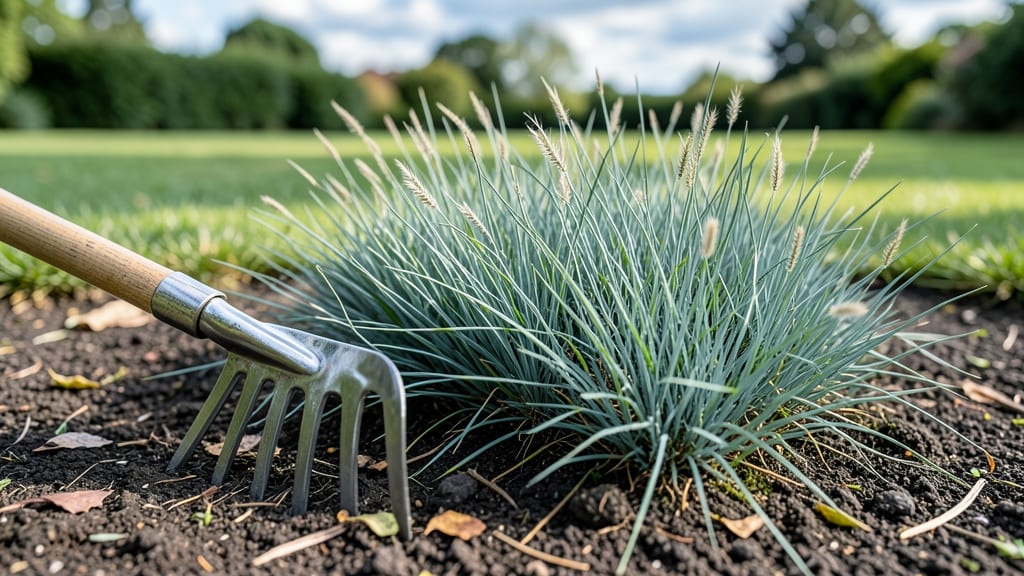
Planting grass seed in Ohio at the right time means the difference between a lush lawn and a patchy disappointment.
Ohio’s unpredictable weather can make or break your lawn—planting grass seed at the wrong time means slow germination, patchy growth, or even wasted seed. But timing it right guarantees a fast, resilient lawn that thrives year-round.
In Ohio’s 6a-6b zones, the ideal windows are late August to mid-September for fall or early April to mid-May for spring. These periods let the grass establish strong roots before extreme heat or cold sets in.
Below, I’ll break down the best planting strategies for your region, soil prep tips, and how to adjust for Ohio’s microclimates—so you can get that perfect lawn without the guesswork.
Ohio’s best grass seed planting windows by region (spring vs fall)
Ohio’s diverse climate—from USDA Zone 6a in the north to Zone 6b in the south—means your planting window depends heavily on where you live. In Northern Ohio (e.g., Cleveland, Toledo), colder soils delay spring planting, while Southern Ohio (e.g., Cincinnati, Columbus) enjoys slightly warmer conditions.
The key? Plant when soil temps hit 50–65°F and frost risk is low. Let’s break it down by season and region to maximize your germination success rate.
Fall planting (late August to mid-September) is my top recommendation for Ohio because cooler temps reduce water stress and weeds. Grass seeds like tall fescue and Kentucky bluegrass thrive when established before winter, giving roots a head start.
In Southern Ohio, you can push planting to early October, but Northern Ohio gardeners should aim for mid-September to avoid early frosts.
Spring planting (early April to mid-May) works too, but timing is trickier—wait until after the last frost date (around April 15) and when soil warms to 55°F.
Soil temperature is non-negotiable for germination. Use a soil thermometer to check depths of 2–4 inches. In Northern Ohio, soil may linger below 50°F until late April, while Southern Ohio often hits ideal temps by early April. Pro tip: If spring planting feels risky, fall is your safest bet—studies show 70% higher germination rates when seeds establish before winter.
| Region | Best Planting Window | Soil Temp Threshold | Frost Risk | Germination Success Rate |
|---|---|---|---|---|
| Northern Ohio | Fall: Late Aug–Mid-Sept Spring: Late April–Early May |
50–65°F (soil) | High frost risk after Oct 15 | 65–75% (fall) / 55–65% (spring) |
| Southern Ohio | Fall: Early Sept–Early Oct Spring: Early April–Mid-May |
55–65°F (soil) | Moderate frost risk after Oct 20 | 70–80% (fall) / 60–70% (spring) |
| Urban Heat Islands (Cleveland/Cincinnati) | Fall: Mid-Aug–Late Sept Spring: Early April–Early May |
50–60°F (soil cools faster) | Variable (microclimates matter) | 60–70% (fall) / 50–60% (spring) |
For spring planting, Northern Ohio gardeners should hold off until late April to avoid late frosts that can kill tender seedlings. In Southern Ohio, early April is safer, but monitor forecasts—unpredictable March cold snaps can derail progress.
My rule of thumb? Wait until you can see consistent 60°F days and nights above 45°F. If you’re unsure, err on the side of fall planting—it’s less stressful for both you and the grass.
Watering is critical post-planting. For fall seeds, aim for 1 inch of water weekly until dormancy (late November). In spring, keep soil moist but not soggy—daily light watering is better than deep, infrequent soaks.
A sprinkler with a rain gauge helps track moisture. Pro move: Water in the early morning to reduce fungal diseases like brown patch, which thrives in damp evening conditions.
Don’t overlook seed variety for your region. Tall fescue and fine fescue are my top picks for Northern Ohio due to their cold tolerance, while Kentucky bluegrass and perennial ryegrass mix well in Southern Ohio.
For shady lawns (common in urban areas), consider fine fescue blends—they germinate slower but handle low light better. Always check the seed bag for
How Ohio’s microclimates affect grass seed germination (and how to adapt)
Ohio’s diverse geography creates microclimates that dramatically impact grass seed germination. Urban areas like Cincinnati and Columbus experience heat islands 5-10°F warmer than rural zones, while lake-effect regions near Cleveland get extra moisture. These variations mean your seed timing and grass variety choices must adapt—or risk poor establishment.
For example, cool-season grasses like tall fescue thrive in Ohio’s USDA Zone 6a-6b, but they need soil temps between 50-65°F to germinate. In urban heat islands, this window shifts earlier by 2-3 weeks compared to cooler rural areas.
Meanwhile, warm-season grasses like Bermuda or Zoysia demand consistent 70°F+ soil, making them risky outside Southern Ohio’s microclimates.
🌱 Microclimate-Specific Grass Seed Adaptations
- Urban Heat Islands (Cincinnati, Columbus): Plant cool-season seed 4 weeks earlier (early April) due to warmer soil. Use shade-tolerant varieties like fine fescue for south-facing lawns.
- Lake-Effect Zones (Cleveland, Toledo): Extend fall planting to mid-October—extra moisture delays frost. Choose drought-resistant Kentucky bluegrass blends for well-drained areas.
- Rural Areas (Appalachian foothills): Stick to late April spring planting; soil stays cold longer. Opt for hardy ryegrass mixes that germinate at 45°F+ soil temps.
- Watering Adjustments:
- Urban: Water daily in AM (10 AM) to combat evaporation.
- Lake-effect: Reduce to every 3 days—extra humidity prevents overwatering.
- Rural: Use deep soaker hoses to reach dry subsoil.
- Shade Solutions: In 50%+ shade (common near buildings), mix fine fescue (30%) with creeping red fescue (70%) for low-light tolerance.
Your grass seed choice should mirror your microclimate’s stressors. For instance, Cincinnati’s urban heat demands deep-rooted tall fescue to handle compacted soil, while Toledo’s lake breezes favor turf-type perennial ryegrass for quick establishment.
Always test soil pH (ideal: 6.0-7.0)—urban soils often test alkaline due to limestone bedrock.
Pro tip: Use a soil thermometer to confirm germination-ready temps. In Northern Ohio, wait until soil hits 55°F (usually mid-May), while Southern Ohio can start 3 weeks earlier. For shady lawns, pre-soak seed for 12 hours to kickstart moisture-dependent germination.
Remember, Ohio’s microclimates aren’t just about temperature—they’re about humidity, wind patterns, and urban pollution too. If your lawn feels stressed (yellowing, slow growth), it might be time to reassess your grass variety or adjust your watering schedule based on your local microclimate zone.
By tailoring your approach—whether it’s choosing shade-tolerant seed, adjusting watering, or planting at the right time—you’ll turn Ohio’s microclimate challenges into a lush lawn advantage. 🌱