
Plants
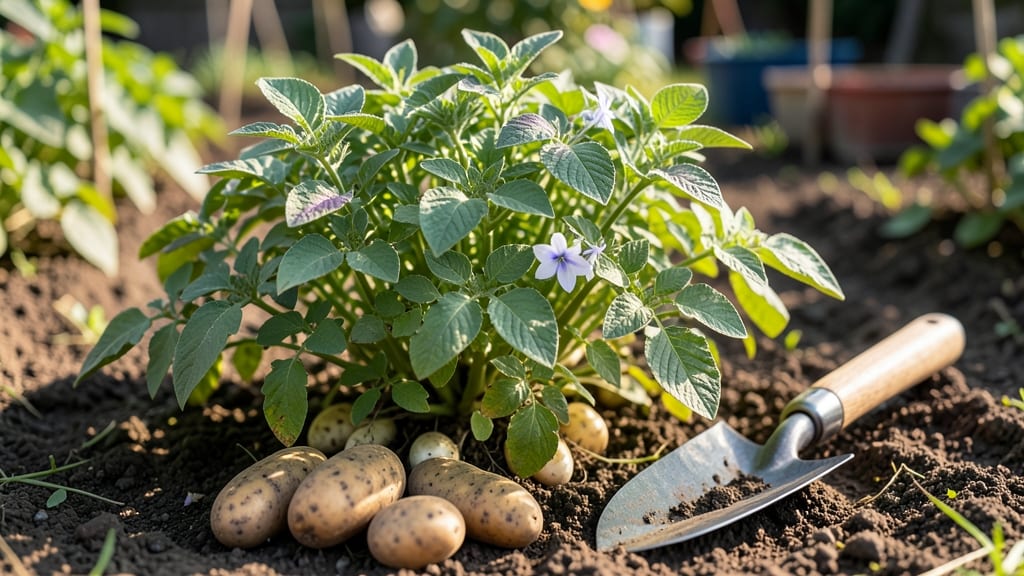
Planting potatoes in Pennsylvania at the right time means the difference between a bountiful harvest and a wasted season—and the clock starts ticking as soon as the soil thaws.
Timing is everything when growing potatoes in Pennsylvania—plant too early, and frost will destroy your crop; too late, and you’ll miss peak harvest season. But with Pennsylvania’s diverse microclimates, the "right time" varies dramatically from the Poconos to Pittsburgh.
In USDA Zones 5-7, where 🥔 thrive, the ideal window opens as early as late February under frost protection or March-April once the ground is workable. But northern regions like Erie need to wait until mid-April, while southern areas can start sooner.
Below, I’ll break down the exact deadlines by region, soil prep secrets, and how to beat late frosts—so you can plant with confidence and dig up potatoes at their peak.
Pennsylvania potato planting deadlines by microclimate Zone
Timing is everything when growing potatoes in Pennsylvania—plant too early, and frost will destroy your crop; too late, and you’ll miss peak harvest season. Pennsylvania’s diverse microclimates mean the ideal planting window shifts dramatically from the Poconos to Pittsburgh.
Understanding your USDA zone and last frost date is key to maximizing your potato yield.
Potatoes thrive in well-drained soil with temperatures between 45°F and 85°F. In Pennsylvania, soil warms gradually, so planting too early can lead to frost damage, while waiting too long risks shorter growing seasons.
Each region has unique frost-free periods, so let’s break down the planting deadlines for Pennsylvania’s five key microclimates.
In the Southwest region (like Pittsburgh), where the USDA zone 6b offers a longer growing season, you can start planting as early as mid-March. The last frost date averages April 15, so aim to have your seed potatoes in the ground by then.
This region benefits from warmer soil faster, reducing frost risks.
How Pennsylvania’s microclimates affect potato harvest timing
Pennsylvania’s dramatic climate shifts—from the chilly Poconos (Zone 5a) to the milder Pittsburgh region (Zone 6b)—mean your potato planting window should adjust by 2-4 weeks.
In colder zones like the Poconos, frost lingers until May 15, while Pittsburgh gardeners can plant as early as March 15 without risk. These differences directly impact your harvest timing, with early varieties like ‘Yukon Gold’ maturing in 70-80 days versus late varieties like ‘Kennebec’ needing 90 days.
Urban heat islands in cities like Philadelphia also create warmer microclimates where you can plant 2 weeks earlier than rural areas just 20 miles away. Meanwhile, high-elevation spots in the Allegheny Mountains may need a 4-week delay to avoid late frosts.
Understanding these variations ensures your potatoes reach peak harvest before the first frost arrives in October.
| Region | USDA Zone | Planting Window | Harvest Window | Key Variety |
|---|---|---|---|---|
| Pittsburgh (Urban Heat) | 6b | March 15–April 15 | July 1–August 15 | ‘Yukon Gold’ |
| Central PA (State College) | 6a | March 22–April 5 | July 10–August 10 | ‘Red LaSoda’ |
| Poconos (High Elevation) | 5a | April 1–April 15 | July 20–August 20 | ‘Kennebec’ |
| Philadelphia (Urban) | 7a | March 1–March 31 | June 20–July 20 | ‘Adirondack Blue’ |
Early varieties like ‘Red Norland’ thrive in Pennsylvania’s shorter growing seasons, maturing in just 60-70 days—perfect for the Poconos where summers are brief. In contrast, ‘Russet Burbank’, a late variety needing 90 days, works best in Zone 6b areas like Pittsburgh.
My rule of thumb? Plant early varieties 2 weeks before the last frost date in cold zones, while late varieties can wait until 2 weeks after in warmer areas.
Don’t forget that urban gardens often experience 5-10°F warmer temperatures than rural areas, accelerating growth. If you’re in a city like Allentown, you might even squeeze in a second planting of fast-maturing varieties like ‘Goldrush’ in early May for a late-summer harvest.
Just monitor soil temperatures—potatoes need 45°F+ to sprout consistently.
For rural cold pockets, like Erie or Scranton, extend your season with black plastic mulch or low tunnels. These techniques can push your planting window 1-2 weeks earlier by warming the soil faster.
Always check Penn State Extension’s frost maps for localized adjustments—your neighbor’s harvest timing might differ by 3 weeks depending on elevation and wind exposure.
Timing your harvest is just as critical. In Zone 5a, aim to finish harvesting by August 20 to avoid tuber rot from early rains. Meanwhile, Zone 7a gardeners can enjoy potatoes until September 15.
Pro tip: Dig a few test tubers when the flowers fade—this signals peak starch development and ensures you harvest at the perfect time.