
Planting
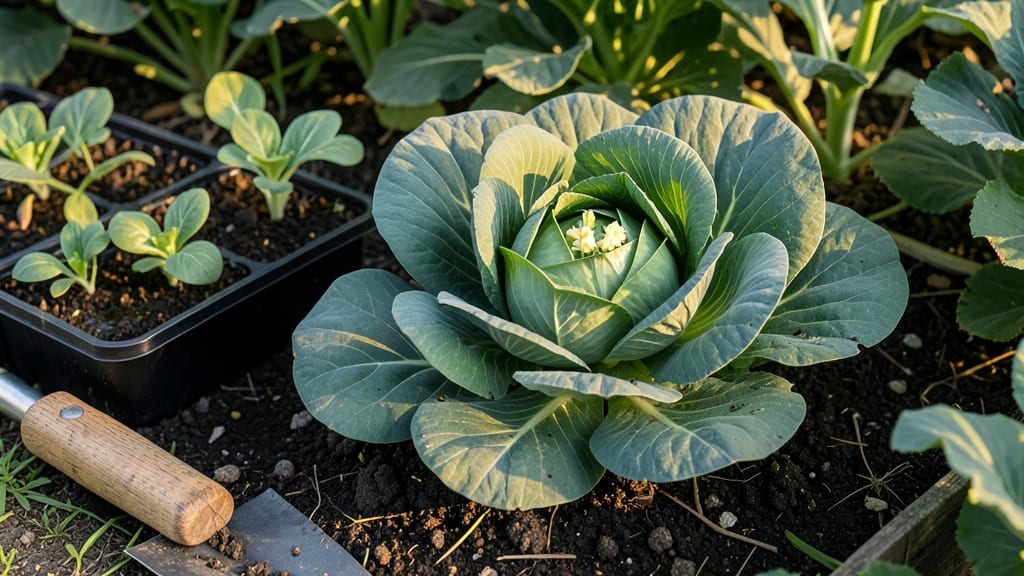
Planting a garden in North Dakota means timing your seeds to the 120-150 frost-free days between May 10 and October 5, or risk losing your hard work to late freezes.
North Dakota’s short growing season demands precision—plant too early and risk frost damage, too late and miss peak harvests. Timing your garden correctly means the difference between a thriving plot and wasted seeds.
Cool-season crops like spinach and peas can start as early as mid-April, while warm-season favorites like tomatoes and peppers need to wait until late May or early June after the last frost.
Below, I’ll break down the exact deadlines for each plant type, how to adjust for microclimates, and the one trick that can add weeks to your harvest window using simple row covers.
North Dakota planting deadlines by last frost date (zone 3-4)
North Dakota’s short growing season means timing your plantings is everything. The average last frost date ranges from May 10-20 across Bismarck, Fargo, and Minot, but late frosts can linger until May 30.
Warm-season crops like tomatoes and peppers need soil temperatures above 50°F to thrive, while cool-season crops like spinach and peas can handle light frosts. Historical USDA data shows 120-150 frost-free days annually, so planning ahead is critical.
Cool-season crops like kale, lettuce, and radishes can be sown as early as late March under row covers, giving them a 6-8 week head start before the last frost.
Meanwhile, warm-season staples such as beans, cucumbers, and squash should wait until after May 20, when soil temperatures consistently stay above 55°F. Even then, use black plastic mulch to warm the soil faster in cooler microclimates.
Here’s a quick reference for critical planting windows based on North Dakota’s Zone 3-4 climate, tailored for Bismarck, Fargo, and Minot:
For Bismarck and Minot, where wind chill can delay soil warming, consider using black plastic mulch or cold frames to create microclimates.
In Fargo’s urban areas, the heat-island effect might allow slightly earlier planting for heat-loving crops like peppers, but always verify with a soil thermometer—50°F is the minimum for safe germination.
One of my biggest mistakes was planting tomato seedlings too early in mid-April—they bolted from the cold snap in late May. Now, I wait until after Memorial Day and use row covers for the first 2 weeks to shield them from late frosts.
For peppers and eggplants, which need even warmer soil (60°F+), I start them indoors in late March and transplant after June 1.
Don’t forget about succession planting—it’s your secret weapon for a longer harvest in North Dakota’s short season. For example, sow bush beans every 2 weeks from June 1 to July 15 to stagger your harvest through August.
Similarly, lettuce and radishes can be sown every 10 days from April to July for continuous greens.
If you’re unsure about your local frost dates, check the ND State Climate Office or use Almanac’s Frost Calculator. For Bismarck, the average last frost is May 15, while Fargo and Minot tend
How to adjust planting times for North Dakota’s microclimates
North Dakota’s diverse landscapes create unique microclimates that can shift your planting schedule by weeks. Urban areas like Fargo experience the heat-island effect, while rural spots near the Missouri River face harsher winds.
Even a one-mile elevation change can mean earlier soil thawing. Understanding these variations helps you maximize your growing season—whether you’re gardening in a city planter or a country field.
For city gardeners, paved surfaces and buildings trap heat, allowing you to plant warm-season crops like tomatoes 7–10 days earlier than rural areas. Meanwhile, wind-exposed fields in western ND may require row covers or windbreaks to protect tender seedlings.
Elevated regions, like the Turtle Mountains, often thaw sooner, giving you a head start on cool-season crops like spinach or peas.
Microclimate Adjustments for North Dakota
- 🏙️ Urban Areas: Plant warm-season crops (tomatoes, peppers) April 20–May 1—7–10 days earlier than rural zones due to heat-island effect.
- 🌬️ Wind-Exposed Rural: Use row covers or windbreaks to plant cool-season crops (lettuce, kale) by April 1; delay warm-season crops until May 15.
- ⛰️ Elevated Regions: Soil thaws 2–3 weeks earlier—start hardy crops (peas, radishes) by March 20 and warm-season crops by April 25.
- 🌊 River Valleys: Later frost risk—wait until May 10 for tomatoes/peppers; use black plastic mulch to warm soil faster.
- 🌿 Row Covers: Extend spring planting by 3–4 weeks and fall harvests by 2–3 weeks for all crops.
If you’re gardening in Fargo or Grand Forks, monitor local weather stations for last frost dates, which can vary by 5–10 days from official USDA averages.
For example, Bismarck’s heat-island effect often lets you plant cucumbers by May 5, while Minot’s windier climate may push that date to May 15. Always have row covers ready to protect seedlings during unpredictable late frosts.
For rural gardeners, focus on wind protection. Plant corn or sunflowers near trees or fences to break wind, and use straw mulch to insulate soil. In elevated areas, take advantage of earlier thawing by starting cool-season crops indoors in March.
This gives you a 2–3 week head start before rural gardeners can even begin planting.
Don’t forget row covers—your secret weapon for extending seasons. Lightweight floating row covers can push spring planting back by 3–4 weeks and add 2–3 weeks to your fall harvest.
For example, you can plant spinach under covers as early as March 15 in most of ND, then remove them once soil warms. This trick also protects broccoli and cabbage from cabbage moths and fleabeetles.
Pro tip: Combine microclimate adjustments with succession planting. In urban areas, plant bush beans every 2 weeks from May 15–June 15 to ensure a steady harvest. In windy rural spots, stagger lettuce varieties with different maturity dates to spread out your harvest and reduce risk.
With these tweaks, you’ll turn ND’s challenges into longer harvests and fewer wasted seeds.