
Plants
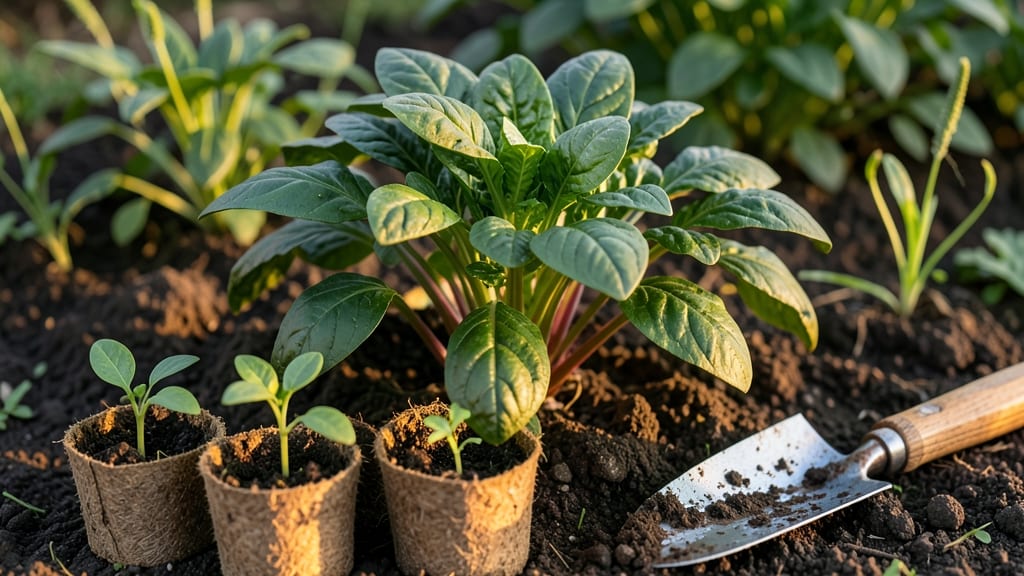
Planting spinach in North Texas requires precise timing—aim for late August through September or February to early March to avoid the brutal summer heat.
North Texas gardeners know timing is everything—plant spinach too early, and the heat will bolt your crop; too late, and you’ll miss the sweet, tender harvests. But mastering the perfect window ensures a thriving 🥬 patch that thrives in the cooler months.
In USDA Zone 8a, spinach loves the mild temperatures of fall and spring, but it wilts under summer’s relentless sun. The key is starting seeds or transplants 4-6 weeks before the first frost, giving your greens time to mature before the cold sets in.
Below, I’ll break down the best months for planting, how to protect your crop from heat stress, and soil prep tips to set your spinach up for success—so you can enjoy fresh, homegrown greens all season long.
Best planting months for spinach in North Texas (with temperature guidelines)
North Texas gardeners face a unique challenge with spinach—our hot summers and unpredictable springs demand precise timing. Spinach thrives in cool temperatures (50-75°F), making fall and early spring the only viable windows.
Miss these, and you’ll either scorch your plants or watch them bolt before harvest. I’ve grown spinach in Dallas, Fort Worth, and Waco for years, and these two planting windows consistently deliver success.
The key to North Texas spinach success lies in avoiding summer heat stress while maximizing cool-season growth. Spinach bolts (goes to seed) when daytime temps hit 75°F or higher, so timing your plantings around our first frost dates (Nov 15) and last frost dates (Feb 15) is critical.
Let’s break down the optimal planting months and what each requires to thrive.
For fall plantings (late August-early October), I recommend starting seeds 4-6 weeks before your area’s first frost. In North Texas, that’s typically mid-September for most regions. Choose bolt-resistant varieties like 'Bloomsdale Long Standing' or 'Tyee'—they handle our warm fall days better than standard types.
Plant seeds ½ inch deep and 1 inch apart, thinning to 4 inches between plants as they grow.
If you’re in Waco’s hotter microclimate, aim for late August sowings to beat the heat. Use shade cloth (30-50%) during September’s lingering heat waves to protect young seedlings. I’ve found that row covers at night also help maintain cooler soil temps—critical when daytime highs flirt with 80°F.
These simple steps can extend your harvest window by 3-4 weeks into November.
Spring plantings (late February-early March) require a slightly different approach. Start seeds indoors 3-4 weeks before transplanting to give them a head start. North Texas’ unpredictable March weather can swing from freezing nights to 80°F days in weeks.
Harden off seedlings gradually and transplant after last frost (Feb 15), using black plastic mulch to warm the soil faster in cooler areas like Dallas’ northern suburbs.
Soil preparation is non-negotiable for spinach success in North Texas. Our heavy clay soil drains poorly and compacts easily, leading to root rot or stunted growth. Before planting, amend your beds with 2-3 inches of compost and mix in aged manure for nitrogen.
Spinach prefers well-draining, fertile soil with a pH of 6.5-7.0. Test your soil’s pH—if it’s too alkaline (common in Texas), add sulfur or peat moss to lower it gradually.
One mistake I see often is overwatering spinach in North Texas’ humid summers. While spinach needs consistent moisture, our clay soil holds water like a sponge, leading to root suffocation.
Water deeply every 2-3 days in spring/fall, but reduce frequency in winter when rains are more reliable. Always water at soil level, not overhead, to prevent fungal diseases like downy mildew—especially problematic in our high-humidity springs.
For frost protection, I’ve had great results
How to extend your spinach harvest in North Texas (succession planting & shade solutions)
North Texas’ spring heat can turn your spinach into bitter, bolted frustration—but with the right strategies, you can stretch your harvest for months. The key lies in succession planting and shade protection, two tactics that transform unpredictable weather into your spinach’s best ally.
Even urban gardeners with balcony containers can use these methods to enjoy fresh greens long after most neighbors give up.
Think of spinach as a cool-season champion that needs a little help when temperatures flirt with 75°F. By planting in staggered batches and using shade cloth, you’ll create a microclimate where spinach thrives even as March turns warm.
For container gardeners, this means choosing the right pots and companion plants to keep roots cool and pests at bay.
Here’s how to maximize your spinach yield using North Texas-specific timing and shade solutions—no green thumb required:
- 1 Plant in 3-week intervals starting February 15 (after last frost) and again in September for fall harvests. This ensures a continuous supply as old plants mature.
- 2 Use 30-50% shade cloth when daytime temps hit 80°F. Secure it 2-3 feet above plants to prevent heat buildup. Remove in cooler evenings for airflow.
- 3 Companion plant with radishes or lettuce. Radishes mature quickly, marking rows for spinach succession, while lettuce shades soil to retain moisture.
- 4 Choose containers with depth (12+ inches) for urban gardens. Use self-watering pots to prevent drought stress, and place them in morning sun with afternoon shade.
- 5 Apply row covers (floating fabric) at night when temps drop below 50°F to protect tender young plants from late-season frosts.
For urban gardeners, container spinach is a game-changer. Opt for 5-gallon buckets with drainage holes and fill them with a mix of compost and potting soil to improve drainage—a must in North Texas’ heavy clay.
Place containers near a north-facing wall or under a patio umbrella to filter harsh afternoon sun. This setup mimics the shade spinach craves while keeping roots cool.
Don’t overlook companion planting as your secret weapon. Pair spinach with radishes (they’re ready in 30 days!) or lettuce to create a living mulch that retains soil moisture.
Avoid planting near tomatoes or peppers, which compete for nutrients and attract similar pests. Instead, tuck spinach between carrots or beets for a mutually beneficial setup.
With these tactics, you’ll enjoy harvests from October through April—or even later if you’re strategic about shade. The key is adapting to North Texas’ quirks: heat spikes, unpredictable springs, and urban space constraints.
Start small, experiment with timing, and soon you’ll have a spinach supply that puts grocery store greens to shame.