
Planting
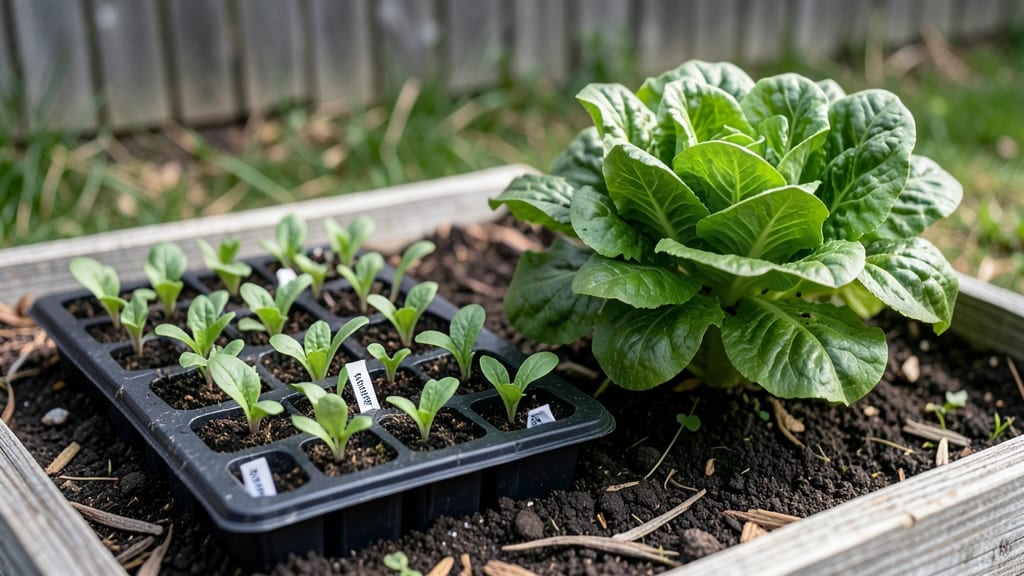
Planting a winter garden in Florida works best when you start between late July and early September—just as summer’s heat begins to ease and before the first cool fronts arrive.
Florida’s mild winters create the perfect opportunity to grow a thriving winter garden—but timing is everything. Plant too early, and heat waves will stress your crops; too late, and you’ll miss the ideal growing window before summer’s relentless sun returns.
This guide covers the month-by-month planting schedule for cool-season crops like lettuce, broccoli, and carrots, plus how to adjust for Florida’s unique microclimates—whether you’re in the Panhandle or the Keys.
You’ll learn how to prep your soil, choose the right varieties, and extend your harvests well into spring with simple tricks like mulching and row covers.
Florida winter garden planting timeline by month: avoid heat stress and maximize yields
Florida’s winter months—from November through March—offer ideal conditions for growing cool-season crops like lettuce, broccoli, and carrots. Unlike northern states, Florida’s Zone 8-11 climate means no frost, but heat waves can still stress young plants.
The key is planting at the right time to avoid heat stress while maximizing yields before summer’s intensity returns.
Your planting schedule depends on your specific Florida region. North Florida (Zone 8) has cooler winters, while South Florida (Zone 10-11) stays warmer year-round. Even within these zones, microclimates—like coastal areas or inland valleys—can shift ideal planting windows by 2-4 weeks.
Always monitor soil and air temperatures to fine-tune your timing.
Here’s your month-by-month guide, including transplanting dates, seed-starting tips, and harvest windows for Florida’s top winter crops. Adjust based on your local weather patterns—especially if you’ve experienced early warm spells.
| Month | Action | Crops to Plant | Notes |
|---|---|---|---|
| November | Direct sow or transplant | Leaf lettuce, spinach, radishes, carrots, broccoli | Soil temps 75°F or below; avoid transplanting after December 15 in South Florida |
| December | Direct sow or transplant | Kale, collards, peas, beets, onions | North Florida: Best month for cool crops. South Florida: Use shade cloth for seedlings |
| January | Succession plant | Radishes, turnips, arugula, green onions | Watch for unexpected warmth; mulch to retain moisture |
| February | Transplant or direct sow | Broccoli, cabbage, Swiss chard, bush beans | South Florida: Start heat-tolerant varieties like Malabar spinach |
| March | Direct sow for late harvests | Lettuce, peas, carrots, cilantro | North Florida: Last chance before summer heat; use row covers |
For North Florida gardeners, focus on planting broccoli and cabbage in November for harvests by February. These crops thrive in cooler temps but bolt quickly if soil temperatures rise above 70°F. Use black plastic mulch to warm soil gradually in early spring if extending the season.
In South Florida (Zone 10-11), winter gardening is all about heat tolerance. Opt for varieties like Malabar spinach, okra, and sweet potatoes, which handle warmer winters better. Start seeds in shaded areas or under 30% shade cloth to prevent heat stress during germination.
One of the biggest mistakes Florida gardeners make is planting too late. By March, even cool-season crops struggle as daytime temps climb. If you miss the ideal window, try succession planting every 2-3 weeks to stagger harvests.
For example, sow radishes every 10 days from November to February for continuous yields.
Extend your winter garden’s life with row covers or cold frames. These tools protect young plants from unexpected warm spells while trapping heat on cooler nights.
In South Florida, a simple floating row cover can lower soil temps by 5-10°F, creating a microclimate for heat-sensitive crops like lettuce and spinach.
Monitor soil moisture closely during Florida’s dry winters. Cool-season crops need consistent watering, but overwatering can lead to root rot in heavy clay soils. Aim for 1 inch of water per week, delivered early in the morning to reduce fungal risks.
Use drip irrigation to target roots directly and minimize evaporation.
Finally, don’t overlook pest control. Slugs, aphids, and whiteflies thrive in Florida’s winter humidity. Handpick pests early or use neem oil sprays as a preventive measure. Companion planting—like pairing carrots with rosemary—can also deter pests naturally while improving flavor.
With this timeline, you’ll avoid heat stress, maximize yields, and enjoy fresh homegrown produce from November through March. Happy gardening! 🌱
Best cool-season vegetables for Florida winter gardens and their unique growing needs
Florida’s winter gardens thrive with cool-season vegetables that handle mild temperatures and humidity better than summer crops. Unlike northern gardens, you won’t face frost, but heat waves and pests like aphids still demand attention.
The key is choosing fast-growing varieties that mature before spring heat arrives—typically by March or April in most regions.
My top picks for Florida winter gardens include leafy greens like spinach, root vegetables such as carrots, and brassicas like broccoli. These crops tolerate Florida’s warm winters (60–75°F) and even perform better with partial shade during occasional heat spikes.
Let’s break down their unique needs, from soil prep to pest control.
📌 PROS-CONS BOX: WHEN TO PLANT A WINTER GARDEN IN FLORIDA
- Early November: Best for broccoli and cabbage (60–70°F soil)
- Mid-December: Ideal for spinach and radishes (cooler temps)
- January: Last chance for carrots and lettuce (avoid heat stress)
- Too early (Oct): Heat waves can bolt greens (e.g., lettuce)
- Too late (Feb): Pests like cabbage worms surge before harvest
- South Florida: Higher humidity increases fungal risks (e.g., powdery mildew)
For leafy greens like spinach, aim for well-draining soil with a pH of 6.0–7.0. Florida’s sandy soils often need compost to retain moisture.
Space seeds 1 inch apart and thin to 4–6 inches once seedlings emerge. Spinach matures in 30–40 days, so plant successive batches every 2 weeks for continuous harvests.
Root vegetables like carrots and radishes thrive in loose, rocky-free soil. Work in sand or perlite to prevent forking. Radishes are fast-growing (25–30 days), making them perfect for succession planting. Use row covers in South Florida to protect from cabbage loopers, which thrive in warm winters.
Brassicas like broccoli and kale need richer soil with aged compost. They’re heavy feeders, so mix in balanced fertilizer (10-10-10) at planting.
Space plants 18–24 inches apart to allow airflow and reduce fungal diseases. Kale is a standout for Florida winters—it sweetens in cold and tolerates light frosts (though Florida rarely sees them).
Pest control is critical in Florida’s humid winters. Aphids and whiteflies target young seedlings, while slugs feast on leafy greens.
I recommend neem oil sprays for soft-bodied pests and diatomaceous earth for slugs. Crop rotation also helps—avoid planting the same family (e.g., brassicas) in the same spot yearly to break pest cycles.
Harvest leafy greens by cutting outer leaves to encourage regrowth, while root crops like carrots should be pulled when tops turn yellow. For broccoli, harvest the main head first, then watch for side shoots to develop.
With the right timing and care, your Florida winter garden can outperform summer crops—just don’t wait too late!