
Plants
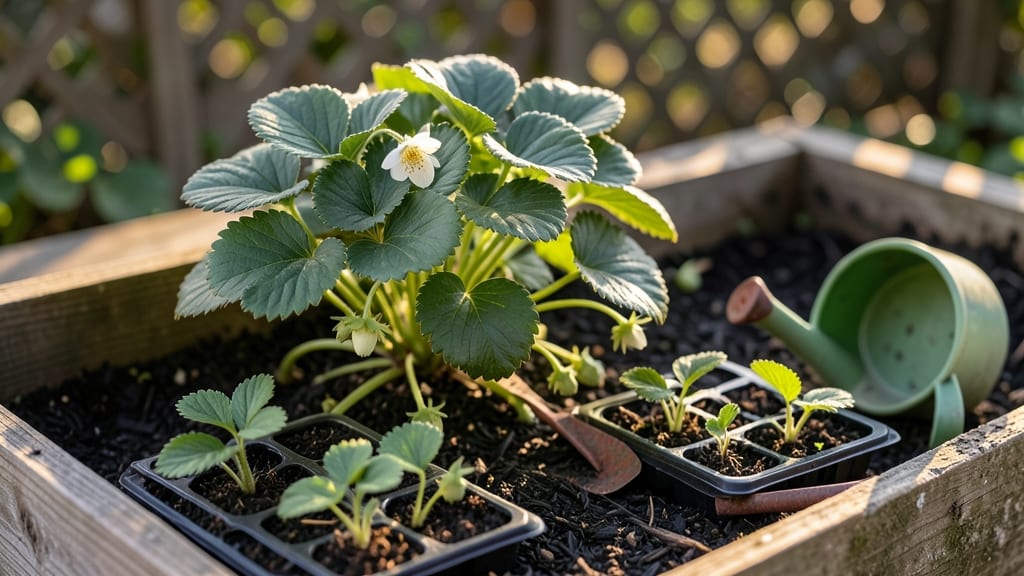
Planting strawberries in North Florida at the right time means the difference between a bountiful harvest and struggling plants 🍓 — aim for late winter to early spring when soil temps warm up.
North Florida’s unique microclimates—from the humid coastal zones to the cooler inland areas—can make or break your strawberry harvest. Plant at the wrong time, and you’ll face heat stress, poor fruiting, or even total crop failure.
In Zone 8a, the ideal window is February through March, when frost risks drop and daytime temperatures rise. Coastal areas can push planting slightly later, while inland spots may need an earlier start to avoid summer heat.
Below, I’ll break down the exact timing, soil prep secrets, and how to protect your plants from Florida’s unpredictable weather—so you can enjoy sweet berries from April through June.
North Florida strawberry planting zones: coastal vs inland timing differences
North Florida’s microclimates create distinct challenges for strawberry growers. Coastal areas like Jacksonville and Daytona Beach experience milder winters and earlier heat waves, while inland regions such as Gainesville and Ocala face cooler temperatures and later frost risks.
These differences mean your planting window could vary by 4-6 weeks depending on location.
For coastal gardeners, the optimal planting time starts as early as late October for fall-bearing varieties, while inland growers should wait until mid-November to early December to avoid winter cold snaps. Spring planting follows similar patterns, with coastal areas benefiting from February plantings and inland zones thriving with March starts.
Here’s how to navigate these differences with precision:
| Factor | Coastal Zones (8a-9a) | Inland Zones (8a) |
|---|---|---|
| Fall Planting Window | Late October - Early November | Mid-November - Early December |
| Spring Planting Window | Late January - February | March - Early April |
| Key Variety Choice | Heat-tolerant: Camarosa, Sweet Charlie | Cold-hardy: Chandler, Seascape |
| Soil Temperature Requirement | 60-65°F (15-18°C) | 55-60°F (13-15°C) |
| Major Risk | Early heat stress | Late frost damage |
| Mulching Tip | Use black plastic mulch to warm soil | Use straw mulch for frost protection |
Coastal gardeners should prioritize heat-tolerant varieties like Camarosa or Sweet Charlie, which handle Florida’s early spring heat better than traditional types. These varieties thrive when planted in late January to February, giving them time to establish roots before temperatures climb above 80°F (27°C).
Inland areas benefit from Chandler or Seascape strawberries, which handle cooler nights better. Plant these in March to avoid late frosts that can occur as late as mid-April in Zone 8a pockets like Gainesville. Always check your local frost-free date—planting too early risks cold damage.
Soil temperature is your best indicator for planting success. Use a soil thermometer to confirm 60-65°F (15-18°C) for coastal zones or 55-60°F (13-15°C) inland. Coastal soils warm faster due to humidity, while inland soils stay cooler longer. Adjust your planting timeline if your soil runs 10°F colder than expected.
For both regions, succession planting extends your harvest. After your first planting yields fruit in April-May, add a second batch 6-8 weeks later to enjoy berries through June. Coastal gardeners can even try a fall planting in September for an early winter harvest before the holidays.
Protect your investment with organic mulch. Coastal growers should use black plastic mulch to absorb heat, while inland gardeners benefit from straw or pine needles to insulate roots. Apply 3-4 inches of mulch after planting to retain moisture and suppress weeds.
Monitor your strawberries for pests like slugs (coastal) or spider mites (inland) during peak growing months. Coastal humidity encourages fungal diseases, so space plants 18 inches apart for airflow. Inland areas may face drought stress—water deeply 2-3 times per week during dry spells.
Step-by-step strawberry planting calendar for Florida’s frost-free regions
North Florida’s warm winters and long growing season mean you can plant strawberries almost year-round—but timing is everything. Without proper soil temperatures and humidity management, your berries may bolt to flower too early or struggle under summer heat.
My month-by-month calendar aligns with Florida’s Zone 8a-9a conditions to maximize sweet, juicy harvests from February through June.
Unlike northern climates, Florida strawberries don’t need cold stratification (chilling period). Instead, focus on soil warmth (60°F+) and even moisture to avoid heat stress. I’ve broken down the best planting windows, including succession planting tips to stretch your harvest season. Let’s dive into the ideal schedule for your microclimate.
- 🌱 Late January – Start soil prep in raised beds or in-ground plots. Test pH (5.5-6.5) and amend with compost. 💡
- 🌱 February 1-15 – Plant everbearing varieties (e.g., 'Seascape') for early harvests. Coastal areas can start sooner; inland wait until soil reaches 60°F. ☀️
- 🌱 March 1-15 – Ideal window for day-neutral varieties (e.g., 'Fort Lonesome'). Apply mulch (straw/pine needles) to retain moisture and suppress weeds. 💧
- 🌱 April 1-30 – Succession plant every 3-4 weeks for continuous harvests. Monitor for spider mites (common in dry heat) and water deeply in mornings. ✂️
- 🍓 May-June – First harvests arrive! Prune old leaves to redirect energy to fruit. Avoid fertilizing—focus on watering and shade cloth during 90°F+ days. 🌿
For coastal Florida (e.g., Jacksonville, Daytona), push planting to January 15-February 1 to avoid summer heat stress. Inland areas (e.g., Gainesville, Ocala) can delay until February 15-March 1 for cooler soils. Always choose Florida-adapted varieties like 'Chandler' or 'Sweet Charlie'—they thrive in humidity and resist fungal diseases.
Pro tip: Use black plastic mulch in April to warm soil faster for late plantings. Remove it by May to prevent overheating. Pair this with drip irrigation to keep foliage dry and reduce gray mold risk.
My succession plantings in April ensure berries ripen through June, when humidity drops and pests decline.
Remember, North Florida’s humidity levels (70-90%) demand vigilance. After planting, water at soil level (not overhead) to prevent fungal spores from splashing onto leaves. A light shade cloth (30%) during peak afternoon sun in May protects delicate fruit from sunscald.
With this schedule, you’ll enjoy homegrown strawberries for months—no grocery store needed!