
Plants
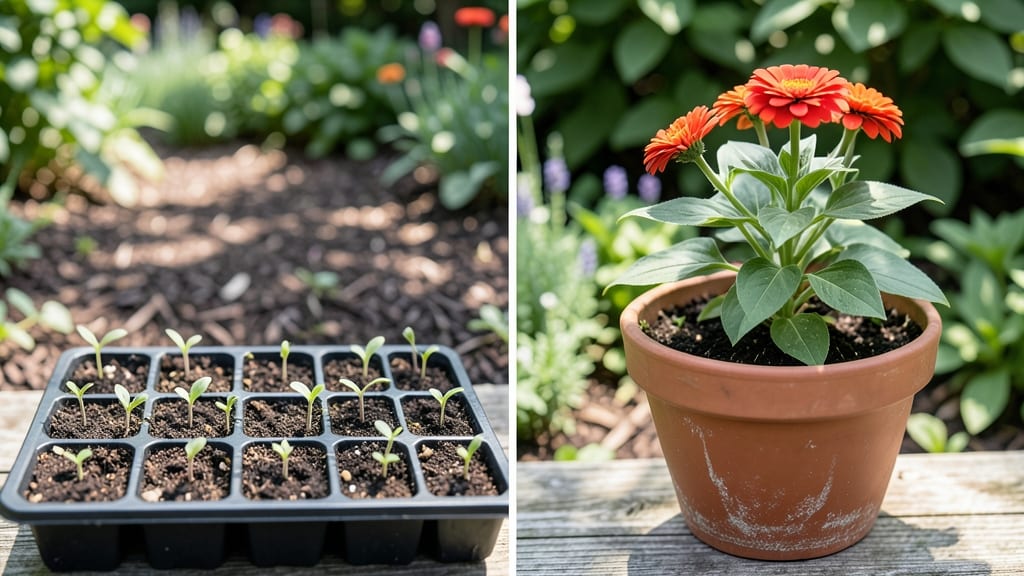
Planting annuals in Connecticut after the last frost—around April 15—sets the stage for vibrant blooms and bountiful harvests 🌸.
Missed that window? Don’t panic—timing your annual flowers and veggies right ensures they thrive even in New England’s unpredictable climate. Whether you’re planting heat-loving marigolds or cold-hardy pansies, getting the timing right makes all the difference.
Connecticut’s USDA Zone 6a means frost can linger longer in inland areas while coastal spots enjoy earlier warm-ups. I’ll break down the exact frost-free dates by region, so you know when to start seeds indoors or set those young plants in the ground.
You’ll also discover how to adjust for microclimates, use soil thermometers, and pick the best annuals for your spring planting window—plus backup strategies if Mother Nature throws you a curveball.
Connecticut’s frost-free dates by Zone: exact planting windows for annuals
Connecticut’s USDA Hardiness Zones 5b and 6a create a unique challenge for gardeners—late spring frosts can still strike after the calendar says "spring."
Knowing your last frost date (typically April 15 in most areas) and first frost date (around October 15) is the key to scheduling warm-season annuals like tomatoes and cool-season varieties like spinach for success. Miss the window?
No problem—I’ll show you how to adjust for late frosts and extend your growing season.
Your planting timeline depends on whether you’re growing heat-loving annuals (tomatoes, marigolds, petunias) or cold-tolerant varieties (pansies, lettuce, spinach). Warm-season plants need soil temperatures above 60°F and consistent warmth, while cool-season crops can handle chilly nights as long as they’re protected.
Let’s break down the exact dates for each zone and variety to maximize your garden’s potential.
🌱 Pro Tip: Use frost cloth or row covers to push planting dates 2-3 weeks earlier for cool-season crops, or extend the season by 4-6 weeks for warm-season plants.
| Plant Type | Zone 5b (Northeast CT) | Zone 6a (Central/South CT) | Notes |
|---|---|---|---|
| Cool-Season Annuals (Pansies, Lettuce, Spinach) | March 15 - April 15 | March 20 - April 20 | Plant 4-6 weeks before last frost; use row covers for early starts. |
| Warm-Season Annuals (Tomatoes, Marigolds, Petunias) | May 1 - May 15 | April 25 - May 10 | Wait until soil is 60°F+; use black plastic mulch to warm soil faster. |
| Fall-Blooming Annuals (Cosmos, Zinnias) | August 1 - August 15 | July 25 - August 10 | Plant 8-10 weeks before first frost; choose fast-growing varieties. |
| Backup Strategy for Late Frosts | Use greenhouses or cold frames | Start indoor seedlings 4-6 weeks early | Monitor local frost alerts via CT Agricultural Extension. |
For Zone 5b (northeast CT, including Litchfield and Hartford counties), the last frost date is often 2-3 days later than Zone 6a. If you’re in coastal areas (like New London), you might see earlier frost-free dates—check with your local Cooperative Extension office for precise data.
I always plant a few extra seeds indoors in case of delays, especially for tomatoes and peppers, which take longer to mature.
If you’re growing cool-season crops like kale or radishes, you can even plant a second crop in late summer (around August 15) for a fall harvest. These plants thrive in cooler weather and can handle light frosts down to 25°F.
For warm-season plants, consider succession planting every 2 weeks after your initial date to ensure a steady supply of basil, cucumbers, or zinnias all season.
Don’t forget to harden off seedlings before transplanting—gradually expose them to outdoor conditions over 7-10 days to avoid shock. I use shade cloth on hot days to protect young plants while they adjust.
For container gardening, move pots to warmer microclimates (like near a south-facing wall) to extend the season by 1-2 weeks.
For those unpredictable late frosts (which happen more often than we’d like!), keep frost cloth on hand.
I’ve used it to save tomato seedlings as late as May 10 in Zone 5b. If frost is forecasted, water plants deeply the night before—moist soil insulates roots and helps plants survive 28°F temperatures.
For extreme protection, consider row covers with hoops or even a small greenhouse for high-value crops.
Finally, track your local frost dates using resources like the CT Agricultural Experiment Station or Almanac’s Frost/Freeze Tool. These tools provide historical data and real-time updates to help you fine-tune your planting schedule. Over the years, I’ve found that Zone 6a gardeners
Best annuals to plant in early spring vs. late spring in Connecticut
Connecticut’s two distinct planting windows—early spring and late spring—offer perfect opportunities to transform your garden into a vibrant display. Early spring (March–April) is ideal for cold-hardy annuals that thrive in cooler temperatures, while late spring (May–June) brings heat-loving varieties to life.
Knowing which plants fit each window ensures your garden blooms beautifully and avoids frost damage.
For early spring planting, focus on annuals that tolerate light frosts and cooler soil temperatures. These include pansies, snapdragons, and lettuce, which can handle 32–40°F soil temps.
In contrast, late spring is the time for tomatoes, marigolds, and petunias, which need warmer soil (60°F+) and consistent sunlight to thrive.
Early Spring Planting (March–April)
| Pros | Cons |
|---|---|
| ✅ Longer bloom time before summer heat | ❌ Risk of late frosts—use frost blankets |
| ✅ Cool-season veggies grow well (e.g., spinach, peas) | ❌ Slower growth in chilly soil |
| ✅ Early pollinators (bees love pansies) | ❌ Limited variety of heat-loving plants |
Late Spring Planting (May–June)
| Pros | Cons |
|---|---|
| ✅ Full sun for heat-lovers (tomatoes, zinnias) | ❌ Missed early blooms if planted too late |
| ✅ Faster growth in warm soil | ❌ Drought risk in summer—mulch heavily |
| ✅ Bigger blooms (e.g., petunias, dahlias) | ❌ Pests thrive in warm weather |
To extend your early spring planting, use frost blankets or row covers to protect tender seedlings. For late spring, opt for shade cloth during heatwaves to prevent wilting. My favorite early spring pick is pansies—they bloom in 40°F temps and add color to chilly gardens.
For late spring, marigolds repel pests while adding vibrant yellows and oranges.
Pro tip: Start warm-season annuals indoors in late March to give them a head start. Transplant them outdoors after the last frost date (typically mid-April in CT). For cool-season veggies, direct-sow seeds 4–6 weeks before the last frost for a spring harvest before summer heat sets in.
Don’t forget to amend your soil before planting—add compost or well-rotted manure to improve drainage and fertility. Mulch after planting to retain moisture and suppress weeds, especially for late spring heat-lovers. With the right timing and care, your CT garden can burst with color from spring to fall!
🌱