
Plants
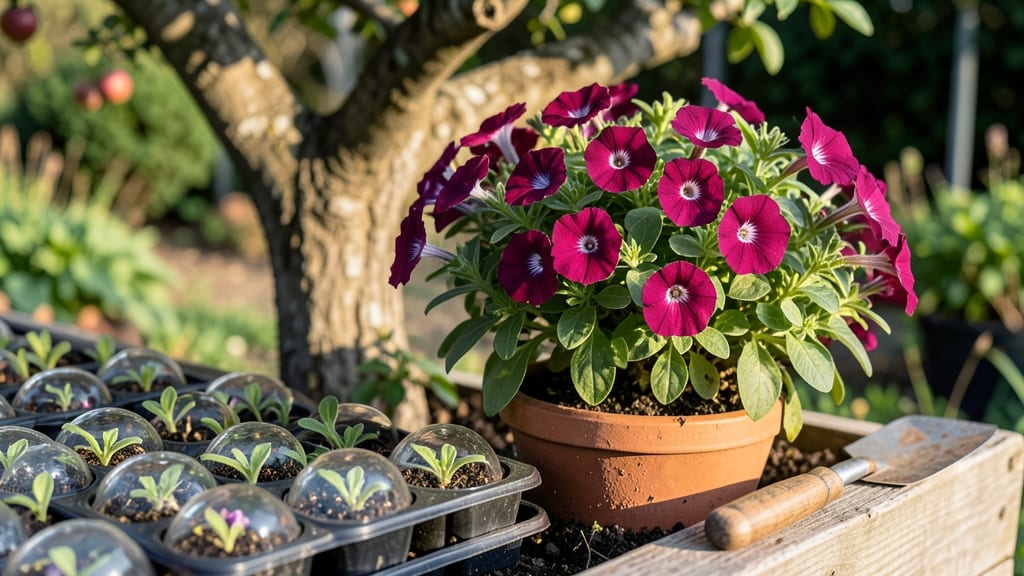
To plant annuals in Zone 7, aim for March 15–May 15 for spring blooms and August 1–September 15 for fall color—timing this right means the difference between vibrant gardens and wilted dreams.
Picture this: you’ve prepped the soil, chosen your 🌸 favorite annuals, and then—BAM—a late frost hits, turning your hard work into a sad, icy memory. Or worse, you wait too long, and summer heat arrives before your heat-sensitive petunias even think about blooming.
Zone 7’s 180 frost-free days give you two clear windows to work with, but not all annuals play by the same rules. Cool-season flowers like pansies can handle a light frost, while warm-season tomatoes need soil that’s at least 60°F before they’ll even consider growing.
Below, I’ll break down the exact deadlines by variety type, how to adjust for microclimates (yes, your backyard might be warmer than your neighbor’s), and the 3-step checklist to avoid common planting mistakes that even experienced gardeners make.
Zone 7 frost-free planting deadlines by annual type (cool vs. warm season)
Zone 7 gardeners have a short but sweet window to plant annuals before summer heat or fall frosts arrive. The key is understanding whether your plants are cool-season (thrive in 60-75°F soil) or warm-season (need 70-90°F soil).
Plant too early, and frost zaps seedlings; too late, and heat stress slows growth. Let’s break down the exact deadlines for your region’s average last frost date of March 15 and first frost of November 15.
Cool-season annuals like lettuce and pansies can handle light frosts (down to 25°F), while warm-season stars like tomatoes and marigolds wilt if soil temps dip below 50°F. Your planting clock starts when soil warms to 60°F for cool crops and 70°F for warm ones.
Use a soil thermometer—don’t guess! For example, in Piedmont Zone 7, soil hits 60°F by mid-April, while Coastal Plain areas may wait until late April.
Here’s your quick-reference table for planting deadlines, sorted by type and season. Bookmark this for your garden planner!
Notice how cool-season crops get a fall replanting window? This is your chance to squeeze in a second harvest before frost. For example, spinach planted in early September will bolt by October, but if you harvest leaves before flowers appear, you’ll get tender greens until November 1.
Similarly, pansies and snapdragons planted in late summer will bloom through light frosts, adding color to your garden until Christmas.
Warm-season plants like tomatoes and peppers have zero tolerance for cold soil. If you plant them before May 15 in Zone 7, they’ll languish or rot. Instead, start seeds indoors in March and transplant after the last frost.
For heat-loving flowers like marigolds or zinnias, direct-sow after May 1 to avoid leggy, weak stems. Pro tip: Use black plastic mulch to warm soil faster for early warm-season plantings.
Soil temperature is your true planting guide, not the calendar. A late April frost might delay your spring planting, while a warm May could let you start earlier. Test soil temps with a thermometer at 6 inches deep—this is where roots grow.
For example, in Appalachian Zone 7, soil may stay cold until May 10, while Coastal Plain areas hit ideal temps by April 20. Adjust your deadlines accordingly.
Don’t overlook succession planting for warm-season crops. After harvesting early bush beans by July, replant with okra or sweet potatoes, which thrive in summer’s lingering heat. For flowers, stagger plantings of cos
How to adjust planting times for early vs. late varieties in Zone 7
Zone 7 gardeners know that not all annuals thrive on the same schedule. Early varieties like cool-season kale or pansies can handle light frosts, while tomatoes and marigolds need warm soil to germinate.
The key is adjusting your planting timeline based on frost dates, soil temperatures, and your local microclimate—whether you're in the Piedmont's heat or a cooler Appalachian valley.
Start by checking your last frost date (typically March 15 in Zone 7) and first frost date (usually November 15). Then, use these dates as anchors to stretch your growing season with succession planting, cold-hardy annuals, and heat-tolerant picks.
For example, spinach and lettuce can go in as early as February under row covers, while basil and zinnia wait until after May 1 for soil to warm.
🌱 3-Step Checklist for Adjusting Planting Times
-
Step 1: Group Annuals by Heat Needs
Cool-season: kale, peas, pansies (plant 4-6 weeks before last frost)
Warm-season: tomatoes, peppers, marigolds (plant 2 weeks after last frost) -
Step 2: Adjust for Microclimates
Urban areas: 2-3°F warmer → plant heat-lovers (okra, sweet potatoes) earlier
Valleys/shade: 5-7°F cooler → delay warm-season starts by 1-2 weeks -
Step 3: Use Succession Planting
Cool crops: Sow every 2 weeks until June 15 (e.g., radishes, lettuce)
Warm crops: Stagger plantings every 3 weeks (e.g., bush beans, zinnias)
For fall planting, aim to sow warm-season annuals by August 1 so they mature before frost. Sweet alyssum and cosmos are great choices—they tolerate light frosts and bloom until October.
If your area runs hotter, opt for heat-tolerant varieties like Mexican sunflower or black-eyed Susan, which thrive in 90°F+ temperatures.
Urban gardeners often face warmer microclimates due to pavement and buildings. In these spots, you can push early spring plantings by 1-2 weeks for heat-loving annuals like okra or sweet potatoes.
Conversely, shady or valley gardens may need to delay warm-season starts until mid-May to avoid frost. Always test soil temperature—most warm-season seeds need 60°F+ to germinate.
Pro tip: Use row covers or cold frames to extend early spring plantings by 2-3 weeks for cool-season crops. For late summer, shade cloth can protect heat-sensitive annuals like basil from wilting. By fine-tuning your schedule, you’ll enjoy continuous blooms and harvests from spring to fall—without the guesswork.
Remember, local frost history trumps averages. Check your neighborhood's records for the last 3 years—a late frost in April can wipe out tender seedlings like petunias or impatiens. When in doubt, start with cold-hardy varieties and adjust as you learn your garden’s rhythm. 🌿