
Trees
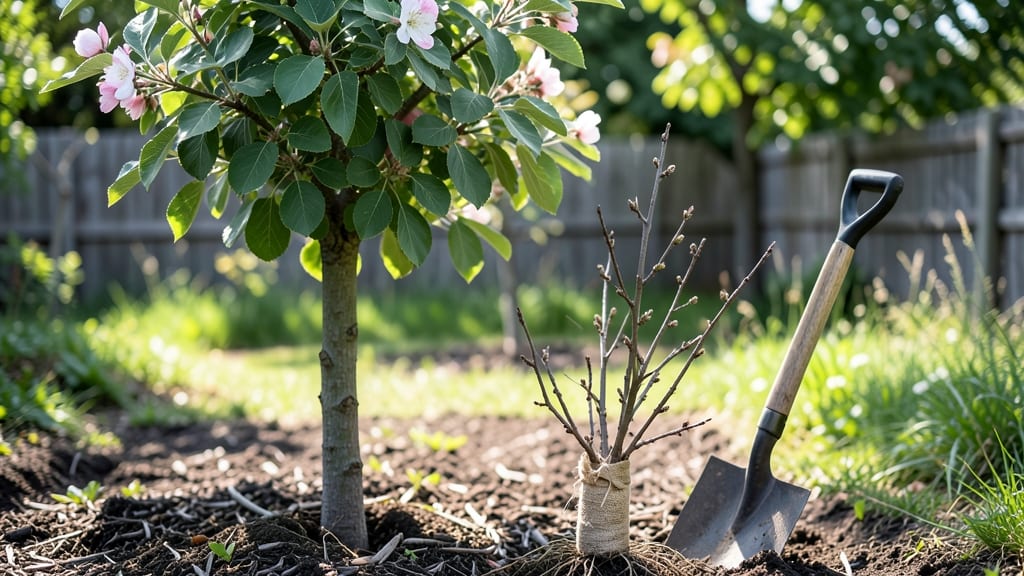
Planting apple trees in Illinois at the right time means the difference between a thriving orchard and a sad, frost-bitten sapling 🍎 — and the best windows are early spring or early fall, when the soil is workable but the extremes haven’t arrived yet.
Here’s the catch: Illinois’ unpredictable frost cycles mean you can’t just pick a month. One late freeze in April and your young tree could suffer irreversible damage, while planting too late in fall leaves it vulnerable to winter’s bite.
The key is matching your variety to your zone’s chill hours and frost dates.
In this guide, I’ll break down the exact months to plant based on your USDA Zone (5-6), how to prep your soil for maximum root growth, and which apple varieties hold up best in Illinois’ climate. Spoiler: Honeycrisp and Haralson are local favorites for a reason.
You’ll also learn how to read your local frost data, when to hold off if the ground is frozen, and the one trick that gives bare-root trees a head start. Let’s get those roots in the ground the right way.
Best planting months for apple trees in Illinois based on chill hours
Choosing the right time to plant an apple tree in Illinois depends on two critical factors: chill hours and frost timing. Illinois’ USDA Zones 5–6 experience 300–1,000+ chill hours annually, meaning you must select varieties that match your local climate.
Planting outside these windows risks poor root establishment or winter damage.
Most Illinois gardeners succeed with early spring (March–April) or early fall (September–October) planting. Spring planting lets roots establish before summer heat, while fall planting gives roots time to grow before winter dormancy. Both windows avoid extreme temperatures that stress young trees.
Your apple tree’s chill-hour requirement determines which varieties thrive in your area. For example, Honeycrisp needs 800+ chill hours, while Haralson thrives with 300–500 chill hours. Planting a high-chill variety in southern Illinois (Zone 6) could result in poor fruit production or no fruit at all.
Here’s how Illinois’ frost dates impact planting: The last spring frost typically hits around April 15, while the first fall frost arrives by October 15. Planting too early in spring risks frost damage to new growth, while fall planting must finish before soil freezes (usually by late November).
Bare-root trees (most common in nurseries) should be planted in early spring when soil thaws but before buds swell. Container-grown trees offer more flexibility and can be planted year-round in Illinois, but early spring or fall still yields the best results.
If you’re planting in early spring, aim for March in southern Illinois (Zone 6) or April in northern areas (Zone 5). This timing ensures roots establish before summer drought stress. For fall planting, September is ideal—roots grow until soil cools, and trees enter dormancy strong.
Always check your local chill-hour data before buying. Use the Illinois Extension’s chill-hour map to confirm your zone’s requirements. For example, Jonathan apples (500–700 chill hours) work well in central Illinois, while Gala (600–800 chill hours) suits northern regions.
After planting, mulch heavily (3–4 inches of organic mulch) to retain moisture and regulate soil temperature. Water deeply once a week for the first year, ensuring the root ball stays moist but not soggy. Avoid overwatering, which can suffocate roots and invite disease.
Remember: dwarf varieties (like Columnar or Semi-Dwarf) establish faster than standard trees, making them ideal for small spaces or urban gardens. They also fruit sooner—sometimes in as little as 3–5 years—compared to 5–10 years for full-size trees.
For best results, pair your planting timeline with proper soil prep. Amend heavy clay soil with compost or sand to improve drainage, and test your soil’s pH (6.0–7.0) before planting. A well-prepared site sets the stage for healthy growth and abundant fruit.
How Illinois frost dates affect apple tree survival & fruit production
Illinois’ unpredictable frost dates can make or break your apple tree’s success. While the average last frost hits around April 15, late frosts in May aren’t uncommon—especially in USDA Zones 5-6.
These late freezes can damage new blossoms and young leaves, slashing your fruit yield by up to 50% if you’re not prepared.
Even worse, early fall freezes (sometimes as early as October 15) can stunt root growth before winter, leaving your tree vulnerable to cold damage and disease. The key? Choosing frost-resistant varieties and timing your planting to align with your local frost data.
For spring planting (March-April), aim to get your tree in the ground 4-6 weeks before your area’s average last frost. This gives roots time to establish before buds break. Use a frost cloth for the first 2-3 weeks if nights dip below 32°F—this protects young leaves and blossoms.
If you plant in early fall (September-October), choose hardy varieties like Haralson or Cortland, which tolerate colder soils. Avoid planting too late—roots need 4-6 weeks to harden off before winter. A 6-inch layer of mulch insulates roots and prevents frost heave.
Pro tip: Check your local frost dates (via Old Farmer’s Almanac or NOAA) and adjust planting by 1-2 weeks earlier if your area has a history of late frosts.
For example, in Northern Illinois (Zone 5), plant bare-root trees in April, while Southern Illinois (Zone 6) can safely plant in late March.
Finally, prune damaged branches after frost events to encourage new growth. If frost kills blossoms, your tree may skip fruiting that year, but proper care ensures it rebounds stronger for next season.
With the right timing and varieties, you can minimize frost damage and enjoy abundant harvests year after year.