
Plants
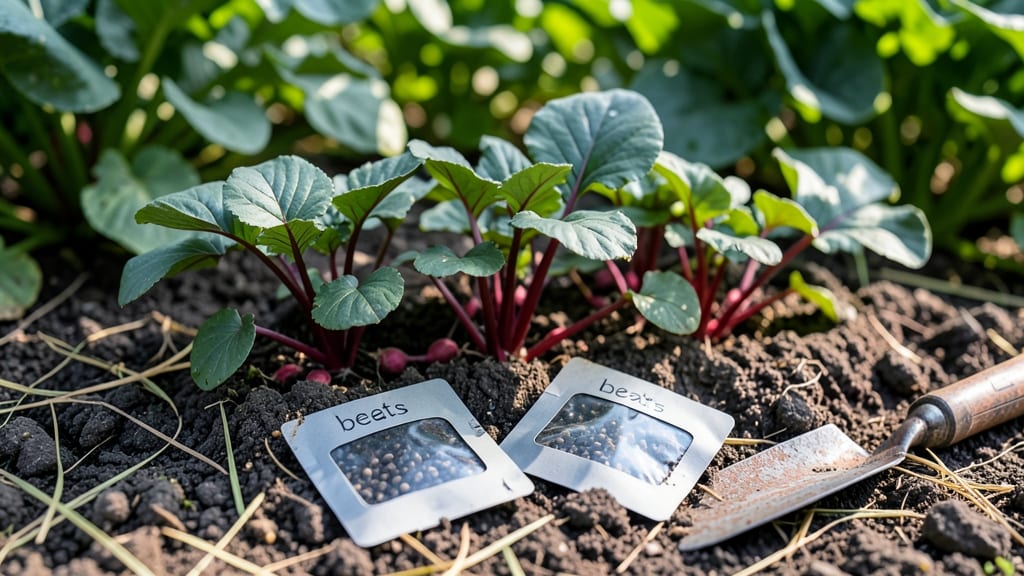
To plant beets in Kentucky for juicy harvests, aim for early spring or late summer when soil temperatures reach 50°F—typically after your last frost date.
Kentucky’s unpredictable frost dates and diverse microclimates can turn beet planting into a guessing game—but timing is everything for sweet, tender harvests.
Miss the window, and you risk bolting plants or stunted roots. Here’s your zone-by-zone guide to planting 🍠 beets in Kentucky, from early spring to late summer, with frost-free deadlines that maximize yield.
Learn when to start seeds indoors, how to adjust for microclimates, and the best varieties for Kentucky’s 6a zone to ensure a continuous supply of homegrown beets all season.
Kentucky beet planting calendar by USDA zone: exact dates for spring and fall
Kentucky’s USDA zones 5a-7a create unique challenges for beet growers. The Bluegrass region (zones 6a-7a) enjoys longer growing seasons, while Pennyrile (zone 5a) faces earlier frosts. To avoid bolting or stunted growth, timing is critical—especially since soil temperatures must reach 45°F for germination.
Spring planting begins when daytime highs consistently stay above 50°F, typically mid-March to early April in most zones. Fall plantings should start 8-10 weeks before your first frost (usually late July to early August), allowing time for 50-60 days to maturity before cold sets in.
Here’s your zone-specific planting calendar with frost-free deadlines and soil temperature thresholds:
| USDA Zone | Spring Planting Window | Soil Temp Threshold | Fall Planting Window | Frost-Free Deadline |
|---|---|---|---|---|
| 5a (Pennyrile) | Mid-April to early May | 45°F (minimum) | Late July to early August | October 15 |
| 6a (Northern KY) | Early April to mid-April | 45°F (minimum) | Early August to mid-August | October 31 |
| 7a (Bluegrass) | Late March to early April | 45°F (minimum) | Mid-August to early September | November 15 |
*Adjust dates 1-2 weeks earlier for microclimates (e.g., urban heat islands) or later for elevated areas.
For zone 5a gardeners, early spring plantings should use cold-hardy varieties like 'Detroit Dark Red', which tolerates light frosts. In zones 6a-7a, prioritize heat-tolerant types such as 'Chioggia' for late summer plantings to avoid bolting from Kentucky’s summer heat.
Always check your local frost dates—Lexington’s last frost averages March 28, while Bowling Green’s is March 15. Planting too early risks seed rot in cold, wet soils, while waiting too long may lead to small, woody roots.
Use row covers or black plastic mulch to warm soil faster in early spring. For fall plantings, apply a light mulch in late September to insulate roots as temperatures drop. This extends your harvest window by 2-3 weeks in most zones.
Pro tip: Sow seeds ½ inch deep and 1 inch apart for optimal germination. Thin seedlings to 3-4 inches apart when they reach 2 inches tall—this reduces competition and prevents forked roots, a common issue in Kentucky’s fertile but sometimes nitrogen-rich soils.
Monitor soil moisture closely during germination. Beets need consistent moisture but will bolt faster if stressed by drought. In Kentucky’s humid climate, avoid overhead watering to prevent leaf diseases like downy mildew.
🌱
How to extend your beet harvest season in Kentucky: succession planting tips
Succession planting is the secret to enjoying fresh, sweet beets from early spring through late fall in Kentucky. By spacing out your plantings every 2-3 weeks, you can avoid the bolting that plagues late-season beets and ensure a steady supply.
The key lies in choosing the right varieties for each season and protecting tender seedlings from Kentucky’s notorious late frosts.
Kentucky’s diverse microclimates—from the cooler Bluegrass region to the warmer Pennyrile—mean your planting schedule should adapt. For example, Lexington’s average last frost date is around April 15, while Bowling Green’s is closer to April 1.
Louisville falls somewhere in between, with a typical last frost around April 10. These differences can shift your planting windows by weeks.
To maximize your harvest, focus on three key planting windows:
- Early Spring: Plant cold-hardy varieties like 'Detroit Dark Red' or 'Golden' 2-3 weeks before your average last frost date. Use row covers to protect seedlings from late frosts.
- Late Spring: Sow heat-tolerant varieties like 'Chioggia' or 'Boltardy' every 2 weeks until June 15 to avoid bolting. Space plantings in partial shade for better heat tolerance.
- Late Summer: Begin fall succession plantings in early August for a late harvest. Choose quick-maturing varieties like 'Babybeat' to finish before first frost (typically November 15).
- Soil Prep: Amend soil with compost and ensure pH 6.0-7.0 before planting. Beets thrive in loose, well-draining soil to prevent woody roots.
- Thinning: Thin seedlings to 3-4 inches apart when they reach 2 inches tall. Use thinned seedlings in salads for zero waste!
For late spring and summer plantings, prioritize shade cloth or drip irrigation to keep soil consistently moist. Beets hate dry spells, which can cause bolting. In Kentucky’s humid summers, mulch heavily with straw or grass clippings to retain moisture and suppress weeds.
This is especially critical in Louisville and Bowling Green, where summer heat peaks earlier.
Don’t overlook fall plantings—they’re your ticket to fresh beets in October and November. Start seeds indoors in late July and transplant outdoors in early August. Use black plastic mulch to warm the soil and extend the season.
In Lexington’s cooler microclimate, you might even squeeze in a third harvest by planting mid-August for a late-November pick.
Protect your seedlings with frost cloth if temperatures dip below 40°F at night. This is non-negotiable in Kentucky’s Bluegrass region, where late frosts can linger into mid-April.
For urban gardeners in Louisville or Bowling Green, keep an eye on local weather alerts and be ready to cover plants quickly. With these strategies, you’ll enjoy beets from May through November—no grocery store needed!