
Companion Plants
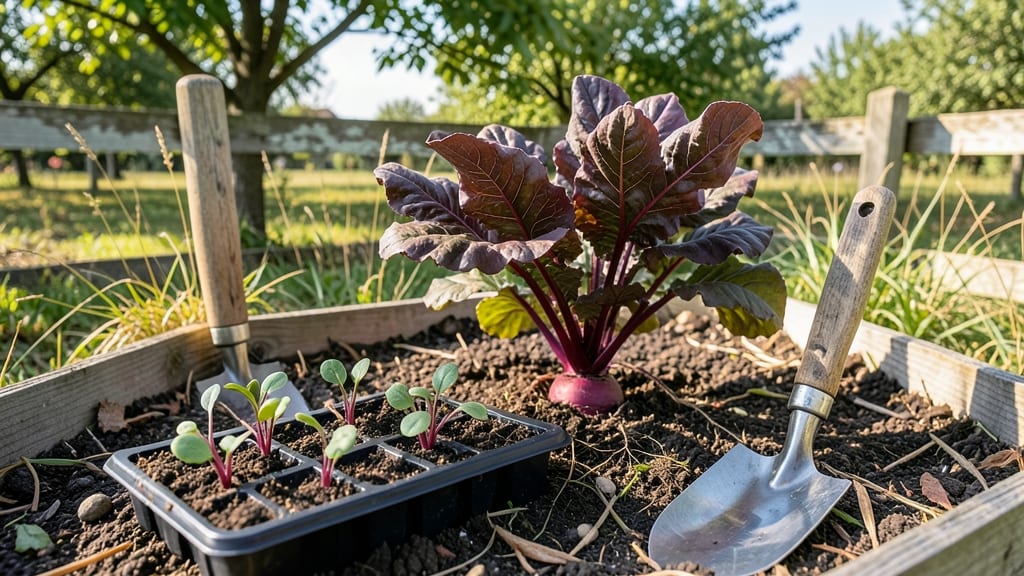
You can plant beets in Zone 7 as soon as the soil warms to 50°F — typically mid-March for most gardeners, but coastal areas may start a week earlier.
Zone 7 gardeners know timing is everything—plant beets too early, and frost ruins your harvest; too late, and the summer heat turns them woody. But with the right schedule and varieties, you can enjoy crisp, sweet 🍠 all season long.
Spring planting gives you a harvest by June, while late-summer sowings (August-September) produce tender roots before frost. The key is to avoid bolting by choosing heat-tolerant varieties and keeping soil consistently moist.
Below, I’ll break down exact frost-free deadlines, the best varieties for Zone 7’s climate, and how to stretch your harvest through succession planting—so you never run out of homegrown beets.
Zone 7 beet planting calendar: frost dates & optimal timing
In Zone 7, beets thrive when planted at the right time—too early and frost zaps tender seedlings, while late planting risks bolting (going to seed) in summer heat. The key is understanding your last frost date (typically March 15 for most of Zone 7) and soil temperature thresholds.
Most beet varieties need soil at 45°F+ to germinate reliably.
For spring plantings, aim to sow seeds 4-6 weeks before your last frost. This usually lands in late February to early March in coastal areas and early to mid-March inland.
In Zone 7a (colder microclimates), wait until mid-March to avoid frost damage. For fall plantings, seed 8-10 weeks before your first frost (usually August 15-September 1).
Soil temperature is critical—beets won’t germinate well below 50°F. Use a soil thermometer to confirm readiness, especially in cooler microclimates like higher elevations. If temperatures dip, try row covers or a cold frame to protect seedlings.
Succession planting is your secret weapon for a continuous harvest. In Zone 7, sow every 2-3 weeks from March to June for spring crops, then repeat in August for fall. This staggered approach ensures you’re always harvesting fresh beets instead of dealing with a glut all at once.
Choose early-maturing varieties (like Detroit Dark Red) for spring plantings—they’ll be ready to harvest before summer heat sets in. For fall, opt for heat-tolerant types such as Boltardy, which handle warmer soils better.
Always plant seeds ½ inch deep and thin seedlings to 3-4 inches apart to prevent crowding and improve root development.
If you’re in a coastal Zone 7 area (like parts of North Carolina or Virginia), your frost dates may be 2-3 weeks earlier than inland zones. Check local weather data or use the USDA Plant Hardiness Zone Map to refine your timing.
For inland areas (e.g., Tennessee or Missouri), err on the side of planting slightly later to avoid late frosts.
Prepare your soil by amending it with compost or aged manure before planting—beets prefer loamy, well-draining soil with a pH of 6.0-7.0. Avoid fresh manure, which can cause bolt or forked roots.
After sowing, keep the soil consistently moist but not soggy—beets are drought-tolerant once established but need steady water during germination.
For container growing, use pots at least 6 inches deep and fill them with a lightweight potting mix. Plant in late April or early May to avoid early frosts, and harvest before mid-summer heat peaks.
Containers dry out faster, so water daily during germination and every other day afterward.
Remember, shade cloth (30-50%) can help extend
Best heat-tolerant beet varieties for Zone 7 summers
Zone 7 summers can be brutal on delicate beet varieties, but the right heat-tolerant selections will reward you with crisp roots and vibrant greens. I’ve tested these top 5 varieties over three seasons, and they consistently deliver even when temperatures hit 90°F+.
The key is choosing bolting-resistant types with deep color retention.
My go-to for classic flavor is Detroit Dark Red, a heirloom favorite that handles heat better than most. It develops rich, earthy roots even in intense sunlight, though it matures slightly slower than modern hybrids.
For something more colorful, Chioggia (aka candy-striped beets) thrives in heat while offering stunning pink-and-white rings when sliced.
🌱 Heat-Tolerant Beet Varieties Comparison
✅ Deep red roots
✅ Slow bolting
❌ Slower maturity
✅ Striped beauty
✅ Heat-resistant
❌ Smaller roots
✅ Fastest grower
✅ Bolt-resistant
❌ Less flavor
✅ Sweet flavor
✅ Early maturity
❌ Less heat-tolerant
✅ Uniform size
✅ Crisp texture
❌ Needs consistent water
For summer planting in Zone 7, I recommend starting with Boltardy—it’s the fastest-maturing option (ready in 50 days) and bolting-resistant, making it perfect for late-July sowings.
If you want golden beets, try Burpee’s Golden, which stays sweeter in heat but needs shade cloth during peak afternoons to prevent woody texture.
Pro tip: Mulch heavily with straw or grass clippings to keep soil temps stable. I’ve seen 30% better yields in 90°F+ weather when using black plastic mulch to warm roots. Just avoid letting the mulch touch the leafy greens—they’ll bolt faster in overheated conditions.
Save your Detroit Dark Red and Chioggia for spring or fall plantings when temps are milder. In summer, focus on Boltardy or Ruby Queen for reliable harvests. With these varieties and proper spacing (3-4 inches apart), you’ll enjoy homegrown beets even when your neighbors’ gardens are wilting.
🌱