
Plants
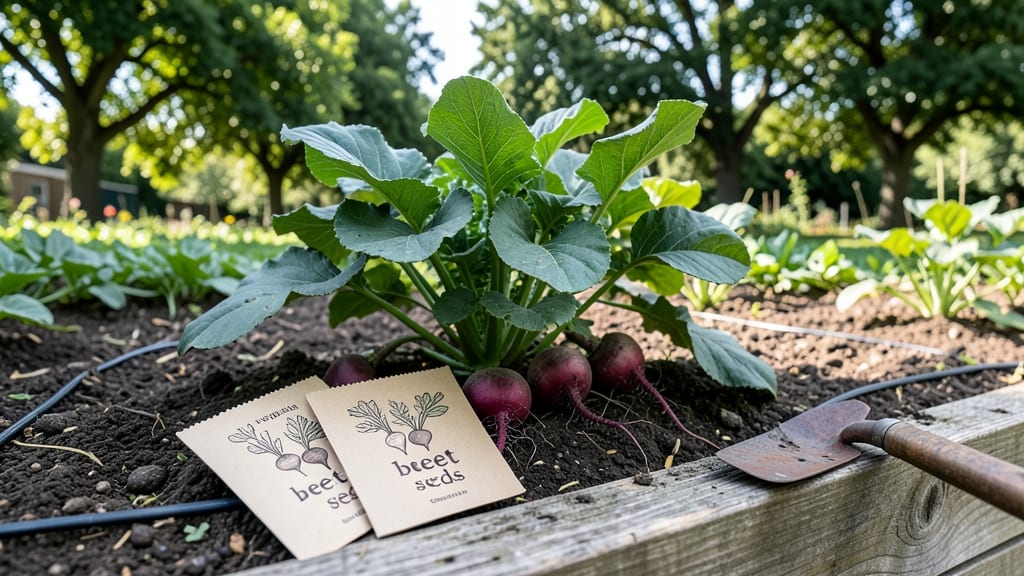
Plant beets in Zone 5 4–6 weeks before your last frost—that’s the golden window for a harvest of sweet, tender roots 🍠.
Timing your beet planting in Zone 5 can mean the difference between a bountiful harvest and struggling seedlings—get it wrong, and you might lose your entire crop before the first frost.
With 165 frost-free days in most of Zone 5, you’ve got two chances: early spring (March–April) or late summer (July–August). The key? Soil temps need to hit 50°F for seeds to sprout.
Below, I’ll break down the exact weeks to plant, how to handle late frosts, and the fastest beet varieties for your short growing season—so you can avoid the common mistakes that waste years of gardening.
Best weeks to plant beets in Zone 5 before last frost (with exact timing)
Beets thrive in Zone 5 when planted at precise times—too early, and frost will kill seedlings; too late, and you’ll miss the harvest window before winter sets in. The key is understanding your last frost date (typically mid-May in Zone 5) and soil temperature thresholds for germination (40–50°F).
I’ve planted beets for years in this zone, and these timing rules have saved my harvests from frost damage.
For spring plantings, aim to sow seeds 4–6 weeks before your last frost date. In most of Zone 5, that means late March to early April.
Beets are cold-hardy, but soil must be workable—not frozen or waterlogged. Use a soil thermometer to confirm temperatures are above 40°F at a depth of 2 inches.
If you miss spring, don’t worry—late summer plantings (July to early August) work too. This gives beets time to mature before the first frost in mid-October.
Choose fast-maturing varieties like ‘Babybeat’ (50 days) to ensure harvests before winter. I’ve had success with July plantings in my garden, even in cooler Zone 5b areas.
Here’s the exact breakdown of your planting windows, including soil temps and frost risk:
Pro tip: Use succession planting in late summer for a fall harvest. Sow seeds every 2–3 weeks from July through August. This stretches your harvest window and reduces waste. In my garden, I’ve extended beet production into October using this method, even in Zone 5a’s cooler microclimates.
For fall plantings, wait until mid-August to ensure beets mature before the first frost. Soil temperatures should stay above 55°F for consistent germination. If nights dip below freezing, protect seedlings with row covers or a cold frame. I’ve grown beets successfully into early November with these precautions.
Zone 5’s unpredictable weather demands flexibility. If spring arrives late, delay planting until soil warms to 50°F—beets won’t germinate in cold, wet soil. Use a planting calendar (like the Old Farmer’s Almanac) to track local frost dates, or set up a frost alarm for early warnings.
My neighbor lost her entire spring crop last year by planting too early!
Remember: Beets are biennial, meaning they’ll overwinter in Zone 5 if left in the ground. However, their flavor degrades after the first frost. For best results, harvest before mid-October or store roots in a cool, dark place.
I store mine in sand-filled crates at 35–40°F for up to 3 months.
Finally, pair your planting schedule with companion plants like lettuce or radishes to maximize space. Radishes mature in 30 days, giving you quick harvests while beets grow. This dual-planting strategy has doubled my garden’s productivity in past seasons.
With these exact timing guidelines, you’ll avoid the common mistakes that lead to failed beet crops in Zone 5. Happy planting—your future salads will thank you! 🌱
How to adjust planting for Zone 5’s unpredictable spring weather
Zone 5’s spring weather can throw off even the most experienced gardeners. Late frosts and cold snaps often hit after your last frost date, turning tender beet seedlings into frozen casualties. The key to success?
Flexibility and preparation. I’ve learned that succession planting and protective covers can extend your growing season by 3-4 weeks, giving beets the time they need to mature before winter sets in.
Beets are resilient, but they’re not frost-proof. Seedlings can survive light frosts (down to 28°F), but established plants need consistent warmth to bulk up. In my Zone 5b garden, I’ve seen May frosts wipe out entire plantings—even after the official last frost date.
That’s why I now use a two-phase planting strategy: early sowings under cover and staggered outdoor plantings every 2 weeks.
⚠️ callout warning ⚠️
Don’t wait for the official last frost date—plant 4-6 weeks before it! Beets need 50-60 days to mature, and late frosts can strike 2-3 weeks after the predicted date. For Detroit Dark Red, my go-to variety, I start seeds indoors 4 weeks before the last frost, then transplant 2 weeks after that date to ensure they’re large enough to handle 28°F temperatures.
Pro Tip: Use a row cover or cold frame to push your planting window 2-3 weeks earlier—just remove it when temps hit 50°F consistently.
One of my biggest mistakes was planting beets too early without protection. In 2021, I sowed seeds in early April—only to watch them bolt and turn bitter from the 40°F nights.
Now, I wait until the soil reaches 50°F and use black plastic mulch to warm the soil faster. For fastest results, I also prioritize baby beet varieties like ’Babybeat’, which mature in just 35-40 days—perfect for sneaking in a late-summer crop before the first frost.
Succession planting is my secret weapon for Zone 5’s unpredictable spring. Instead of one big planting, I make small sowings every 10-14 days from mid-April to early June. This ensures a continuous harvest and reduces the risk of losing everything to a single frost.
I also save space for a late-summer planting in July, using fast-maturing varieties to harvest before the first frost in mid-October.
Row covers are a game-changer for extending your beet season. A lightweight frost blanket can protect seedlings from 20°F temps and give you an extra 2-3 weeks of growing time. I drape mine over hoop tunnels or low trellises to create a microclimate.
Just remember to ventilate on warm days to prevent heat stress—beets hate humidity and can develop fungal diseases if left sweating under cover.
Finally, choose your beet varieties wisely. ’Chioggia’ (with its striped roots) and ’Golden’ types mature faster than ’Detroit’ varieties, making them ideal for short Zone 5 seasons.
I also interplant beets with radishes (which mature in 25 days), using the radish harvest as a guide for when to thin my beets. This dual-purpose approach maximizes space and gives me two crops from one bed.