
Plants
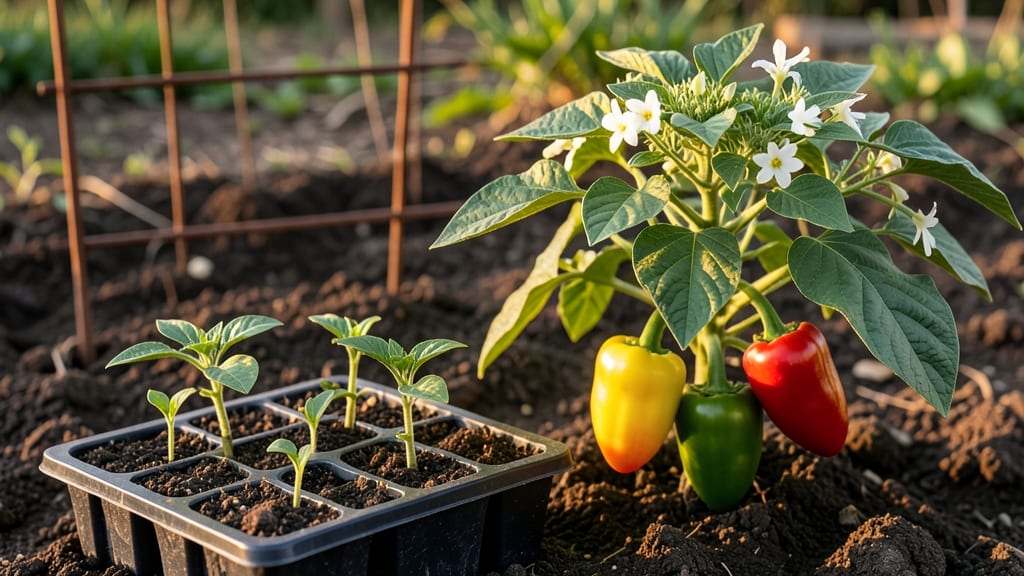
Planting bell peppers in Arizona demands precision to beat the heat and avoid bitter-tasting fruit—timing is everything.
Picture this: you’ve nurtured seedlings for weeks, only to watch them wilt under 110°F afternoons or bolt before they bear a single pepper. That’s why knowing the perfect window for your microclimate (Phoenix vs. Flagstaff) is non-negotiable.
In the Low Desert, where soil heats up fast, aim for transplanting by late February—soil needs to hit 60°F+ to avoid stunted roots. Meanwhile, High Desert gardeners can start a month earlier, thanks to cooler nights.
Direct sowing? Wait until April, when monsoon rains won’t drown tender seedlings.
Below, I’ll break down the exact frost-free dates by zone, heat-resistant varieties to try, and watering hacks to keep your 🌶️ thriving through summer—no guesswork included.
Arizona’s best planting windows for bell peppers: heat-zone breakdown
Arizona’s diverse climate—from the Low Desert’s triple-digit summers to the High Desert’s cooler nights—means your bell pepper planting timeline must adapt. Unlike cooler states, frost isn’t the main threat; it’s heat stress and monsoon moisture that can derail your harvest.
Timing your plantings to avoid 100°F+ soil and align with rainy season shifts is key to sweet, productive peppers.
Bell peppers thrive in warm soil (60°F+) but wilts under extreme heat. In Arizona, this means spring and fall are your prime windows, but the exact months depend on whether you’re in Phoenix, Tucson, Flagstaff, or the White Mountains.
Each microclimate has unique frost-free dates and heat tolerance thresholds that dictate when to start seeds indoors or transplant seedlings.
Below, I’ve broken down the optimal planting windows for Arizona’s three key heat zones—Low Desert, High Desert, and Monsoon Regions—plus the soil temperature and frost-free date benchmarks you must meet for success.
Pro tip: Use a soil thermometer to confirm readiness—55°F is the minimum for germination, but 65°F+ ensures faster growth.
Arizona Bell Pepper Planting Timeline by Heat Zone
| Heat Zone | Frost-Free Date | Best Planting Window | Ideal Soil Temp (°F) | Key Considerations |
|---|---|---|---|---|
| Low Desert (Phoenix, Tucson) | Feb 15 | Feb 15–Mar 15 (transplant) or Mar 1–Apr 15 (direct sow) | 65–75°F | Avoid planting after Apr 15—soil heats to 100°F+ by May. |
| High Desert (Flagstaff, Prescott) | Mar 1 | Mar 15–Apr 30 (transplant) or Apr 15–May 15 (direct sow) | 60–70°F | Cooler nights (40s°F) may require row covers. |
| Monsoon Regions (Sedona, Jerome) | Feb 20 | Feb 20–Mar 30 (transplant) or Mar 15–Apr 30 (direct sow) | 62–72°F | July–Aug monsoon rains can cause blossom end rot—amend soil with calcium. |
*All zones benefit from shade cloth (30–50%) during peak summer heat (June–Sept).
If you’re in the Low Desert, your last chance to plant bell peppers is early April—after that, the soil temperature and air temperature combine to create a heat stress scenario that stunts growth.
For High Desert gardeners, you can push seedlings into the ground as late as May 15, but expect slower maturation due to shorter daylight hours in summer.
The Monsoon Regions offer a unique advantage: July and August can actually be a second planting window if you use drip irrigation and mulch heavily to prevent soil crusting from heavy rains. However, blossom end rot becomes a risk, so amend your soil with gypsum (calcium sulfate) before planting.
For direct sowing (planting seeds directly into the garden), wait until the soil temperature is consistently 70°F+—this usually aligns with mid-March in the Low Desert and mid-April in the High Desert.
Seeds germinate best in warm, moist soil, so water deeply the day before sowing and keep the soil evenly moist until seedlings emerge (7–14 days).
Transplanting hardened-off seedlings (bought from nurseries or started indoors) gives you a 2–3 week head start on the season. Aim to transplant when nighttime temperatures stay above 55°F—this is typically mid-February in the Low Desert and mid-March in the High Desert.
Harden off seedlings by gradually exposing them to outdoor conditions for 1–2 weeks before planting.
One critical mistake Arizona gardeners make is planting too early in January—even in the High Desert, January nights can dip below freezing, and bell peppers cannot tolerate frost.
If you’re eager to start, grow seedlings indoors under grow lights or in a greenhouse beginning in December, then transplant after the last frost date (which varies by zone).
Remember: Bell pe
How to extend your bell pepper growing season in Arizona’s extreme heat
Arizona’s summer heat can turn your bell pepper plants into crispy snacks if you’re not careful. But with the right strategies, you can protect your peppers and enjoy a harvest well into fall.
The key is balancing shade, water, and soil to keep plants thriving when temperatures soar above 100°F. I’ve learned that even heat-loving peppers need a little help during Arizona’s brutal summers.
Start by choosing heat-resistant varieties like ‘NuMex Sandia’ or ‘Carmen,’ which handle Arizona’s climate better than standard types. These varieties can tolerate up to 105°F without wilting. Pair them with mulching and shade cloth, and you’ll extend your growing season by 2-3 months.
The goal? Keep roots cool and soil moist without drowning your plants.
- 1
- 2
- 3
- 4
- 5
Don’t forget to prune suckers (the small shoots in leaf axils) to redirect energy to fruit production. This is especially important in Arizona’s heat, where plants divert resources to survival mode instead of growing peppers.
Use clean, sharp shears to avoid damaging stems, and remove suckers every 2 weeks during peak growing months.
If your peppers start looking wilting or yellowing, it’s a sign of heat stress. Move containers to shadier spots immediately and increase watering frequency temporarily. In extreme cases, spray leaves with water in the early morning to lower leaf temperatures by a few degrees.
Just avoid wetting foliage at night to prevent fungal infections.
With these strategies, I’ve successfully grown bell peppers in Arizona through October, even in 110°F heat. The secret? Proactive care beats reactive fixes every time.
Start with shade and mulch, then fine-tune with water and pruning, and you’ll enjoy a longer, more productive harvest than you ever thought possible in the desert. 🌶️💧☀️