
Plants
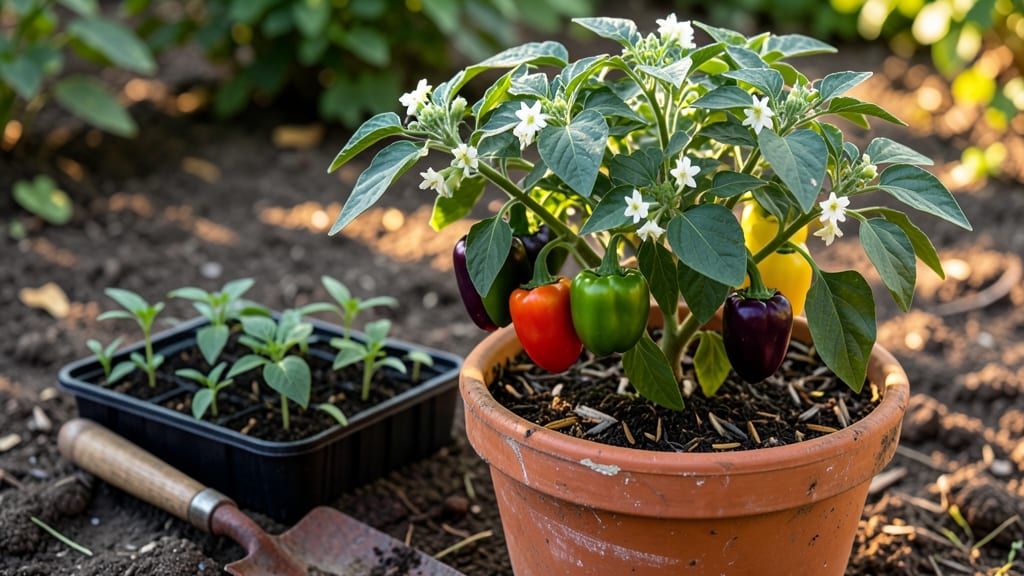
Planting bell peppers in Kansas after the last frost—typically mid-April—sets the stage for a bountiful summer harvest of crisp, flavorful 🌶️ pods.
Kansas gardeners know timing is everything—plant too early, and frost will wipe them out; too late, and your harvest shrinks. But with the right USDA Zone 6-7 planting window, you can avoid these pitfalls and enjoy peppers from July to October.
Whether you're starting seeds indoors 8-10 weeks before transplanting or sowing directly after soil warms to 60°F, this guide covers the exact dates for Wichita, Topeka, and Kansas City regions.
You’ll also learn how to adjust for microclimates, choose heat-resistant varieties, and use mulch to extend your growing season—so you can maximize every inch of your garden.
Kansas bell pepper planting calendar: exact dates for transplants vs seeds
Timing your bell pepper planting in Kansas can mean the difference between a bountiful harvest and a failed crop. Since Kansas spans USDA Zones 5b-7a, your exact planting window depends on whether you're in Wichita (Zone 7a), Topeka (Zone 6a), or Kansas City (Zone 6b).
Bell peppers are heat-lovers and won't tolerate frost, so getting the dates right is critical.
Most Kansas gardeners choose between two methods: starting seeds indoors 8-10 weeks before the last frost or planting transplants directly after the frost-free date. Each method has its advantages, but both require precise timing to match Kansas' 60°F minimum soil temperature requirement.
Let's break down the exact planting calendar for each region.
| Region | Last Frost Date | Start Seeds Indoors | Transplant Outdoors | Direct Sow Outdoors |
|---|---|---|---|---|
| Wichita (Zone 7a) | April 15 | February 15-March 1 | May 1-May 15 | May 15-June 1 (soil ≥60°F) |
| Topeka (Zone 6a) | April 22 | February 20-March 5 | May 10-May 25 | May 25-June 10 (soil ≥60°F) |
| Kansas City (Zone 6b) | April 18 | February 18-March 2 | May 5-May 20 | May 20-June 5 (soil ≥60°F) |
| All Regions | - | Use grow lights (14-16 hrs/day) | Harden off 7-10 days before transplanting | Plant 12-18" apart in rows 24" apart |
For Wichita gardeners in Zone 7a, you can start seeds indoors as early as mid-February to ensure transplants are ready by May 1st. This early start gives your peppers a head start in the hotter summer months.
If you prefer direct sowing, wait until mid-May when soil temperatures consistently stay above 60°F.
In Topeka (Zone 6a), the slightly later last frost means you can hold off on starting seeds until late February. Transplant your seedlings by mid-May to avoid early-season chills. Direct sowing should wait until late May, as Topeka's cooler springs delay soil warming.
Kansas City's Zone 6b climate sits between Wichita and Topeka. Start seeds indoors by late February and transplant by early May. Direct sowing works best after May 20th, when the risk of frost has passed and soil temperatures rise reliably.
Always check a local weather forecast for late frosts, as they can occur into early April.
No matter which method you choose, soil temperature is the most critical factor. Use a soil thermometer to confirm readings of at least 60°F before planting. Cold soil can stunt growth and delay fruiting.
If your soil is too cool, consider using black plastic mulch to warm it faster—this is especially helpful in clay-heavy soils common across Kansas.
Another pro tip: Succession planting works well for Kansas summers. After your first harvest in mid-summer, sow a second batch of seeds indoors for late-season transplants in early July. This extends your harvest window into October, just before the first frost.
Remember, bell peppers need full sun (6-8 hours daily) and well-draining soil. If your garden gets afternoon shade, consider container growing on a sunny patio or deck. With the right timing and care, you'll enjoy fresh, homegrown peppers straight from your Kansas garden! 🌶️
How to adjust planting dates for Kansas microclimates and soil conditions
Kansas' diverse microclimates—from the dry western plains to the humid eastern regions—mean your bell pepper planting dates should shift based on location. In Wichita (Zone 7a), you can plant transplants outdoors by mid-April, while Topeka (Zone 6a) gardeners should wait until late April to avoid frost damage.
Always check your local last frost date and adjust accordingly.
Soil conditions play a critical role too. Clay-heavy soils in eastern Kansas retain moisture but can stay too cold for pepper seeds, which need soil temperatures above 60°F.
In contrast, sandy soils in western Kansas dry out quickly, requiring mulching or drip irrigation to maintain moisture. Test your soil's drainage and temperature before planting.
⚠️ WARNING: Cold Snaps & Late Frost Risks
🌡️ Don’t Rush Planting!
Bell peppers are frost-sensitive—even a light freeze (28°F) can kill young plants. If your area experiences late spring cold snaps (common in Zone 6), delay planting until after May 15 or use row covers for protection. Monitor 7-day forecasts and soil temps with a soil thermometer.
Pro Tip: If planting in early May, use black plastic mulch to warm soil faster and row covers at night for 2-3 weeks until plants establish roots.
For drought-prone areas like western Kansas, extend your growing season by planting transplants in late May instead of seeds. This gives peppers a head start before summer heat arrives.
Pair this with drip irrigation or soaker hoses to deliver water directly to roots, reducing evaporation. Avoid overhead watering, which can spread fungal diseases like phytophthora.
If your soil is clay-based, amend it with compost or aged manure before planting to improve drainage.
Mix in 1-2 inches of compost into the top 6 inches of soil and top with straw mulch to prevent crusting. Loamy soils in eastern Kansas are ideal—just ensure they’re well-draining and rich in organic matter. A pH test (aim for 6.0-6.8) will confirm your soil is ready.
To push your harvest later into fall, use black plastic mulch or straw mulch to keep soil warm and suppress weeds. Remove mulch in early September to allow soil to cool gradually, helping peppers mature before first frost (typically mid-October).
For early starts, sow seeds indoors under grow lights in March and transplant after last frost.
Adjust your planting schedule based on your microclimate: higher elevations (like Hays) need 2-3 weeks later than lower elevations (like Lawrence). Always prioritize soil temperature over calendar dates—peppers won’t thrive until the ground reaches 60°F+.
With these adjustments, you’ll enjoy a longer harvest season and healthier plants! 🌱