
Plants
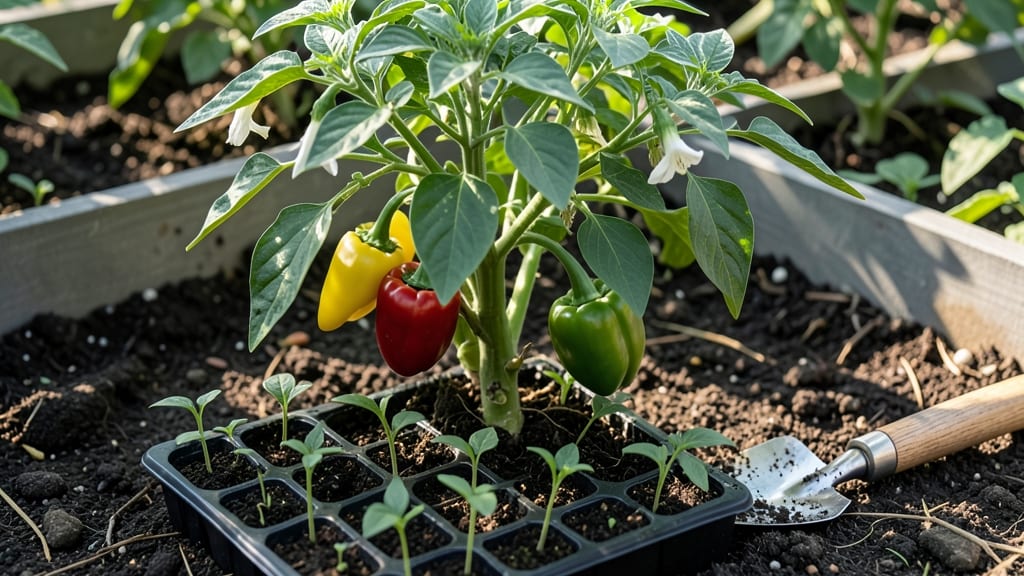
To plant bell peppers in Tennessee, aim for April 15–May 15 after the last frost or August 1–31 for a fall harvest—timing this right means the difference between a thriving garden and a failed crop.
Tennessee’s 6a–7b zones give you a long growing season, but planting too early risks frost damage, while waiting too long cuts your harvest short. I’ve seen 🌶️ bell peppers bolt in the heat or rot in cold soil—both mistakes are easy to avoid with the right schedule.
Soil temperature is the key: peppers need 60°F+ to germinate, and transplanting too soon can shock young plants. Below, I’ll break down the exact dates for your region, plus tricks to stretch your season if spring lingers or summer arrives early.
You’ll learn how to time your planting for peak flavor, avoid common pitfalls, and even squeeze in a second harvest before frost. Let’s get those peppers growing!
Tennessee planting zones: exact dates for bell pepper success
Tennessee’s USDA zones 6a-8a create ideal conditions for growing bell peppers, but precise timing prevents frost damage and maximizes yields. The last spring frost typically arrives between March 15-30, while fall frosts hit mid-November.
Your zone determines whether you can grow peppers year-round or need to stick to spring/fall plantings.
For direct sowing, wait until soil temperatures reach 60°F+—usually mid-April to early May in most zones. Transplants can go in 2-3 weeks earlier once nighttime temps stay above 50°F. Fall plantings should happen 8-10 weeks before first frost (typically by August 15).
Here’s your zone-specific planting schedule with exact dates for both spring and fall harvests:
In Zone 6a, where frosts linger later, use row covers to extend your season. For Zones 7b-8a, you can even try fall plantings as late as August 31 for a winter harvest before frost. Always test soil temps with a soil thermometer—peppers won’t germinate below 60°F.
For transplants, buy 6-8 week old seedlings from nurseries and harden them off for 7-10 days before planting. Harden by placing them outside during the day and bringing them in at night, gradually increasing their exposure. This reduces transplant shock and helps them establish faster.
If you’re direct sowing, start seeds indoors 8-10 weeks before last frost using biodegradable pots to avoid root disturbance. Use a seed heating mat to maintain 75-85°F soil temps for faster germination. Transplant seedlings outdoors after nighttime temps stay above 55°F.
Pro tip: Black plastic mulch warms soil by 10-15°F, speeding up germination and growth. Lay it down 1-2 weeks before planting to let it heat up. Pair this with drip irrigation to maintain consistent moisture—bell peppers hate soggy roots but need 1-1.5 gallons of water per week.
In Zone 8a, you can even try year-round production with greenhouse setups or row covers. Just monitor humidity levels—peppers thrive in 40-60% humidity and may develop bacterial spot if it’s too high. Use fungicide sprays preventatively if you notice dark spots on leaves.
Remember: Harvest time varies by variety—most bell peppers take 60-90 days to mature. Start checking for firm, glossy peppers in July for spring plantings or September for fall plantings. The earlier you harvest, the more your plants will produce!
How to extend your bell pepper season in Tennessee’s short growing zones
Tennessee’s USDA zones 6a-7a offer a shorter growing season than southern regions, but with the right strategies, you can extend your bell pepper harvest well into fall. The key lies in season-extending tools and smart planting techniques that protect your peppers from early frosts and late springs.
For gardeners in these cooler zones, heat-tolerant varieties like ‘Carolina Wonder’ or ‘Aristotle’ are excellent choices—they thrive in warmer temperatures and produce fruit even when nights cool down. Pair these with seasonal extensions, and you’ll enjoy peppers long after most gardens have given up.
Season-Extending Methods for Bell Peppers
Cold Frames
- Pros: Extends season by 4-6 weeks both sides, traps heat, protects from light frosts.
- Cons: Requires daily monitoring to prevent overheating, limited space for large plants.
Row Covers
- Pros: Lightweight, affordable, easy to install, allows pollination while protecting from frost.
- Cons: Reduces light by 10-15%, must be removed during hot days to prevent overheating.
Succession Planting
- Pros: Ensures continuous harvest, maximizes garden space, reduces risk of crop failure.
- Cons: Requires careful scheduling, may need greenhouse starts for late plantings.
Start by planting heat-loving varieties like ‘Carolina Wonder’ in late July or early August—this gives them enough time to mature before the first frost. Use black plastic mulch to warm the soil and retain moisture, which is critical in Tennessee’s humid summers.
For succession planting, stagger your sowings every 2-3 weeks from late May through early July. This ensures a steady supply of peppers throughout the season. Pair this with row covers or low tunnels to protect young plants from unexpected cool snaps.
Don’t overlook cold frames for a late-season boost. They’re perfect for fall harvests in zones 6a-7a, allowing you to harvest peppers until November. Just remember to ventilate daily to prevent overheating during sunny afternoons.
Finally, choose compact varieties like ‘Aristotle’ or ‘Lunchbox’—they’re better suited for container growing or small spaces. With these strategies, you’ll turn Tennessee’s shorter growing season into a pepper-producing powerhouse.