
Plants
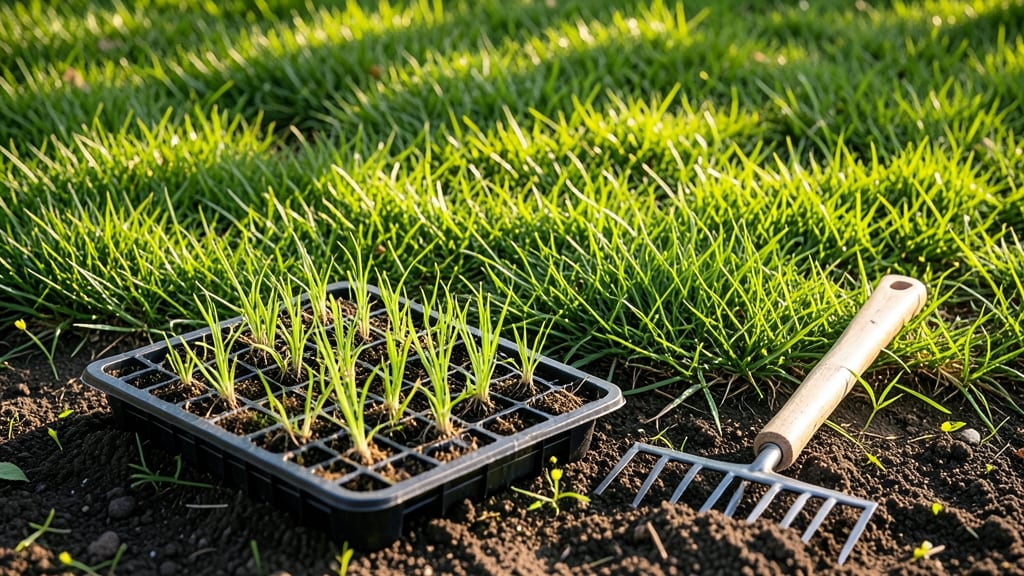
Planting Bermuda grass in Phoenix, AZ, at the right time means the difference between a lush lawn and a struggling one that never takes hold.
Phoenix’s scorching summers can turn grass planting into a high-stakes gamble—but timing is everything for Bermuda grass, the ultimate heat-resistant champion. Plant too early, and you’ll waste resources; too late, and your lawn fights for survival.
In Zone 9b, the best window is late February to early March, when soil temperatures hit 65°F and before monsoon season brings unpredictable moisture. This grass thrives in heat, but it needs a head start to beat the desert’s intensity.
Below, I break down the exact timeline, soil prep tips, and watering tricks to ensure your Bermuda grass 🌱 establishes fast—without burning through your budget or patience.
Best planting windows for Bermuda grass in Phoenix’s extreme heat
Phoenix’s 110°F+ summers demand precision when planting Bermuda grass—this heat-loving grass thrives only when planted at the perfect moment. Miss the window, and you’ll battle dormancy or slow growth. The key? Aligning with soil temperatures and monsoon timing to ensure roots establish before the heat peaks.
Unlike cool-season grasses, Bermuda grass needs warmth to germinate, but planting too early wastes resources. My rule? Wait until soil temps hit 65°F+ (typically mid-February to early March) for spring planting. Late summer (August) offers a second chance, but act fast—monsoons arrive by July and can delay germination.
Microclimates matter in Phoenix. Lower elevations (like Scottsdale) warm faster than higher areas (North Phoenix). Test soil temps with a soil thermometer—plant when it consistently reads 68°F+ at 4-inch depth. Pro tip: Shade cloth can help young seedlings if planting in April when temps spike.
Here’s the non-negotiable timeline for Phoenix: February 15–March 15 (spring) or August 1–15 (late summer). Planting after March 30 risks heat stress, while late August planting must finish before monsoon rains (which can rot seeds).
Comparison Table: Phoenix Planting Windows
Spring planting (my top recommendation) gives Bermuda grass 6–8 weeks of warm weather to establish roots before summer. Start with sod for instant coverage or seed for cost savings—but seeds need consistent moisture to sprout. Late summer planting is riskier but works if you’re overseeding a thin lawn.
Phoenix’s alkaline soil (pH 7.5–8.5) can stunt growth, so amend with sulfur or peat moss 2–3 weeks before planting. Pair this with drip irrigation to deliver 1–1.5 inches of water weekly during establishment. Morning watering (before 9 AM) prevents fungal issues.
Watch for heat stress signs like yellowing blades or wilted patches—these mean you planted too late. If this happens, reduce water slightly and mow higher (1–1.5 inches) to shade roots. Bermuda grass goes dormant in winter but rebounds fast with proper timing.
For fastest results, combine spring planting with pre-emergent herbicide in late February to block weeds. Avoid fertilizing until 4 weeks post-planting—too much nitrogen burns young roots. My go-to fertilizer? A 10-10-10 blend applied in early April.
Pro move: Test soil moisture weekly with a screwdriver. If it penetrates 3 inches easily, you’re watering enough. If not, increase frequency until roots reach 4–6 inches deep. This takes 4–6 weeks in Phoenix’s heat—patience pays off with a drought-proof lawn.
Remember: Bermuda grass isn’t just heat-tolerant—it thrives on it. Plant at the right time, and you’ll have a green, lush lawn by May, ready to handle Phoenix’s 120°F+ summers like a champ. 🌱☀️
How to prepare Phoenix soil for Bermuda grass success
Phoenix’s alkaline soil and intense sun can sabotage even the hardiest grass—but Bermuda grass thrives here if you prep the soil right. The key? Lowering pH, improving drainage, and adding nutrients to combat the high pH (7.5–8.5) that stunts root growth.
Start these steps 4–6 weeks before planting for best results.
First, test your soil’s pH level using a home kit or lab test. Aim for a target pH of 6.0–7.0—Bermuda grass struggles below 5.5 or above 8.0.
If your soil tests high, mix in sulfur or peat moss (follow package rates) to gradually acidify it. Never rush this step—fast pH changes shock roots.
⚠️ CRITICAL STEP: Clear debris and till deeply. Remove rocks, weeds, and old grass with a shovel or tiller, breaking up compacted soil to 3–4 inches deep. Compacted soil = poor drainage = Bermuda grass failure. Use a garden rake to smooth the surface afterward.
- 🌱 Step 1: Test Soil pH – Aim for 6.0–7.0 (use sulfur if too high)
- 💧 Step 2: Amend with Compost – Mix 2–3 inches of compost into top 6 inches
- ☀️ Step 3: Add Gypsum – 10–20 lbs per 100 sq ft for clay-heavy soil
- ✂️ Step 4: Level & Rake – Create a smooth, sloped surface for water runoff
- 🌿 Step 5: Pre-Water 24 Hours – Soak soil to 6 inches deep before seeding
Next, enrich the soil with organic matter. Spread 2–3 inches of compost or well-rotted manure over the area, then till it into the top 6 inches of soil.
For clay-heavy Phoenix soil, add gypsum (10–20 lbs per 100 sq ft) to improve drainage without altering pH. Avoid fresh manure—it burns tender Bermuda grass roots.
Don’t skip the final leveling step. Use a lawn roller or hand tamper to create a firm, even surface with a 1–2% slope for water runoff.
Bermuda grass hates standing water, so ensure no low spots where moisture pools. Mark your work area with wooden stakes to avoid disturbing the soil before planting.
Schedule your pre-planting irrigation carefully. Water the amended soil 24 hours before seeding to a depth of 6 inches. This ensures seeds land in moist soil, boosting germination rates to 90%+.
Use a moisture meter to verify—dry soil = failed germination. After planting, keep the top 1 inch of soil consistently moist (not soggy) for the first 2–3 weeks.
With these steps, your Phoenix soil will be Bermuda-grass-ready—draining, nutrient-rich, and at the perfect pH. Now you’re set for that March–April planting window when temperatures and soil warmth align perfectly for rapid growth.
Just remember: patience pays off—skipping soil prep is the fastest way to a patchy, struggling lawn. 🌱