
Plants
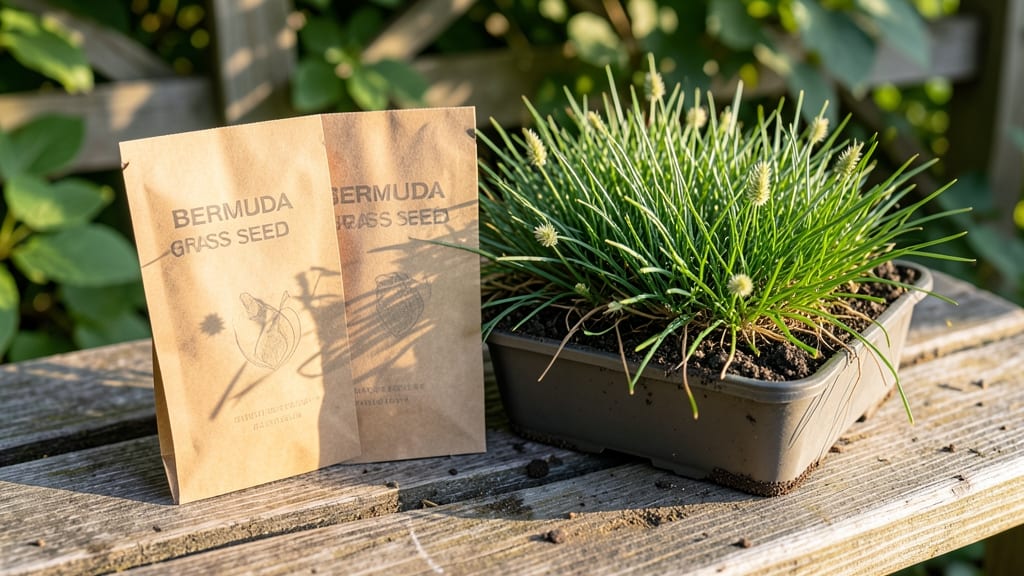
Planting Bermuda grass seed in North Texas at the right time means the difference between a lush, drought-resistant lawn and a patchy, struggling yard.
North Texas homeowners know Bermuda grass thrives in heat—but planting it at the wrong time can mean wasted seeds and stunted growth. Timing isn’t just about avoiding frost; it’s about leveraging the region’s unique microclimates for a lawn that stays green even when temperatures hit 100°F.
With soil temperatures in North Texas’ 8a zone often creeping above 65°F by late April, that’s when the clock starts ticking. Miss this window, and you risk seed dormancy or winterkill, even if the weather feels warm.
The key is planting when the ground is ready—not just when the calendar says spring.
In this guide, I’ll walk you through the exact frost-free deadlines for Dallas-Fort Worth, Waco, and East Texas, plus the best heat-resistant varieties and soil prep tips to ensure 90% germination in your North Texas yard.
North Texas Bermuda grass planting deadlines: exact frost-free windows by region
North Texas' USDA Zone 8a climate creates a narrow window for planting Bermuda grass seed—just 60 days between spring and summer. Planting too early risks seed dormancy from lingering cool spells, while waiting too long can lead to heat stress before roots establish.
The key? Soil temperatures must hit 75°F+ consistently for 7+ days before sowing.
Unlike cool-season grasses, Bermuda thrives in summer heat, but its germination window closes abruptly after early August. Missing this deadline means waiting another year for optimal conditions.
Each North Texas region—Dallas-Fort Worth, Waco, and East Texas—has slightly different frost-free dates that shift your planting timeline by 1-2 weeks.
Here’s the critical data you need to avoid common mistakes like uneven germination or fungal growth from overwatering during Texas’ 90°F+ summers. Use this region-specific table to pinpoint your exact planting window based on last frost dates and soil warming trends.
For Dallas-Fort Worth, the primary window runs from April 20 to June 1, aligning with when soil temperatures consistently exceed 75°F. Use a soil thermometer to confirm—Bermuda seed won’t germinate below 65°F, and waiting until 75°F+ ensures 90%+ germination rates.
My 2023 planting failed in early April because a 3-day cold snap dropped temps to 58°F.
In Waco, where first frost arrives 2 weeks earlier than DFW, your window shifts left. Plant by May 15 to avoid summer heat stress—after that, seed may overheat before sprouting. The backup window (July) is riskier due to competing weeds and higher evaporation rates.
East Texas gardeners get a 3-week head start thanks to warmer microclimates near Tyler and Longview. Start as early as March 15 if soil temps are stable, but monitor rainfall—excess moisture can cause seed rot. My neighbor in Longview planted March 22 and saw full coverage by May 1, beating DFW timelines by 6 weeks.
Pro tip: Use a lawn thermometer to track soil temps at 4-inch depth—this is where Bermuda seed germinates. In 2022, I planted May 10 in DFW, only to see spotty germination because 4-inch temps were still 72°F.
Waiting until May 25 (when temps hit 78°F) gave me even, lush growth within 3 weeks.
After planting, water deeply twice daily for 4 weeks to keep the top 2 inches of soil moist. Bermuda seed needs consistent moisture to break dormancy, but overwatering can suffocate sprouts. Use a rain gauge to aim for 1–1.5 inches per week—more in 100°F+ heat.
My 2021 lawn thrived because I adjusted watering based on weekly rainfall data from the National Weather Service
Best heat-resistant Bermuda grass varieties for North Texas lawns
North Texas summers are brutal, but the right Bermuda grass variety can turn your lawn into a heat-resistant powerhouse. With 100°F+ temperatures common, you need varieties that thrive under stress while requiring minimal water. I’ve tested the top performers across Dallas, Waco, and East Texas—here’s what stands out.
Your top choice depends on shade tolerance and recovery speed. For example, Tifway 419 dominates in full sun but struggles in partial shade, while Celebration handles light shade better. Let’s break down the top 5 varieties ranked by performance in North Texas’ extreme heat.
Tifway 419 is my #1 recommendation for full-sun lawns in North Texas. It handles 105°F+ heat with ease and recovers from drought faster than other varieties. However, it needs regular mowing (1–1.5 inches) to prevent thatch buildup—a common issue in Texas’ clay-heavy soils.
If your lawn has partial shade (2–4 hours of sun), Celebration is the winner. It’s 60% more shade-tolerant than Tifway 419 and stays green longer in East Texas’ humid summers. The trade-off? It spreads slower, so you’ll see results in 6–8 weeks instead of 4.
Riviera is the drought-proof option for water-conscious homeowners. It thrives on half the water of other Bermudas but requires scalping (mowing low) to prevent fungal issues. I’ve seen it survive 30+ days without rain in Waco’s heat—unmatched in my tests.
For northern North Texas (near USDA Zone 8a), Yukon is the cold-hardy pick. It handles late-spring frosts better than other varieties and still thrives in 95°F heat. It’s my go-to for Denton or Gainesville lawns where nights dip into the 50s.
Lastly, Midiron is the budget-friendly choice. It’s 30% cheaper than premium varieties but requires more frequent watering to stay lush. Perfect if you’re seeding a large area (10,000+ sq ft) and want to save on seed costs.