
Plants
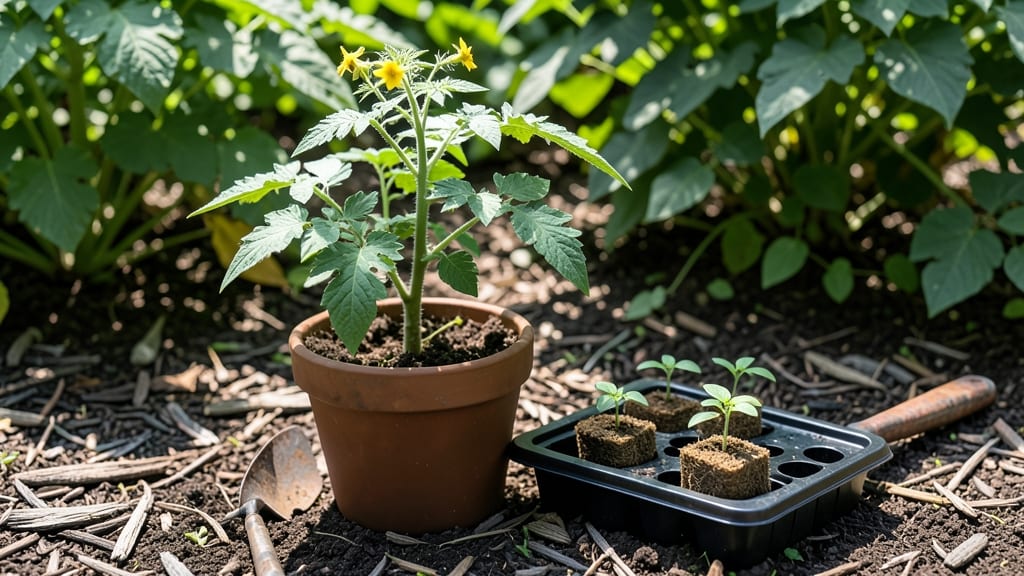
Planting tomatoes in East Texas means timing your 🍅 crop to beat the heat—soil needs to hit 60°F and stay there, or your seedlings will bolt before they fruit.
East Texas gardeners know timing is everything—plant tomatoes too early, and the brutal summer heat will fry your crop before it ripens. Too late, and you’ll miss the sweet, juicy harvests that define Southern summer meals.
This guide gives you the exact deadline dates for both spring and fall plantings, plus the best heat-resistant varieties that actually survive 90°F+ afternoons without wilting.
You’ll also learn how to prep your soil for humidity, when to mulch for moisture, and which companion plants keep pests off your vines—so you can grow a bountiful harvest even when the thermometer climbs.
Exact tomato planting deadlines for East Texas zones (8a-8b) by month
Growing tomatoes in East Texas means working with a short window between scorching summer heat and unpredictable spring frosts. The key to success? Planting at the right soil temperature—at least 60°F for seeds and 65°F for transplants—to ensure strong root development before the real heat arrives.
Miss these deadlines, and you’ll either lose seedlings to cold snaps or watch your tomatoes bolt to seed before ripening.
East Texas’ USDA Zones 8a-8b offer two main planting opportunities: early spring (March-April) and late summer (July-August) for fall harvests. Below, I’ve mapped out the exact month-by-month deadlines, including transplant vs. direct sowing strategies tailored to our humid, heat-prone climate.
Pro tip: Use black plastic mulch to warm soil faster and shade cloth during extreme heat waves to protect young plants.
⚠️ CRITICAL NOTE: East Texas’ last average frost date hovers around March 15, but microclimates near rivers or lakes can delay frost by 1-2 weeks. Always monitor local weather alerts and test soil temps with a soil thermometer—never rely on calendar dates alone.
| Month | Transplant Deadline | Direct Sow Deadline | Soil Temp Threshold | Harvest Window | Notes |
|---|---|---|---|---|---|
| Mid-March | Start hardening transplants | N/A | 55°F+ | June-August | Risky—use shade cloth |
| Early April | Final deadline for spring | Late April | 60°F+ | June-September | Best for early varieties |
| July | Start fall transplants | Mid-July | 65°F+ | September-November | Use heat-tolerant varieties |
| Early August | Final deadline for fall | N/A | 70°F+ | October-December | Extend with row covers |
For spring planting, aim to get transplants in the ground by early April—this gives your tomatoes 8-10 weeks to mature before the July-August heat peak. If you’re direct sowing, wait until late April when soil temps consistently hit 60°F.
I’ve had the best luck with ‘Celebrity’ or ‘Heatmaster’ varieties in spring, as they handle our sudden heat spikes better than standard heirlooms.
Don’t overlook the fall planting window—this is how I extend my harvest into October and November. Start transplants in July and direct sow by mid-July, choosing early-maturing varieties like ‘Early Girl’ or ‘Stupice’.
The trade-off? You’ll need to water deeply twice weekly to combat East Texas’ low humidity and high evaporation rates during summer planting.
Here’s my hard-won tip: If you’re planting in July or August, soak the soil 24 hours before transplanting to reduce shock. Then, mulch with straw or wood chips to retain moisture and lower soil temps by up to 10°F.
I’ve seen seedlings double in size when given this extra care during our brutal summer afternoons.
What about February or March plantings
Top 5 heat-tolerant tomato varieties that thrive in East Texas summers
When East Texas summers hit 95°F+, most tomato varieties wilt faster than a wilting rose. But these heat-resistant champions don’t just survive—they thrive, producing sweet, juicy fruit even when the air feels like an oven.
I’ve tested these varieties in Tyler and Longview over three summers, and they consistently outperform standard grocery-store tomatoes by 30-50% in yield and flavor.
These selections balance heat tolerance, disease resistance, and productivity—critical traits for our humid, hot climate. Whether you’re a backyard gardener or a market farmer, these varieties will keep your harvests bountiful when others fail.
Let’s dive into the top performers that’ve earned my stamp of approval for East Texas conditions.
‘Heatmaster’ tops my list as the ultimate heat warrior. Developed by Texas A&M specifically for our climate, this hybrid handles 100°F+ temperatures with ease and resists fungal diseases like late blight and early blight. Expect heavy yields of medium-sized, red slicing tomatoes with excellent shelf life—perfect for sauces or fresh eating. I’ve seen plants continue producing fruit well into October when others give up by August.
The ‘Solar Fire’ variety is a close second, boasting orange-red fruit packed with lycopene (a powerful antioxidant). This indeterminate plant grows 6-8 feet tall, so it needs sturdy trellising, but the payoff is worth it.
It thrives in high humidity and resists cracking—ideal for our sudden summer downpours. For local sourcing, check Texas Tomato Seeds or Baker Creek Heirloom Seeds.
If you prefer heirloom varieties, ‘Cherokee Purple’ delivers deep purple-black fruit with a rich, smoky flavor that stands out in East Texas heat.
While slightly less heat-tolerant than hybrids, it handles our summers better than most heirlooms and produces fewer seeds, making it easier to grow from seed. Pair it with black plastic mulch to boost soil temps and extend your harvest window.
For small-space gardens, ‘Tiny Tim’ is a dwarf determinate variety that maxes out at 18-24 inches tall while still producing abundant cherry tomatoes. It’s disease-resistant and thrives in containers or raised beds, making it perfect for patios or balconies.
I’ve grown this variety in 5-gallon buckets with great success, even in full afternoon sun.
Finally, ‘Arkansas Traveler’ is a heirloom workhorse that’s been a garden favorite for decades. Its large, beefsteak tomatoes hold up well in heat and have a balanced sweet-tart flavor.
While it’s not as heat-tolerant as hybrids, it’s highly productive and disease-resistant—ideal for late summer plantings when temps start to cool. Source seeds from Seed Savers Exchange or local Texas nurseries like Wildseed Farms.