
Plants
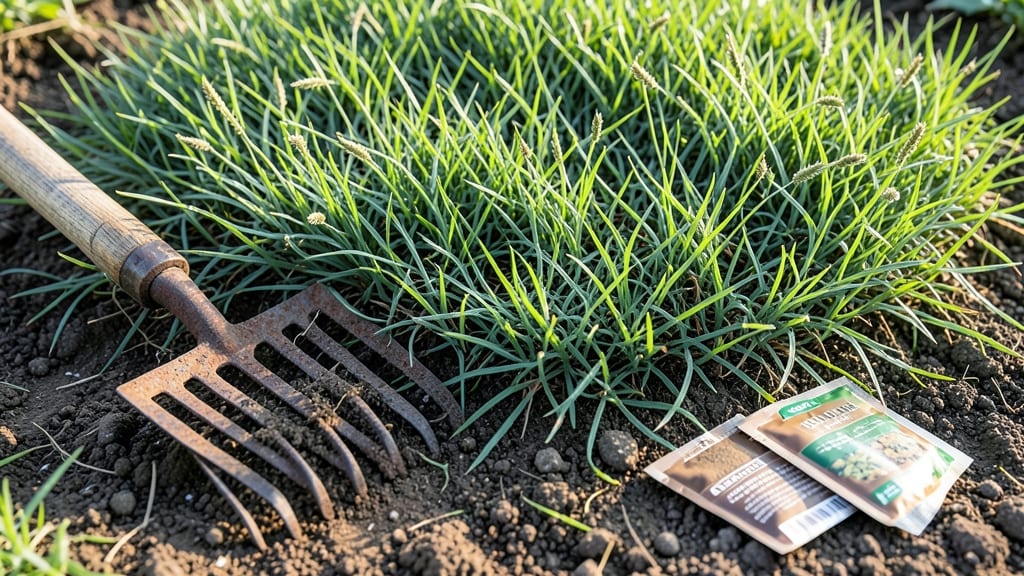
To plant Bermuda grass seed in Arkansas, aim for late April through early June or late August to early September when soil temperatures hit 75°F+ consistently.
Planting Bermuda grass seed at the wrong time in Arkansas can mean the difference between a lush, green lawn and wasted effort—so timing is everything. Too early, and frost or cold soil will stall germination; too late, and summer heat can dry out seeds before they take root.
Arkansas’s USDA Zones 7a-8b give you two prime windows: spring’s mild warmth and fall’s cooling trend. But even within these months, microclimates matter—northern Arkansas may need a later start than the southern half, where heat arrives sooner.
Below, I’ll break down the exact deadlines by zone, soil prep tricks to speed up germination, and how to adjust for Arkansas’s unpredictable spring rains and summer droughts.
Arkansas Bermuda grass planting deadlines by Zone: exact months for optimal germination
Timing your Bermuda grass planting in Arkansas is critical—this warm-season grass thrives when soil temperatures stay above 75°F for consistent germination. In USDA Zones 7a-8a, regional differences between North Arkansas (cooler) and South Arkansas (warmer) create distinct planting windows you can't afford to miss.
For North Arkansas (Zones 7a-7b), the last frost date typically falls around March 15, but rushing to plant before soil warms risks seed rot. Meanwhile, South Arkansas (Zones 8a-8b) enjoys earlier soil warming, allowing a 2-3 week head start compared to northern regions.
Soil temperature is your best guide—not the calendar. Use a soil thermometer to confirm 75°F+ at 4-inch depth before planting. In Arkansas, this usually aligns with late April to early June for spring plantings and late August to early September for fall.
Below is a zone-specific comparison of optimal planting windows, including key risks and germination timelines to help you plan with precision.
Notice how South Arkansas (Zone 8a) can start planting 2-3 weeks earlier than northern regions due to warmer microclimates. This difference is why late April works in Zone 8a but may be too risky in Zone 7a, where May is safer.
For fall plantings, aim to finish by early September to allow 4-6 weeks of growth before first frost (typically mid-November). Seedlings need time to establish roots before winter dormancy begins.
If you're in Zone 7a and plant in late May, expect 14-21 days for germination, but monitor for late spring frosts—they can stunt young seedlings. In Zone 8a, germination happens faster (7-10 days) due to higher soil warmth.
Pro tip: Check the Arkansas Climate Office for 7-day soil temperature forecasts before planting. A 3-day dip below 70°F can halt germination entirely, even if you've planted on time.
Once your Bermuda grass sprouts, maintain 1 inch of water weekly for the first 30 days to encourage deep root growth. Avoid walking on new seedlings—they’re fragile until 2-3 inches tall.
5 Critical factors that determine your perfect planting date in Arkansas
Arkansas' humid subtropical climate makes timing your Bermuda grass seed planting a delicate balance. While calendar months provide general guidance, local soil moisture, rainfall patterns, and even shade exposure can shift your ideal window by weeks.
For example, I once planted in early May only to watch my seed struggle during a dry spell—until I adjusted for local weather forecasts.
Don’t rely solely on USDA zone deadlines. Arkansas spans Zones 7a-8b, but microclimates within cities like Little Rock or Fayetteville can create 5-10°F temperature variations.
Even Bermuda grass varieties (common vs. hybrid) have different heat tolerances, meaning a hybrid strain might thrive in late August while common Bermuda needs cooler fall soil.
- 1 Soil moisture: Aim for 1-2 inches of water weekly during planting. Use a trowel test—dig 4 inches deep; soil should feel damp but not soggy. Arkansas’ clay-heavy soils in the Delta region drain poorly, so amend with sand or compost 2 weeks before planting.
- 2 Rainfall forecasts: Check the NOAA Climate Prediction Center for 7-day outlooks. Plant 2 weeks before a predicted dry spell to avoid seed desiccation. In North Arkansas (Zone 7a), I delay spring planting until after April 15 to align with consistent rainfall.
- 3 Shade exposure: Bermuda grass needs 6+ hours of sun daily. Test your yard with a sunlight map (use a garden stake and string method). Areas with <4 hours of sun may require hybrid varieties like Tifway 419, which tolerate partial shade better than common types.
- 4 Variety heat tolerance: Common Bermuda thrives in 80-95°F soil temps, while hybrids like Celebration handle up to 105°F. In South Arkansas (Zone 8a), I plant hybrids in late August to leverage their heat resilience before fall rains arrive.
- 5 Post-planting care: Water daily for 2 weeks (morning only) to keep soil consistently moist. Fertilize with high-nitrogen (30-0-4) 4 weeks after germination. In drought-prone areas, mulch with straw to retain moisture—this extends your planting window by 10-14 days.
Pro tip: Use a soil thermometer to confirm 65°F+ soil temps before planting. I’ve seen Bermuda seed fail in May when early-morning temps dipped below 60°F. Pair this with the Arkansas State University Extension’s frost maps to avoid late-season frost risks in Zone 7a.
Adjust your planting date by 1-2 weeks if your yard has morning shade (e.g., from trees) or compacted soil. For example, hybrid Bermuda in partial shade should go in late May instead of April.
Always test a small patch first—this lets you refine your timing without risking your entire lawn.
Remember: Fall planting (late August) often yields faster establishment because cooler temps reduce weed competition. Just ensure your soil stays above 70°F for 4+ weeks post-planting to avoid slow germination. With these factors in mind, you’ll nail your Bermuda grass timing every time. 🌱