
Plants
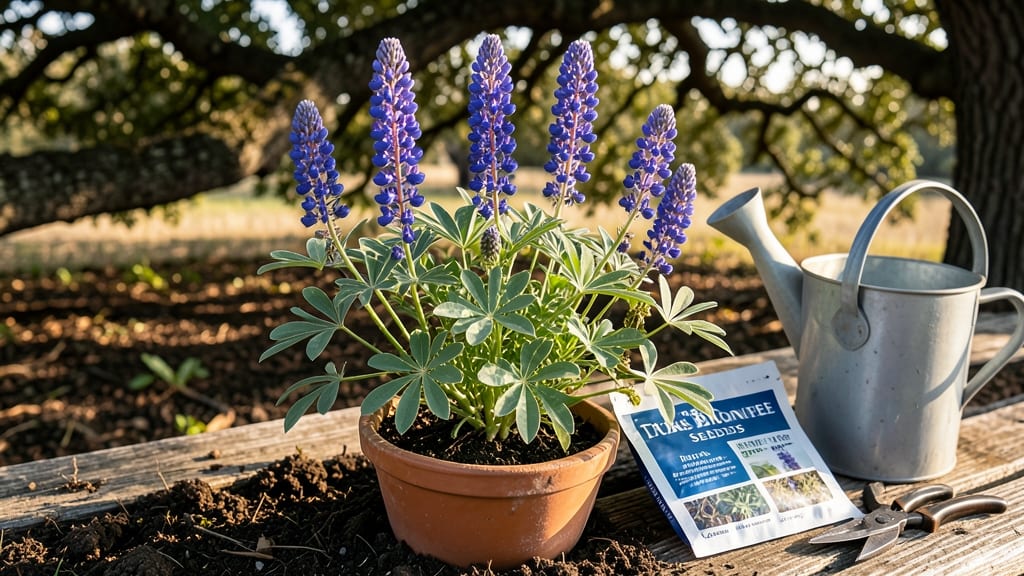
Planting bluebonnets in North Texas between late September and early November sets the stage for a stunning spring display 🌸—but miss that window, and you’ll be waiting another year for those iconic blue blooms.
North Texas gardeners know the magic of bluebonnets—those stunning blue wildflowers that transform landscapes—but timing your planting wrong can mean waiting another year for their breathtaking display.
In USDA zones 7b-8a, cool fall soil temperatures and consistent moisture are the keys to germination. Too early, and seeds may rot; too late, and frost can kill them before they take root.
Below, I’ll break down the perfect planting schedule, soil prep tips, and how to handle North Texas’ variable microclimates—so your bluebonnets thrive from seed to spring bloom.
Best planting months for bluebonnets in North Texas: a seasonal breakdown
Bluebonnets (Lupinus texensis) are North Texas' iconic wildflowers, but their success depends entirely on planting timing. Unlike many plants, bluebonnets thrive when sown in fall, not spring—this lets them establish roots before winter dormancy.
I’ve planted mine for years in Dallas, Fort Worth, and Waco, and the difference between a perfect spring bloom and a sparse display comes down to months and soil temperatures.
The key window for planting is late September through early November, when soil temps hover between 60-70°F—ideal for germination. This timing ensures seeds sprout before first frost (usually mid-November in most of North Texas) and gives seedlings time to develop before winter.
Planting too early (August) risks overheated soil and pre-emergence rot, while late November plantings may not establish before cold snaps.
Here’s how timing varies by region: Dallas and Fort Worth (USDA Zone 8a) have slightly longer growing seasons, allowing plantings up to early December in mild winters. Meanwhile, Waco (Zone 8a/b border) benefits from October plantings to avoid early frost risks.
Always check your local first frost date—aim to plant at least 6-8 weeks before it arrives.
Spring planting (February-March) is possible but not recommended—seeds may bloom the same year, but yields are 30-50% smaller than fall plantings. I’ve tried it in Waco’s alkaline soils, and while it works, the color intensity fades compared to fall-sown flowers. For maximum impact, stick to fall.
North Texas’ alkaline soils (pH 7.5-8.5) and variable rainfall add complexity. After planting, lightly rake seeds into soil (¼ inch deep) to ensure contact with moisture. Avoid overwatering—bluebonnets hate soggy soil—but keep the area consistently moist for the first 4-6 weeks to encourage sprouting.
A drip irrigation system set to shallow watering works best.
One common mistake? Planting too deeply. Bluebonnet seeds need light to germinate, so cover them with no more than ¼ inch of soil. I’ve seen gardeners bury seeds ½ inch deep, and germination drops by 70%.
For large areas, use a broadcast spreader and lightly till the top layer afterward. In urban Dallas, I’ve even planted mine in median strips with great success—just ensure the soil isn’t compacted.
Watch for voles and birds, which love fresh bluebonnet seeds. A light mulch layer (straw or pine needles) deters pests while retaining moisture. In Fort Worth’s clay-heavy soils, I’ve added composted leaves to improve drainage—critical for preventing root rot during North Texas’ unpredictable winters.
Always test your soil’s drainage first: dig a 6-inch hole, fill it with water, and time how long it takes to drain. If it’s slower than 4 hours, amend with sand or perlite.
Finally, patience is key. Bluebonnets may take
How to prepare your soil and site for bluebonnet success in North Texas
Before scattering those bluebonnet seeds, your North Texas soil and site need special attention. The alkaline clay soils common here can stunt growth, while poor drainage or shade will leave you with sparse blooms. With the right prep, you'll create the perfect conditions for vibrant blue carpets next spring.
Start by choosing a sun-drenched location—bluebonnets demand 6+ hours of sunlight daily. Avoid low spots where water pools, as these flowers hate soggy roots. If your yard has heavy clay, amend it with organic matter like compost or aged manure to improve drainage and aeration.
⚠️ callout warning
⚠️ Critical Timing Alert for North Texas
Don't plant too early! Bluebonnets need cool soil temps (60-70°F) to germinate. Planting in late September or October gives seeds time to establish roots before winter. Early fall plantings (mid-August) risk premature germination and weak seedlings when frost hits.
Pro Tip: Test soil temps with a soil thermometer—ideal range is 60-70°F at 2-inch depth.
North Texas soils often test alkaline (pH 7.5-8.5), which bluebonnets tolerate but don't thrive in. To lower pH slightly, work in sulfur or peat moss (apply 2-3 months before planting). Aim for a slightly acidic to neutral pH (6.0-7.0)—this boosts nutrient uptake and bloom production.
For drainage solutions, consider raised beds if your yard floods after rain. Even a 6-inch bed improves airflow and prevents root rot. Mix in coarse sand or perlite to break up clay while maintaining moisture retention—bluebonnets need consistent but not soggy conditions.
Companion planting enhances success. Pair bluebonnets with wheatgrass or rye as temporary ground covers to suppress weeds and retain moisture. Avoid planting near aggressive grasses like Bermuda, which will outcompete your wildflowers. A 3-foot buffer from trees ensures they get full sun.
After prep, scatter seeds lightly (1/4 lb per 1,000 sq ft)—they need sunlight to germinate. Press them into soil (no deeper than 1/4 inch) and water gently.
Mulch with straw or pine needles to protect seeds from winter winds and erosion. With proper site prep, you'll see germination in 10-30 days and blooms by spring.