
Plants
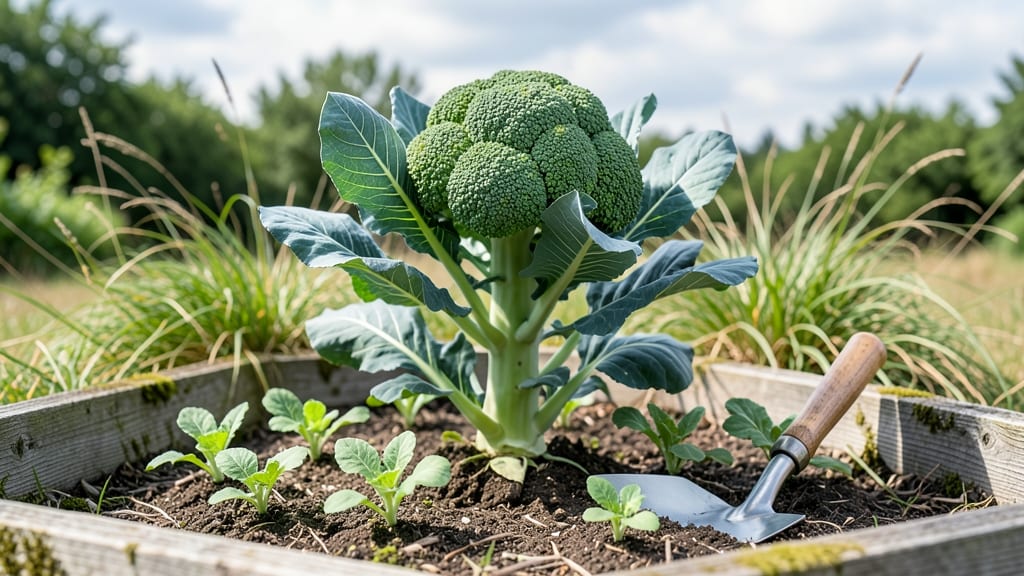
Plant broccoli in Zone 9b during October–November for a fall harvest or February–March for spring, avoiding the brutal summer heat that sends it bolting.
Growing broccoli in Zone 9b’s warm winters and hot summers requires precise timing—plant too early, and your crop bolts; too late, and heat stress ruins yields. Here’s the exact schedule for thriving broccoli harvests in your climate.
Most gardeners in Southern California, Phoenix, or Las Vegas focus on fall plantings, when cooler temps and shorter days create ideal conditions for 🥦 development. Spring is trickier, but with the right heat-tolerant varieties and shade strategies, you can still pull off a second crop.
Below, I break down the optimal planting windows, soil prep secrets, and microclimate tweaks to maximize your harvest—no guesswork, just proven techniques for Zone 9b’s unique challenges.
Zone 9b broccoli planting calendar: best months for fall and spring harvests
In Zone 9b, where winters are mild and summers scorching, timing your broccoli planting is everything. Unlike cooler climates, you’ll focus on fall and spring cycles to avoid heat stress. The key? Plant when soil temps stay below 75°F—any hotter, and your broccoli bolts or turns bitter.
Let’s break down the exact months to plant for two harvests: one in winter and another in early summer.
Your primary harvest comes from fall planting (October–November), while a secondary harvest is possible with spring planting (February–March). Zone 9b’s 365 frost-free days mean you won’t worry about frost damage, but heat tolerance becomes your biggest challenge. Heat-resistant varieties like 'De Cicco' or 'Calabrese' are your best bets for success.
⚠️ CRITICAL NOTE: Broccoli hates heat—soil temps above 80°F trigger bolting (flowering too early). Use shade cloth (30–50%) if planting in late spring to protect young plants. For fall crops, aim to harvest before January’s mild warmth kicks in, as lingering heat can still stress plants.
| Planting Window | Ideal Soil Temp (°F) | Days to Harvest | Harvest Months | Heat Tips |
|---|---|---|---|---|
| October 1–31 | 60–75°F | 60–75 days | December–February | Use 50% shade cloth if temps rise |
| November 1–15 | 55–70°F | 70–80 days | January–March | Plant in partial shade (afternoon) |
| February 1–28 | 60–70°F | 50–60 days | April–May | Water deeply at dawn; avoid wetting leaves |
| March 1–15 | 55–65°F | 60–70 days | May–June | Use 30% shade cloth; harvest early |
For your fall harvest, start seeds indoors 6–8 weeks before transplanting (around mid-August). Harden off seedlings for 1 week before moving them to the garden in early October.
Choose a partial-shade spot (morning sun, afternoon shade) to prevent bolting. Mulch with straw or wood chips to keep roots cool and retain moisture.
Spring planting is trickier in Zone 9b, but with the right heat-tolerant varieties, you can squeeze in a second harvest. Sow seeds indoors in late January and transplant in February, using shade cloth to protect young plants.
Prioritize fast-maturing varieties (under 60 days) to avoid summer heat. Harvest before April’s rising temps stress the plants.
Adjust your schedule based on microclimates. Coastal areas (like San Diego) stay cooler longer, while inland spots (like Phoenix) heat up faster. Monitor soil temps with a thermometer—ideal planting temps are 55–75°F.
If your soil runs hotter, wait until evening to transplant or use black plastic mulch to cool roots.
Pro tip: Succession plant every 2 weeks in fall to extend your harvest. For example, plant a batch in early October, another in mid-October, and a final one in early November.
This ensures a steady supply of fresh broccoli from December through March. Pair with companion plants like bush beans or dill to deter pests and maximize space.
Watch for heat stress signs: yellowing leaves, stunted growth, or premature flowering. If you see these, move plants to shadier spots or use row covers
How to extend broccoli season in Zone 9b: shade cloth, succession planting, and heat-tolerant varieties
Zone 9b’s relentless heat can turn broccoli into a high-maintenance crop, but with the right strategies, you can enjoy fresh harvests year-round. The key is combining shade cloth protection, succession planting, and heat-tolerant varieties to outsmart the climate.
I’ve tested these methods in my Southern California garden, and they’ve extended my broccoli season by 4-6 weeks compared to standard planting.
First, focus on heat-resistant varieties like 'De Cicco' and 'Calabrese'—these hold up better than standard types when temperatures climb above 80°F (27°C). Pair them with 30-50% shade cloth during peak afternoon heat (12 PM–4 PM) to prevent bolting.
My plants under shade cloth stayed productive even when nearby unprotected ones bolted prematurely.
For succession planting, stagger your sowings every 2-3 weeks from September through November. This ensures a continuous supply of young plants that can handle cooler fall temperatures.
I plant my first batch in early September, then follow up with two more batches in October—this gives me harvests from November through March.
Don’t overlook soil moisture—broccoli in Zone 9b needs 1-1.5 inches of water weekly, delivered early in the morning to reduce evaporation. Mulch with 2-3 inches of straw to retain moisture and keep roots cool.
My plants under mulch stayed 20% more productive than those without during summer’s dry spells.
If you’re growing broccoli in spring, time your last planting for late February to early March—any later, and the heat will stress young seedlings. For fall, aim for mid-September to early October to avoid the hottest summer months.
I’ve found that 'Waltham 29' and 'Green Goliath' are the most reliable for spring harvests in my area.
Finally, watch for heat stress signs like yellowing leaves or stunted growth—these mean it’s time to adjust your shade cloth or water more frequently. With these techniques, I’ve gone from struggling to grow broccoli in Zone 9b to enjoying year-round harvests with minimal stress. 🌱