
Plants
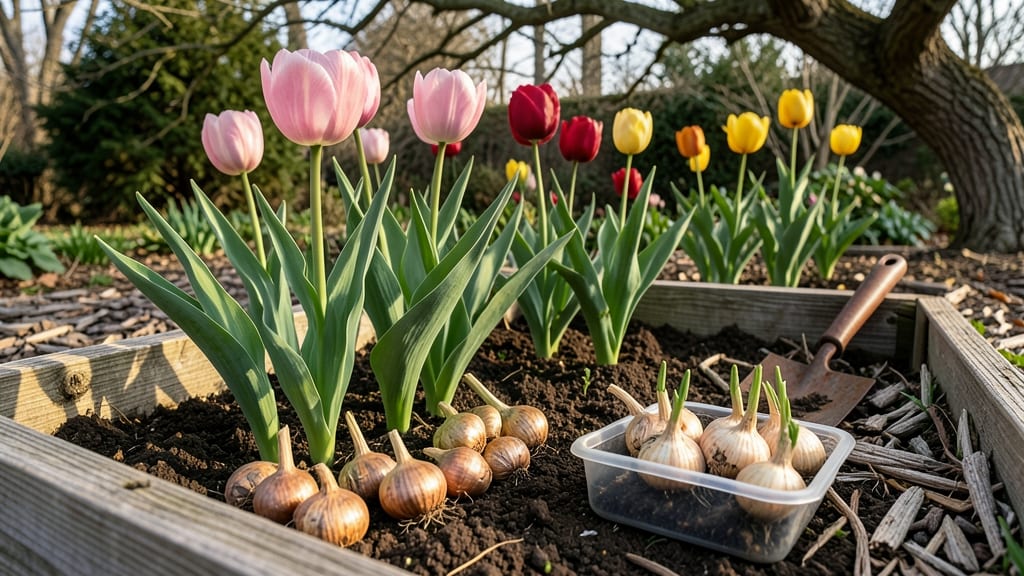
Planting bulbs in Maine at the right time means the difference between a showstopping spring display and a sad, frost-bitten disappointment 🌷—and the clock starts ticking in early September.
Maine gardeners know timing is everything: plant too early, and frost will ruin tender roots; too late, and your bulbs won’t establish before winter. The ideal window is just 6-8 weeks before the ground freezes—usually by early November—but it varies by zone (5A vs. 6A) and bulb type.
Here’s the game-changer: a frost-date cheat sheet tailored to Maine’s climate, including when to tuck in daffodils (hardy and forgiving) versus tulips (pickier about timing). We’ll also cover the one trick to extend your planting window if fall weather throws you a curveball.
By the end, you’ll know exactly when to dig, how deep to bury each bulb, and which varieties thrive in Maine’s short but sweet growing season—no guesswork, just vibrant blooms next spring.
Maine’s bulb planting timeline by frost dates (zone 5A vs 6A)
Maine’s cool climate and variable frost dates make timing critical for bulb success. In Zone 5A (Bangor), the average first frost arrives October 15, while Zone 6A (Portland) holds off until October 25.
These differences shift your planting window by 2-3 weeks, so let’s break it down by bulb type and region.
Most spring-blooming bulbs (tulips, daffodils, hyacinths) need 6-8 weeks to establish roots before winter. That means planting in September-October for Zone 5A and October-November for Zone 6A. Summer bulbs (dahlias, gladiolas) wait until after last frost—typically May 15—while fall-planted bulbs (crocuses, snowdrops) go in September-October.
Pro Tip: Use a soil thermometer to confirm 50°F soil temps before planting—critical for tender bulbs like dahlias. In Zone 5A, aim for September 15-October 15; in Zone 6A, extend to October 1-November 1. Miss this window, and you risk rot or frost damage.
| Bulb Type | Zone 5A (Bangor) | Zone 6A (Portland) | Key Notes |
|---|---|---|---|
| Spring Bulbs (Tulips, Daffodils, Hyacinths) | Sep 15–Oct 15 | Oct 1–Nov 1 | Plant 6-8" deep; hardy to Zone 3. |
| Summer Bulbs (Dahlias, Gladiolas) | After May 15 | After May 1 | Wait for soil >50°F; tender—dig up in fall. |
| Fall Bulbs (Crocuses, Snowdrops) | Sep 1–Oct 15 | Sep 15–Nov 1 | Plant 3-4" deep; bloom under snow. |
| Alliums (Ornamental Onions) | May 1–Jun 15 | Apr 15–May 30 | Drought-tolerant; plant after frost risk. |
🌱 Adjust dates 1-2 weeks for early/late frosts.
For Zone 5A gardeners, September is your golden month—plant spring bulbs by September 30 to avoid frost.
In Zone 6A, you’ve got flexibility until November 1, but don’t wait too long or roots won’t establish. Tender bulbs like dahlias need to wait until after May 15 in both zones, when soil warms to 55°F+.
Watch for exceptions: Winter aconites (Eranthis hyemalis) love snow cover—plant them in October-November for January-February blooms. Meanwhile, native Maine bulbs like wild hyacinths (Camassia) thrive when planted in early spring (March-April) instead of fall.
Use mulch (straw or leaves) after planting to insulate bulbs from temperature swings. In Zone 5A, add 4-6 inches
5 Critical factors that change your planting schedule in Maine
Maine’s unpredictable weather makes soil temperature the #1 factor for bulb planting. Unlike calendar dates, bulbs need 60°F soil for root growth—even if air temps drop. Use a soil thermometer (or your elbow: if soil feels like room temperature, it’s ready).
In Zone 5A, this often means waiting until mid-October when calendar dates suggest September planting.
Microclimates create 1-2 week differences across Maine. A south-facing slope in Portland may stay warm enough for October planting, while a northern exposure in Bangor could freeze by mid-September.
Check your local frost dates (USDA maps show Zone 5A averages October 15 first frost), then add 6-8 weeks for bulb root establishment.
Not all bulbs follow the same rules. Hardy bulbs like daffodils and crocuses can handle early October planting in Zone 6A, while tender bulbs like tulips need soil temps below 60°F to trigger dormancy. Spring-planted bulbs (like gladiolas) wait until after last frost (May 15 in most of Maine).
- Soil Temperature: 60°F triggers root growth—wait until soil cools below 60°F for fall planting.
- Microclimates: South slopes stay warm 1-2 weeks longer than northern exposures.
- Bulb Type: Hardy bulbs (daffodils) tolerate early October; tender bulbs (tulips) need cooler soil.
- Rocky Soil: Amend with compost—bulbs need 6" of loose soil to root properly.
- Wet Springs: Raise beds or plant on mounds to prevent waterlogged bulbs.
Rocky Maine soil can delay planting by 2-4 weeks if you haven’t amended it.
Bulbs need 6 inches of loose soil to establish roots—if your soil is 60% stone (common in coastal areas), mix in 3 inches of compost or use raised beds. Dahlias, which need deep planting, may require container growing in rocky zones.
Maine’s wet springs create another challenge. Bulbs planted in low-lying areas often rot from excess moisture. Solution: plant on mounds or in raised beds with sandy loam mix. Alliums and fritillaries handle wetter conditions better than tulips, making them smarter choices for Zone 5A gardeners.
For borderline timing (like planting tulips in October when soil is still warm), use this rule: If your soil thermometer reads above 60°F, delay planting. Hardy bulbs can handle 50°F soil, but tender varieties need cooler temps to set properly. Cover bulbs with straw if frost threatens within 2 weeks of planting.