
Plants
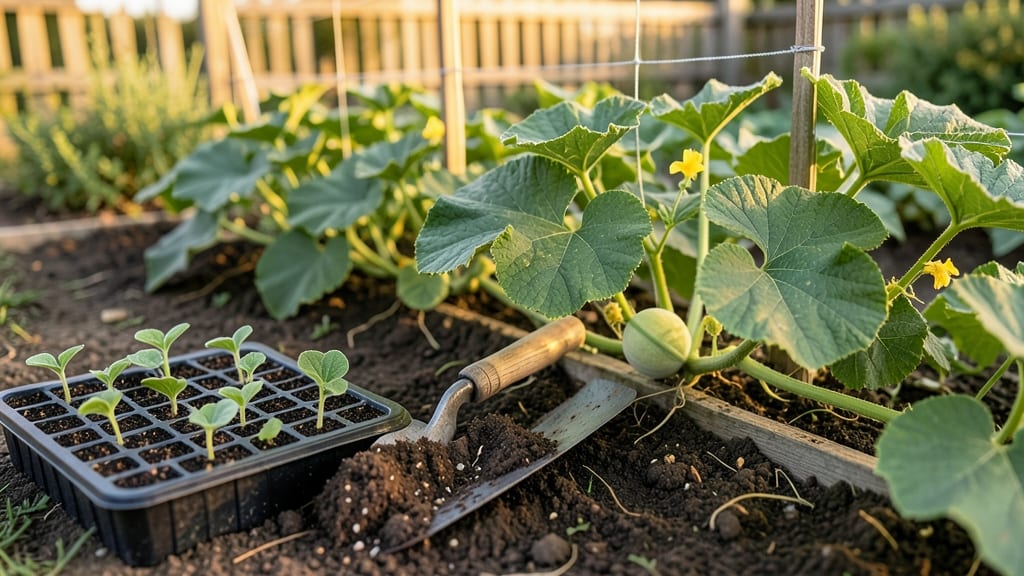
Planting cantaloupe in Virginia after the last frost—when soil hits 70°F—is the key to sweet, vine-ripened fruit by summer’s end.
Virginia’s diverse climate zones—from the Tidewater coast to the Appalachian foothills—mean cantaloupe planting deadlines can vary by weeks, yet timing is everything for bountiful harvests. Get your schedule wrong, and you’ll miss the window for ripe melons before summer’s brutal heat sets in.
Most gardeners in USDA zones 6a–8a should start seeds indoors by early March, then transplant after April 15 once nighttime temps stay above 55°F. But coastal areas like Norfolk can plant a week earlier, while higher elevations near Roanoke may need to wait until late May.
Below, I’ll break down exact planting dates by region, soil temperature tricks to speed up germination, and how to stretch your harvest into September—plus the one mistake that wipes out 90% of Virginia cantaloupe crops.
Virginia’s cantaloupe planting zones: when to start seeds indoors vs. outdoor deadlines
Virginia’s USDA planting zones (5a–8a) create dramatic differences in cantaloupe success—from the Coastal Plain’s humid warmth to the Piedmont’s cooler nights. In Zone 5a, frost lingers until May 15, while Zone 8a gardeners enjoy a 165-day growing season with minimal frost risk.
Timing isn’t just about dates; it’s about soil temperature thresholds (minimum 60°F) and microclimates where a south-facing slope can add critical weeks to your window.
Cantaloupes are warm-season annuals that bolt in cold soil, so rushing outdoor planting is a common mistake. My rule? Start seeds indoors 3–4 weeks before your last frost date, then transplant after Memorial Day when nighttime temps stay above 55°F.
For Zone 6b–7a (Piedmont), this means indoor starts by March 15 and outdoor planting by May 1—but Coastal Plain gardeners in Zone 7b–8a can delay indoor starts until April 1 and plant outside by April 15.
Here’s the critical comparison for Virginia’s zones, including soil warmth and frost-free deadlines that dictate your schedule:
Notice how Zone 5a gardeners need to start seeds 6 weeks earlier than Zone 8a counterparts? That’s because soil warmth is the real deadline—cantaloupes won’t germinate below 60°F, and cool nights stunt vine growth.
I’ve seen Zone 7a gardeners in the Piedmont rush outdoor planting in early April only to have seedlings rot in 50°F soils. Always check soil temp with a thermometer before transplanting.
For Coastal Plain regions (Zones 7b–8a), humidity is your biggest enemy. Cantaloupes thrive in dry heat, so I recommend raised beds with excellent drainage and drip irrigation to avoid fungal diseases like powdery mildew.
In contrast, Piedmont gardeners should focus on black plastic mulch to accelerate soil warming—this can shave 2–3 weeks off your growing season.
Pro tip: If you’re in Zone 6a or colder, consider heat-tolerant varieties like ‘Athena’ or ‘Hale’s Best’—they mature 10–14 days faster than standard types. Pair this with row covers for early protection, and you’ll push harvests into August instead of July.
Just remove covers once flowers appear to prevent pollination issues.
One common mistake? Assuming your last frost date is the same as your safe planting window. In Zone 7a, frost may end by April 10, but I don’t transplant cantaloupes until April 25—soil needs to be 60°F+ for 7+ days.
Use a soil thermometer for 3 consecutive mornings to
How to extend Virginia’s cantaloupe growing season: row covers, succession planting, and heat tolerant varieties
Virginia’s summer heat can be relentless, but with the right strategies, you can stretch your cantaloupe harvest well into September. The key lies in combining heat-tolerant varieties, succession planting, and protective row covers to shield young plants from late-season pests and temperature swings.
Most gardeners in Virginia’s USDA zones 6a–8a rely on a single planting window, but by extending your season, you can enjoy sweeter melons and avoid the overcrowded market of mid-summer.
The secret? Start with late-maturing varieties and use low tunnels to create a microclimate that keeps soil warm and pests at bay.
🌱 Numbered Highlights: Extending Your Cantaloupe Season in Virginia
- 1. Choose heat-tolerant varieties: Opt for ‘Athena’ (80-day) or ‘Hale’s Best’ (75-day), both thriving in Virginia’s 90°F+ heat.
- 2. Use row covers for early/late plantings: Install floating row covers over seedlings to protect from cucumber beetles and cool evening temps.
- 3. Plant in staggered succession: Sow seeds every 2 weeks from April 15–June 1 for continuous harvests.
- 4. Set up low tunnels in July: Cover vines with hoop houses to extend harvests into early September.
- 5. Monitor for pests: Watch for cucumber beetles and spotted cucumber beetles—use neem oil or row covers as needed.
For late-season plantings, focus on succession planting every 2 weeks from May through early June. This ensures a steady supply of ripe cantaloupes when other gardeners’ harvests dwindle. Pair this with ‘Ambrosia’, a variety that matures in 80 days and handles Virginia’s humidity well.
Protecting your plants from late-season pests is critical. Cucumber beetles thrive in Virginia’s heat and can devastate young vines. Use yellow sticky traps near plantings and apply kaolin clay as a barrier. For extra protection, cover seedlings with lightweight row fabric until they’re established.
If you’re ambitious, try a low tunnel over your latest planting. These simple structures raise soil temperatures by 5–10°F and can push harvests into early September. Just remove the cover once fruits begin to form to prevent overheating and ensure proper pollination.
Remember, cantaloupes need consistent warmth—soil temps below 70°F stunt growth. Use black plastic mulch to accelerate warming, especially in Virginia’s cooler Piedmont region. With these tactics, you’ll enjoy homegrown cantaloupes long after store-bought options disappear!