
Plants
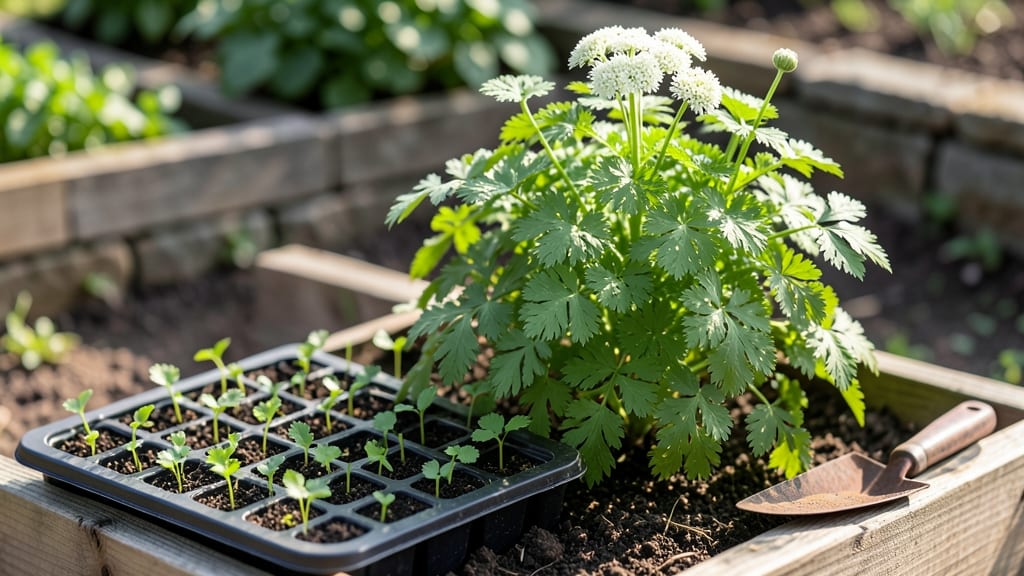
Planting cilantro in Southern California at the right time means the difference between a month-long harvest and a bitter, bolted mess before you even taste it.
Struggling to grow cilantro in Southern California without it bolting too soon? Timing is everything—and getting it right means fresh, flavorful harvests for months instead of weeks.
Here’s the secret: fall is your best friend, but even then, coastal and inland zones play by slightly different rules. If you’ve ever watched your cilantro 🌿 shoot up flower stalks in under 30 days, you know how fast things can go wrong.
Below, I break down the exact planting windows for your zone, how to stretch your harvest through summer, and the one trick that keeps cilantro from turning into coriander before you can say "salsa."
Best planting windows for cilantro in Southern California’s climate zones
Southern California’s diverse microclimates mean your cilantro’s success depends entirely on when you plant. Coastal areas like Santa Barbara (Zone 9a-10a) enjoy milder winters, while inland valleys like Bakersfield (Zone 8a-9a) face hotter summers. Getting this right prevents bolting and gives you flavorful harvests for months, not weeks.
Cilantro thrives in cool-season temperatures (50°F-75°F). When daytime highs exceed 75°F, it bolts—turning bitter and flowering. Coastal regions can stretch planting 3 months longer than inland areas. The key? Plant when nighttime temps stay above 40°F and afternoon shade is available in summer.
Here’s how to match your planting window to your USDA zone and local microclimate:
For coastal gardeners, the fall window (Sept-Nov) is your goldmine. Temperatures stay perfect for 60-90 days of growth before winter slows things down. I’ve grown cilantro in Malibu through December with row covers on chilly nights—just remove them by 10 AM to prevent rot.
Inland areas should focus on early fall (Sept-Oct) and winter (Jan-Feb) plantings. The spring window (Feb-Mar) works only if you’re in Zone 9a+ and use shade cloth by April.
I once tried planting in April in Riverside—the cilantro bolted in 10 days under 90°F temps. Lesson learned: Wait until temps drop.
Pro tip: Use a soil thermometer to monitor temps. Cilantro roots thrive when soil stays between 55°F-70°F. If your soil hits 75°F+, even for a few hours, it’s time to shade your plants or succession plant.
For container growing, coastal areas can extend harvests by moving pots to shadier spots in summer or placing them in partial shade under decks. Inland containers dry out faster—water daily in summer and use self-watering pots to prevent stress.
Remember: Succession planting every 2-3 weeks in fall ensures a steady supply. I’ve had non-stop cilantro from October to February in Zone 10a by staggering plantings. Start with small batches to test your microclimate’s ideal timing.
🌿
How to extend your cilantro harvest year-round with succession planting
Cilantro thrives in Southern California's mild winters but struggles with summer heat. The key to continuous harvests lies in succession planting—sowing new seeds every 2-3 weeks to replace bolting plants. This method ensures fresh leaves from fall through spring while minimizing gaps in your supply.
In coastal areas (like Santa Barbara or San Diego), cilantro grows well year-round, but inland zones (such as Los Angeles or Riverside) need extra shade during summer months. By planning strategically, you can enjoy homegrown cilantro for 6+ months without the frustration of sudden bolting.
Here’s your step-by-step schedule for year-round cilantro, tailored to Southern California’s microclimates:
- 1 Late Summer Kickoff: Start your first fall planting in early August (coastal) or mid-August (inland). Use shade cloth (30-50%) to protect seedlings from afternoon heat.
- 2 Fall Succession: Sow new seeds every 2-3 weeks from September through November. Coastal areas can extend to December, while inland zones should stop by late November to avoid winter stress.
- 3 Winter Protection: Use row covers or cloche tunnels for December-February in inland areas to shield from cold snaps. Coastal cilantro often needs no protection but benefits from mulch to retain moisture.
- 4 Spring Transition: Begin spring plantings in late February (coastal) or March (inland). Pair with fast-maturing varieties like 'Santo' or 'Calypso' to harvest before summer heat sets in.
- 5 Summer Break: Skip summer plantings entirely. Instead, harvest existing plants aggressively and let them bolt naturally to collect seeds for next year’s fall garden.
For container gardening, use 5-gallon pots with well-draining soil and replant every 3-4 weeks for a steady supply. Always harvest outer leaves first to encourage bushier growth and delay bolting.
Pro tip: Mix cilantro with shade-tolerant companions like lettuce or spinach to maximize space and reduce heat stress. With this schedule, you’ll never run out of fresh cilantro—just continuous, flavorful harvests all year! 🌿