
Plants
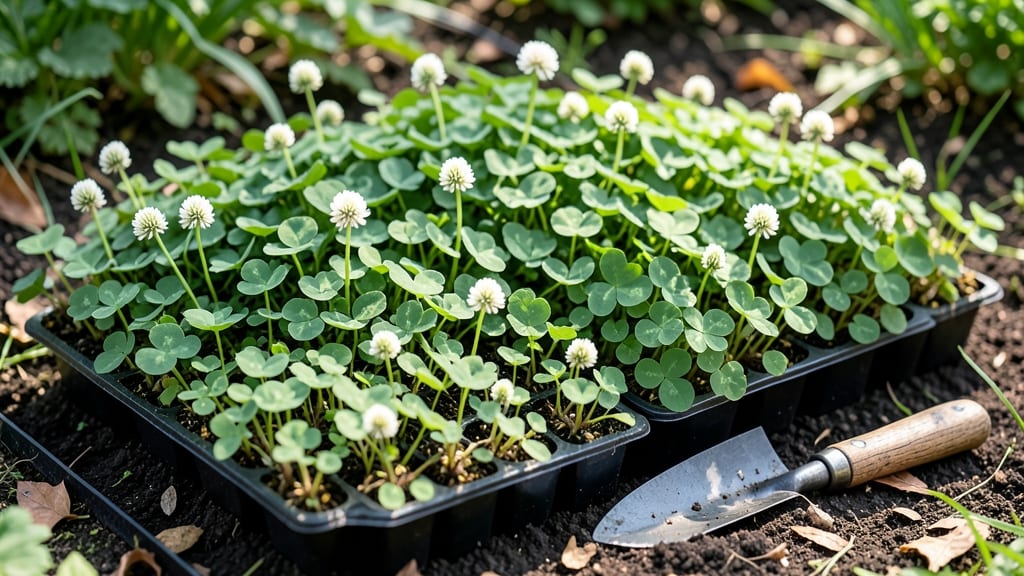
Planting clover in Washington State depends on your elevation zone, with spring or fall timing making all the difference for healthy growth 🌱.
Washington State’s diverse elevation zones—from coastal lowlands to alpine meadows—create wildly different planting seasons for clover. Get your timing wrong, and you’ll either face frost damage or stunted growth.
In USDA zones 6b-8b, the best time to plant clover is either late summer to early fall (August–September) or early spring (March–April). This ensures the roots establish before winter or summer heat sets in.
Below, I’ll break down the exact planting windows for each region, including soil prep tips and how to handle microclimates like Puget Sound’s milder winters or Eastern WA’s later frost dates.
Optimal planting windows for clover by Washington elevation zones
Washington’s three distinct elevation zones create wildly different planting windows for clover. Coastal areas near Puget Sound (0-1,000 ft) enjoy mild winters, while Cascade foothills (1,000-4,000 ft) face earlier frosts. High-elevation zones (4,000+ ft) often have shorter growing seasons and require precise timing to avoid frost damage.
Clover thrives when soil temperatures reach 50-60°F for germination. In lowland zones, this typically happens by late February to March. At higher elevations, wait until late April to May when soil warms consistently. Fall plantings should occur 4-6 weeks before first frost to establish strong roots before winter.
For lowland zones, like Western WA, plant white clover in early spring (March) or late summer (August). These areas benefit from longer frost-free periods (165+ days), allowing two planting opportunities. Always test soil moisture—clover hates soggy roots.
In mid-elevation zones, such as Cascade foothills, focus on red clover for quicker establishment. Plant in April-May when soil temperatures stabilize above 55°F. Use row covers if planting early to protect seedlings from late frosts.
Highland zones (4,000+ ft) demand alsike clover, which tolerates cooler soils. Wait until late May when soil reaches 60°F—earlier plantings risk stunted germination. These areas often have shorter growing seasons, so prioritize fall plantings in July-August.
Always check your local USDA Plant Hardiness Zone (6b-8b in WA) for precise frost dates. Use a soil thermometer to confirm readiness—clover won’t germinate below 50°F. In coastal areas, morning fog can delay warming, so plant 2-3 weeks later than inland zones.
Pro tip: Mix clover seeds with ryegrass for faster ground cover. This combo works well in all elevation zones and improves soil health. Water lightly after planting to keep seeds moist until germination (7-14 days).
For fall plantings, aim to establish clover 4-6 weeks before first frost. In Eastern WA, this might mean planting by August 15, while Western WA can extend to September 15. Use a frost calendar to track local trends—some years bring unexpected early frosts.
Remember: Clover fixes nitrogen in soil, so avoid over-fertilizing. A light 10-20-10 NPK mix in spring is sufficient. In drought-prone highland zones, mulch heavily to retain moisture. With the right timing, your clover will thrive year-round in Washington’s diverse climates!
Microclimate-specific clover varieties that thrive in Washington
Washington’s diverse landscapes mean not all clover varieties thrive equally. Coastal areas like the Puget Sound demand hardy, salt-tolerant types, while eastern Washington’s drier pastures need drought-resistant strains.
Each microclimate has its ideal clover species—here’s how to match your location to the perfect variety for soil health, forage, or pollinator support.
For lowland zones (0–1,000 ft), like Western WA’s coastal plains, white clover (Trifolium repens) dominates. Its shallow roots and creeping growth habit make it ideal for lawns and erosion control.
Meanwhile, red clover (Trifolium pratense) excels in mid-elevation pastures (1,000–4,000 ft), offering deep roots that fix nitrogen and improve soil structure.
| Clover Type | Best For | Planting Window | Key Adaptation |
|---|---|---|---|
| White Clover | Coastal lawns, erosion control | March–April or Aug–Sept | Salt-tolerant, drought-resistant |
| Red Clover | Mid-elevation pastures, soil improvement | April–May or July–Aug | Deep roots, high nitrogen fixation |
| Alsike Clover | Highland meadows, pollinator support | May–June (cool seasons only) | Cold-hardy, tolerates poor soils |
| Crimson Clover | Dry eastern WA, winter forage | Late Aug–Sept (fall only) | Drought-resistant, winter-hardy |
In highland regions (4,000+ ft), like the Cascade foothills, alsike clover (Trifolium hybridum) shines. Its cold tolerance and ability to thrive in poor, rocky soils make it perfect for alpine gardens and pollinator-friendly meadows.
For eastern Washington’s arid climates, crimson clover (Trifolium incarnatum) is the star—plant it in late summer for winter forage that survives frost.
Each variety adapts to local rainfall patterns. White clover, for example, thrives in coastal humidity but struggles in eastern WA’s dry heat. Conversely, crimson clover wilts in soggy soils but dominates well-drained pastures. Always check your USDA zone (6b–8b) and local frost dates before selecting.
Pro tip: Mix white clover with ryegrass in lawns for year-round greenery, or pair red clover with alfalfa in pastures for high-protein forage. Your microclimate’s unique conditions will dictate the best blend for soil health and productivity. 🌱