
Plants
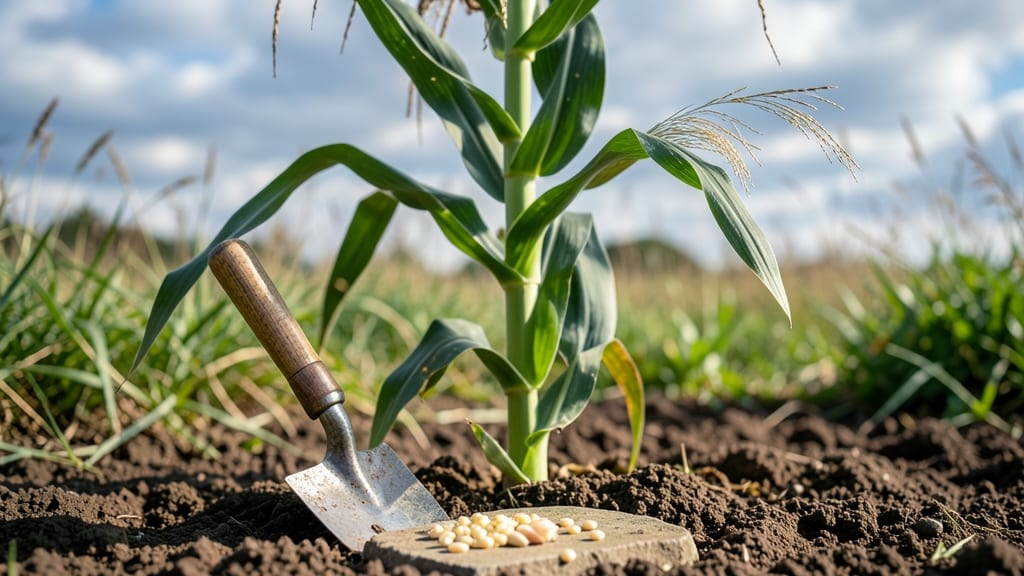
Planting corn in Iowa starts when soil temperatures hit 60°F and at least two weeks after the last frost—typically mid-April to early May.
Iowa farmers and gardeners know timing is everything when planting corn—but getting it wrong can mean poor yields or even total crop failure. With Iowa’s diverse USDA zones and unpredictable spring weather, knowing the exact planting window is critical.
Northern Iowa’s 5a-6b zones demand patience, while southern regions can start earlier. A late frost or cold snap can stall germination, so checking soil temps with a thermometer is the game-changer between a thriving crop and wasted seeds.
In this guide, I’ll break down the ideal planting dates by region, how to adjust for microclimates, and when to switch to short-season varieties if spring drags on. No more guessing—just data-driven planting for your 🌽.
Iowa’s USDA zones and ideal corn planting dates by region
Iowa’s USDA zones 4a-5b create dramatic differences in corn planting success, with northern areas facing late spring frosts while southern regions can start weeks earlier. As a gardener in zone 5a, I’ve learned that planting too early risks frost damage, while waiting too long cuts harvest potential.
The key is aligning your schedule with frost-free dates and soil temperatures—not just calendar months.
For most of Iowa, the ideal corn planting window spans April 15 to May 15, but this shifts dramatically by region.
Northern Iowa (zones 4a-4b) often waits until late April or early May due to slower soil warming, while southern Iowa (zones 5a-5b) can start as early as mid-April. My Des Moines garden (zone 5a) typically plants around April 25, giving us a 150-day growing season before first frost.
Soil temperature is your best guide—corn seeds need 50°F for germination but thrive at 60°F+. A soil thermometer ($15 at garden centers) is worth its weight in kernels. In zone 4a (northwest Iowa), I’ve seen planting delayed until May 1 when cold snaps linger, while zone 5b (southeast Iowa) can start by April 10 in mild years.
Here’s the zone-by-zone breakdown of Iowa’s corn planting windows, including frost risks and ideal varieties for each area:
| USDA Zone | Planting Window | Avg. Last Frost | Soil Temp Goal | Recommended Varieties | Key Risk |
|---|---|---|---|---|---|
| 4a (NW IA) | May 1–15 | May 5 | 60°F+ | Early Sunglow, Golden Bantam | Late frosts |
| 4b (N Central IA) | April 25–May 10 | April 20 | 60°F+ | Silver Queen, Peaches & Cream | Cool soils |
| 5a (Central IA) | April 15–May 5 | April 10 | 55°F+ | Ambrosia, Country Gentleman | Variable springs |
| 5b (SE IA) | April 10–25 | April 5 | 50°F+ | Sweet Succotash, Honey & Pearl | Early heat waves |
In my zone 5a garden, I’ve found that planting April 25 gives us a 160-day growing season—long enough for full-sized ears but not so late that we risk drought stress before harvest.
The National Weather Service reports that Des Moines’ average last frost is April 10, but I wait 2 weeks to ensure soil warmth. This delay has saved my crop from three unexpected frost events in the last five years.
For gardeners in northern Iowa (zones 4a-4b), the risk isn’t just frost—it’s cold, wet soils that delay germination. I recommend using black plastic mulch to warm the soil 5-10°F faster than bare ground.
In southern Iowa (zone 5b), the bigger challenge is early summer heat, which can stress young plants. Here, I opt for shorter-season varieties like Sweet
Microclimate factors that shift Iowa corn planting deadlines
Iowa’s flat terrain might look uniform, but microclimates create surprising planting variations between neighboring towns. A 200-foot elevation shift or urban heat islands in Des Moines can push planting dates by 1-2 weeks compared to rural areas.
These nuances mean your soil thermometer readings might differ dramatically just 10 miles away.
For example, Sioux City’s average last frost arrives 7-10 days earlier than Waterloo’s due to its western location and drier air. Meanwhile, Dubuque’s proximity to the Mississippi River creates cooler, slower-warming soils. Understanding these patterns helps you avoid planting too early in cold pockets or too late in warm microclimates.
Soil temperature is the #1 factor for corn germination—wait until it hits 50°F at 4-inch depth for consistent sprouting. Use a soil thermometer ($15 at garden centers) to verify rather than relying on air temperature.
In USDA Zone 5a (north Iowa), this often means delaying until May 1; in Zone 6a (south Iowa), April 25 works for early varieties.
| Microclimate Factor | Des Moines (Urban Heat) | Sioux City (Western Dry) | Dubuque (River Cool) |
|---|---|---|---|
| Average Last Frost | April 20 | April 15 | May 2 |
| Soil Warms to 50°F | April 10 | April 5 | April 25 |
| Recommended Planting Window | April 25-May 10 | April 20-April 30 | May 5-May 20 |
| Heat Units Needed (GDD50) | 2,800-3,000 | 2,700-2,900 | 3,000-3,200 |
| Local Risk | Late frost pockets | Drought stress | Cool soil delays |
Calculate your growing degree days (GDD) using this formula: (Daily Max Temp + Daily Min Temp) ÷ 2 - 50°F. Corn needs 2,700-3,200 GDD50 to mature, so track your local accumulation using free tools like the Iowa State University Extension GDD calculator.
For example, Pioneer Brand recommends planting their P1190AMX hybrid when you’ve accumulated 1,000 GDD50—this typically aligns with soil temps of 60°F.
Urban gardeners should account for heat islands that can warm soils 5-10°F faster than rural areas. Place your thermometer in shady, undisturbed soil (not near pavement) for accurate readings.
If your soil hits 60°F by April 15 in a city, you can plant 2 weeks earlier than rural guidelines suggest—but verify with a 3-day forecast for stable temps above 55°F.
Pro tip: Plant test rows 1 week apart in late April to identify your microclimate’s sweet spot. The row that shows 90% emergence within 10 days is your ideal planting window.
This simple test reveals local patterns that almanacs can’t—like how your backyard might be 3 days warmer than the official station 5 miles away.