
Plants
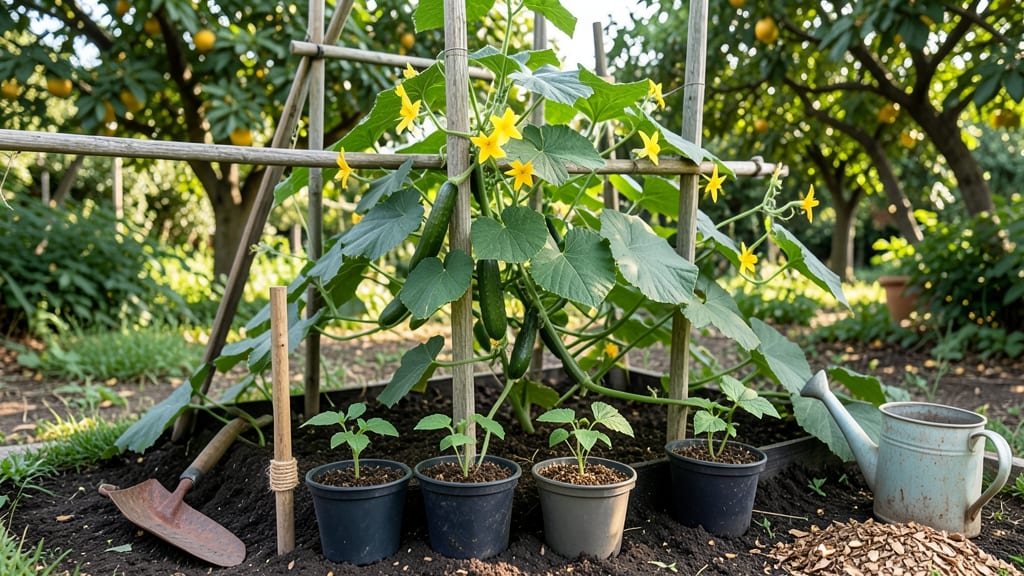
Planting cucumbers in West Virginia after the last frost date—typically mid-April to early June—sets the stage for a thriving harvest 🥒.
Timing your cucumber planting in West Virginia’s Zone 6-7 climate can mean the difference between a bountiful harvest and wilted disappointment. One year, I rushed my seeds into the ground in early April, only to watch them shiver under a late frost.
The lesson? Patience pays off when the soil hits 60°F and the forecast stays frost-free for at least a week.
West Virginia’s varied microclimates add another layer—mountain valleys stay cooler longer, while urban heat islands can push soil temperatures up faster. That’s why I’ve broken down the exact planting windows for Zone 6a and Zone 7, including how to adjust for elevation or city heat.
Whether you’re starting seeds indoors or sowing directly, these deadlines will keep your vines happy and productive.
Inside, you’ll find the precise frost-free dates for your county, soil prep tips to speed up warming, and even tricks to extend your harvest into September. Ready to turn your garden into a cucumber factory? Let’s get started.
West Virginia cucumber planting deadlines: exact dates for zones 6-7
Getting your cucumber planting schedule right in West Virginia means understanding last frost dates and soil temperature thresholds. Since WV spans USDA Zones 6a-7a, your timing should adjust between northern counties like Pocahontas and southern areas like Charleston. The difference can be 2-3 weeks in frost-free windows!
For Zone 6a (northern WV), aim to plant after April 20—when nighttime temps consistently stay above 50°F. In Zone 7a (southern WV), you can start as early as April 5, but always verify with your local agricultural extension office for microclimate adjustments.
Soil temperature is critical: cucumbers won’t germinate well below 60°F. Use a soil thermometer to confirm readiness. In cooler microclimates (like higher elevations), wait until May 1 to avoid cold soil shock.
Here’s your frost-free planting window breakdown for WV’s Zone 6-7:
| Zone | Last Frost Date | Ideal Planting Window | Soil Temp Threshold | Notes |
|---|---|---|---|---|
| 6a (Northern WV) | April 20–May 5 | May 1–June 1 | ≥60°F | Use row covers if planting early |
| 6b (Central WV) | April 10–April 25 | April 25–May 15 | ≥58°F | Warmer microclimates allow earlier starts |
| 7a (Southern WV) | March 25–April 10 | April 5–May 1 | ≥55°F | Urban heat islands may extend window |
For a longer harvest, consider succession planting: start a second batch 2 weeks after your first planting. This works especially well in Zone 7a, where you might squeeze in three plantings by early July.
If you’re starting seeds indoors, begin 4-6 weeks before your last frost date. Use biodegradable pots to avoid transplant shock when moving seedlings outdoors. Harden them off for 7-10 days before planting.
Watch for late spring frosts, which can still hit northern WV into early May. Protect young plants with frost cloth or move containers indoors during cold snaps. In Zone 6a, this extra precaution can save your entire crop.
Soil prep is just as critical as timing. Amend your beds with compost and a balanced fertilizer (like 5-10-10) to ensure nutrient-rich soil. Cucumbers are heavy feeders, so don’t skimp on organic matter.
For urban gardeners in Charleston or Morgantown, take advantage of heat-reflective surfaces (like pavement) to warm soil faster. In rural areas, choose south-facing slopes for earlier planting opportunities.
Remember: Harvest time starts 55-70 days after planting, depending on the variety. The earlier you plant, the sooner you’ll enjoy fresh cucumbers—just don’t rush it past your soil temperature threshold!
How to extend your cucumber growing season in West Virginia
West Virginia’s short growing season (just 165 frost-free days) can challenge cucumber lovers, but with the right strategies, you can enjoy fresh homegrown cucumbers from early summer until fall. The key is combining season extension techniques with smart planting methods to beat the clock and maximize your harvest.
Even if you’ve missed the ideal spring planting window, don’t despair—cold frames, row covers, and succession planting can add weeks (or even months) to your cucumber’s productive life. These methods work for both small backyard gardens and larger-scale operations, with solutions that fit any budget.
- 1. Cold Frames: Start seeds 4-6 weeks earlier in a cold frame (soil warms faster). Use for early spring or late fall plantings.
- 2. Row Covers: Extend harvest by 2-3 weeks in spring/fall. Use floating row covers to protect from light frosts (down to 28°F).
- 3. Succession Planting: Sow new seeds every 2 weeks from May to July. Staggered plantings ensure a continuous harvest.
- 4. Companion Planting: Pair cucumbers with beans, radishes, or dill to improve growth and deter pests. Avoid planting near potatoes or sage.
For small-space gardeners, consider container growing with bush cucumber varieties like 'Bush Champion'—they thrive in pots and can be moved to extend their season. Place containers near south-facing walls or under cloche covers to capture extra warmth.
If you’re growing vining varieties, invest in a trellis system to save space and improve air circulation, reducing disease risk. Combine this with black plastic mulch to warm soil faster in spring and retain moisture longer in summer.
Don’t forget about late-season care: Reduce watering as temperatures drop in September, but keep soil moist enough to prevent bitter cucumbers. Harvest frequently to encourage more production until the first frost hits.
With these techniques, you can turn West Virginia’s short growing season into a long, productive cucumber harvest—proving that timing and creativity beat limitations every time. 🌱🥒