
Plants
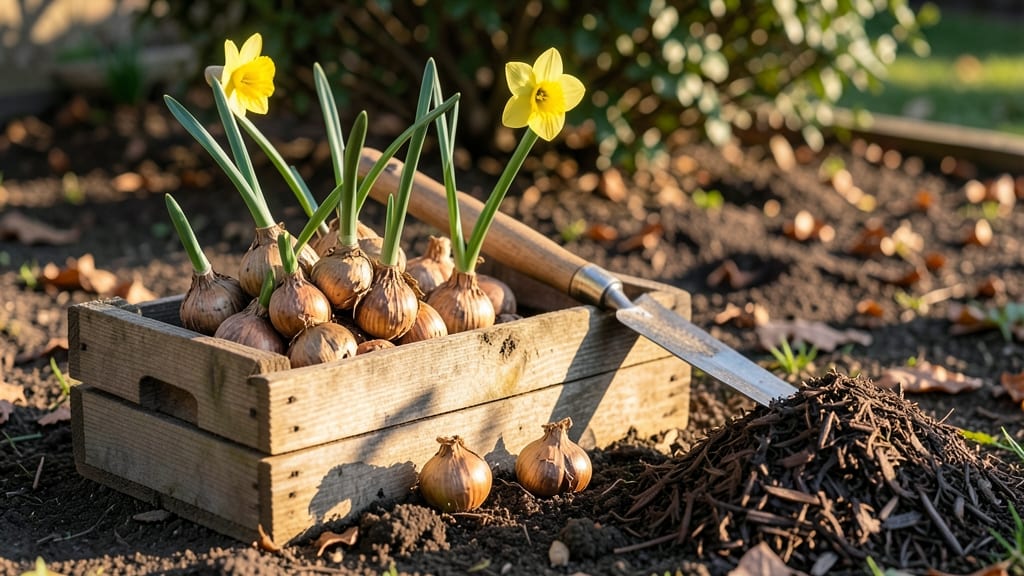
Planting daffodil bulbs in Michigan between October and November is the key to seeing those cheerful 🌼 blooms next spring.
Michigan gardeners know timing is everything—plant too early, and the bulbs rot; too late, and frost kills them before they bloom. The 5b-6b zones demand precision, but mastering the fall window ensures vibrant displays year after year.
This isn’t just about throwing bulbs in the ground—soil prep matters just as much. Cold, soggy soil can drown roots, while dry conditions stall growth. We’ll cover the exact steps to prep your beds, from drainage fixes to mulching tricks that protect bulbs through winter.
By the end, you’ll know not just when to plant, but how to adjust for Michigan’s unpredictable frost dates—so you’re never left with bare soil and empty expectations.
Michigan’s frost zones and ideal planting windows for daffodil bulbs
Michigan’s USDA frost zones 4-6 create unique challenges for daffodil bulb planting. In zone 6b (southern Michigan), you’ve got until mid-November to plant, while zone 4a (Upper Peninsula) demands earlier action by early October.
The key? Plant when soil temps drop to 40-50°F—this gives bulbs time to root before winter sets in.
Daffodils thrive in Michigan’s climate because they’re cold-hardy perennials. Their secret? Bulbs need 4-6 weeks to establish roots before the ground freezes. In zone 5b, that’s typically late October; in zone 6a, you might push to early November.
But don’t wait too long—frost-killed bulbs won’t bloom.
Here’s the critical difference between Michigan’s regions: Lower Peninsula (zones 5b-6b) has 2-3 weeks longer planting windows than the Upper Peninsula (zones 4a-5a). This means southern gardeners can afford slight delays, while northern growers must act faster to avoid soil freezing before roots form.
🌼Pro Tip: Use a soil thermometer to check temps. Plant when readings consistently stay between 40-50°F at 4-inch depth. This ensures bulbs won’t rot from warm soil or freeze before rooting.
| USDA Zone | Michigan Region | Ideal Planting Window | Soil Temp Threshold | Key Consideration |
|---|---|---|---|---|
| 4a | Upper Peninsula | Early October | 40-45°F | Shortest window; act by October 15 |
| 5a | Northern Lower Peninsula | Late October | 40-50°F | Plant by October 31 for best results |
| 5b | Central Michigan | Early to Mid-November | 45-50°F | Flexible window; aim for November 1-15 |
| 6a | Southern Michigan | Mid-November | 45-50°F | Latest window; plant by November 15 |
| 6b | Southeast Michigan | Late November (rare) | 50°F+ | Risky; only if soil stays unfrozen |
Missed your window? Don’t panic—spring planting is possible in Michigan, but with caveats. Plant daffodil bulbs in early spring (March-April) when soil is workable, but expect smaller blooms the first year.
Bulbs need time to establish roots before summer heat arrives, so this method works best in zone 6b where springs are milder.
🌱Regional Reality Check: The Upper Peninsula faces earlier frosts, sometimes by mid-October. If your area had an early frost year, shift planting to September—just ensure soil temps stay above 50°F to prevent rot. Use black plastic mulch to extend the season by 1-2 weeks.
For southern Michigan gardeners, the latest safe date is typically Thanksgiving weekend. After that, bulbs may not root deeply enough before winter. Always check Michigan State University’s frost maps for your specific county—these provide 10-year averages that account for local microclimates.
💡Why Timing Matters: Daffodils bloom from root energy stored during summer. Plant too late, and bulbs won’t develop enough roots to push through snow for spring blooms. Aim for 6-8 weeks of root growth before winter—this ensures vibrant, healthy flowers next April.
Remember: Michigan’s diverse microclimates mean your neighbor’s perfect timing might not work for you. Observe your own garden’s frost patterns for 3 years to refine your planting schedule. Start with test plots in different zones to see which bulbs thrive best in your specific conditions.
Step-by-step fall planting guide for Michigan’s climate
Michigan’s fall planting window for daffodil bulbs is narrow—aim for early October to mid-November—but getting it right means vibrant spring blooms with minimal effort. The key is preparing your soil 4-6 weeks before the first frost, ensuring bulbs establish roots before winter sets in.
In USDA zones 5b-6b, this typically means planting by October 15 in southern Michigan or November 1 in colder northern regions.
Start by testing your soil’s drainage and pH. Daffodils hate soggy soil, so amend heavy clay with compost or sand to improve aeration. Aim for a pH between 6.0 and 7.0—too acidic, and nutrients lock out.
I mix in 2-3 inches of compost into the top 12 inches of soil, then let it settle for a week before planting. This gives beneficial microbes time to colonize and warm the soil slightly.
Planting Daffodil Bulbs in Michigan
- Step 1: Choose a sunny spot with 6+ hours of light—daffodils thrive in full sun to partial shade.
- Step 2: Dig holes 6-8 inches deep (about 3x the bulb’s height) and space them 3-6 inches apart for dwarf varieties or 6-12 inches apart for standard types.
- Step 3: Place bulbs pointy end up, with the neck slightly above soil level. Avoid burying too deep—this can rot the bulb before it blooms.
- Step 4: Backfill with soil, then water deeply to settle the roots. Use lukewarm water to avoid shocking the bulbs.
- Step 5: Apply a 2-3 inch layer of mulch (straw, shredded leaves, or pine needles) to insulate roots and retain moisture. Avoid thick mulch piles—1-2 inches max—or bulbs may suffocate.
After planting, resist the urge to fertilize—daffodils need time to root before absorbing nutrients. Instead, focus on watering every 10-14 days until the ground freezes. I’ve found that morning watering reduces fungal risks, and a light sprinkle of compost tea (optional) can boost microbial activity without overfeeding.
Avoid these common Michigan mistakes: planting in soggy soil (wait for dry spells), ignoring frost dates (check Michigan State University’s frost maps), or using fresh manure (it burns bulbs).
I once planted too late in northern Michigan and lost half my bulbs to early frost—now I mark my calendar for October 1 as the absolute deadline in colder zones.
Once mulched, your daffodils are ready for winter. The leaves should stay intact until they yellow in late spring—they’re photosynthesizing to fuel next year’s blooms. In early spring, remove mulch and add a light fertilizer (5-10-10) when shoots emerge.
With this timing, you’ll see cheerful yellow blooms by April, brightening Michigan’s often gloomy spring.
Pro tip: Label your rows with biodegradable plant markers—Michigan’s unpredictable springs can make it hard to remember where you planted what! 🌼