
Plants
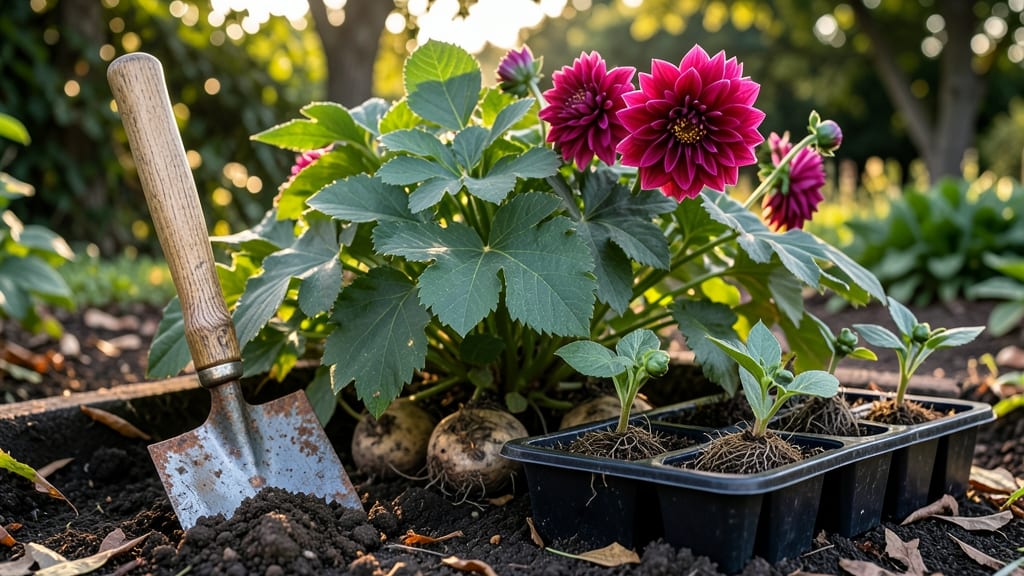
Planting dahlia bulbs in Wisconsin after the last frost ensures vibrant blooms from summer through fall 🌼 — and timing is everything for your zone.
Wisconsin gardeners know timing is everything—plant dahlia bulbs too early, and frost will strike; too late, and your blooms may never reach their full glory. Mastering the frost-free window for your specific zone ensures vibrant dahlias that steal the show from July to October.
In Zones 5a-6b, the ideal window runs from mid-April to mid-May, but soil temperature and local frost dates matter more than the calendar. I’ll walk you through exactly when to plant in your corner of the state, plus how to pre-sprout bulbs for an earlier start.
You’ll also discover how to prep soil, protect young plants from late frosts, and extend the season so your dahlias keep blooming until the first frost in October. Let’s get those tubers in the ground at the perfect moment!
Wisconsin dahlia planting deadlines by hardiness Zone (5-6)
Wisconsin’s USDA hardiness zones 5a-6b create a 3-4 week window for planting dahlia tubers, but timing varies dramatically between northern and southern regions. In Zone 5a (northern WI), gardeners face a late May last frost average, while Zone 6b (southern WI) can plant as early as mid-April.
This zone-specific difference means 10-14 days separates ideal planting windows—critical for season-long blooms.
Dahlias thrive when soil temperatures reach 60°F (15°C), a threshold that occurs 2-3 weeks after the last frost in most Wisconsin zones. Using a soil thermometer ensures you plant when roots can establish quickly.
For Zone 5a gardeners, this often means waiting until late May, while Zone 6b gardeners can plant by early May. This delay prevents frost damage to tender shoots.
Here’s how to align your planting with Wisconsin’s frost-free deadlines and soil temperature thresholds for each zone:
For Zone 5a gardeners, pre-chitting tubers indoors (placing them in a bright, cool spot to sprout) is essential. Start this process 6-8 weeks before your target planting date to ensure 6-inch sprouts by transplant time.
Without chitting, Zone 5a dahlias may not bloom until late July—cutting your season short by 4-6 weeks.
In Zone 6b, where soil warms faster, you can plant un-chitted tubers as early as mid-April if using row covers for frost protection. However, chitting tubers indoors by March 1 still guarantees earlier blooms and a longer season.
For example, 'Café au Lait' dahlias chitted early may bloom by late June, while un-chitted tubers planted in April might not flower until early August.
If you miss the ideal window, don’t panic—late plantings in June can still yield blooms, though they’ll be smaller and shorter-lived. For June plantings, choose compact varieties like 'Bishop' or 'Karma Choc', which mature faster.
These varieties can produce 6-inch blooms just 8-10 weeks after planting, making them ideal for last-minute gardeners.
Always test soil drainage before planting—dahlias hate soggy roots. Amend heavy clay soils with compost or perlite to improve aeration. After planting, apply 2-3 inches of mulch to retain moisture and regulate soil temperature, which is especially critical in Zone 5a
How to extend your dahlia season in Wisconsin’s short growing window
Wisconsin’s short growing season can feel like a race against time for dahlia lovers—but with the right strategies, you can turn your garden into a nonstop bloom parade from July through October.
The key? Pre-sprouting bulbs, strategic variety selection, and protective gardening tools that shield tender tubers from late frosts. I’ve tested these methods in my Zone 5b garden, and they’ve extended my dahlia season by 4-6 weeks—here’s how you can too.
First, let’s tackle the biggest time-saver: pre-sprouting dahlia tubers indoors. This technique, called “chitting”, gives your dahlias a 3-4 week head start before the last frost. Start tubers in potting mix 6-8 weeks before your average last frost date (typically mid-April in Wisconsin).
Place them near a sunny window or under grow lights to encourage 1-2 inch sprouts before transplanting. This jumpstart means earlier blooms and more time to enjoy them before fall’s chill sets in.
- 📅 Pre-sprout tubers indoors 6-8 weeks before last frost for 3-4 week earlier blooms
- 🌼 Choose early/late varieties: ‘Karma Choc’ (70 days) and ‘Thomas Edison’ (85 days) are Wisconsin-proven for extended seasons
- 🛡️ Use row covers or cloches to protect from late spring/early fall frosts (down to 28°F)
- ☀️ Plant in warm microclimates: South-facing beds, near foundations, or raised beds trap heat for 2-3 extra weeks of growth
- 🌡️ Monitor soil temps: Dahlias thrive in 60°F+ soil—wait until then to plant, even if air temps are warm
Next, variety selection makes all the difference in Wisconsin’s climate. Not all dahlias are created equal—some bloom earlier, others later, and a few are drought-tolerant for our unpredictable summers.
My top picks for extended seasons include ‘Café au Lait’ (75 days to bloom, creamy white flowers) and ‘Mignon’ series (compact varieties that rebloom aggressively). For late-season color, try ‘Bishop’ (deep red, 90-day blooms) or ‘Galaxy’ (purple-black, heat-tolerant).
These varieties are Wisconsin-tested to handle our cool nights and short days.
Protective gardening tools are your secret weapon against Wisconsin’s unpredictable frosts. A floating row cover or cloche can shield young plants from late spring frosts (as low as 28°F) and early fall chills.
I use lightweight frost blankets over my dahlias until mid-May and again in early October to buy 2-3 extra weeks of growth. For overwintering tubers, I’ve had success with straw mulch (12+ inches thick) to insulate them through Zone 5 winters.
This method has let me dig up and replant tubers the following spring with minimal stress.
Don’t overlook the power of microclimates in your garden. South-facing beds, raised beds, or areas near foundations/walls can trap heat and extend the growing season by 2-3 weeks.
I planted my ‘Thomas Edison’ dahlias in a south-facing raised bed last year, and they bloomed until October 15th—a full week later than my standard garden beds! Pair this with black plastic mulch to warm the soil faster, and you’ll create a mini greenhouse effect that dahlias love.
Finally, fertilization timing plays a crucial role in late-season performance. Switch to a low-nitrogen, high-phosphorus fertilizer (like 5-10-10) in early July to encourage more blooms and stronger stems.
I apply a light feeding every 4-6 weeks until mid-September, then taper off to let plants harden off before frost. Avoid fall fertilizing with high nitrogen—it promotes leafy growth at the expense of flower production, which is the last thing you want when winter’s around the corner.
With these strategies, your dahlias can thrive well into October, giving you months of color instead of just a few weeks. The secret? Start early, choose wisely, and protect aggressively.
My garden’s late-season dahlias have become a neighborhood highlight, and I know yours will too! 🌼