
Trees
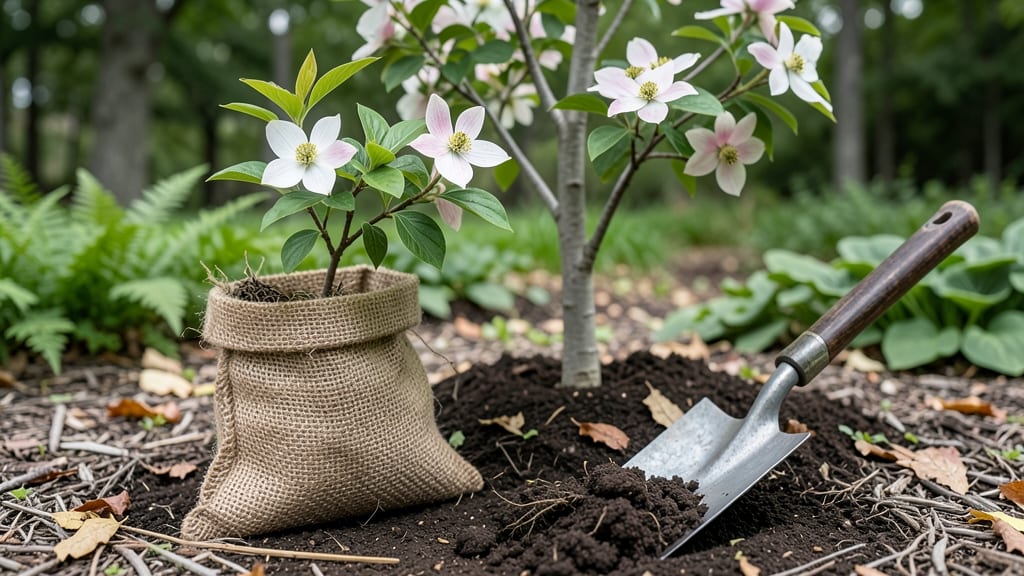
To plant dogwood trees in Georgia, aim for late fall to early spring when the soil is workable but frost isn’t a threat—think November through March for the best results.
Georgia’s dogwood trees 🌳 thrive when planted at the perfect time—miss the window, and you risk stunted growth or frost damage. Whether you’re a first-time gardener or a seasoned landscaper, timing is everything for these iconic trees.
In USDA zones 7a-8b, the ideal months are March and April, when the ground thaws but summer’s heat hasn’t arrived. Late fall (November) is also a great option, giving roots time to establish before winter.
Below, I’ll walk you through the exact frost-free window, soil prep secrets, and post-planting care to keep your dogwood healthy for decades. Let’s get started!
Best planting months for dogwood trees in Georgia’s climate zones
Georgia’s dogwood trees (Cornus florida) love the state’s climate—but timing is everything! Plant too early, and frost zaps young roots. Too late, and summer heat stresses them. The best planting window depends on your USDA zone (7a-8b) and whether you’re using bare-root or container-grown trees.
Northern Georgia (zones 7a-7b) has colder winters, while Southern Georgia (zone 8b) enjoys milder temperatures. This difference shifts your optimal planting months by 4-6 weeks. For bare-root dogwoods, aim for November through early March—when trees are dormant but soil stays workable.
Container-grown dogwoods are more flexible. You can plant them October through April, but avoid extreme heat or drought. Early spring (March-April) is ideal for both types—roots establish before summer’s peak.
Here’s the frost-free rule: Plant at least 4-6 weeks before your area’s last average frost date. In North Georgia, that’s around March 15; in South Georgia, it’s closer to March 22. Use local frost data to adjust!
For bare-root dogwoods, prioritize planting in late fall (November-December). The soil is cool, roots stay dormant, and trees establish before spring growth. If you miss this window, early spring (February-March) is your next best bet—just water deeply to offset warming soil.
Container-grown dogwoods handle spring planting (March-April) better than bare-root varieties. Their root systems are already established, so they recover faster from transplant shock. Avoid planting in summer (May-September)—Georgia’s heat and humidity stress young trees.
Pro tip: Check your local frost dates using the National Weather Service or University of Georgia Extension maps. If an early frost is forecast, delay planting until conditions stabilize. A 4-inch layer of mulch helps insulate roots if you plant close to frost season.
After planting, water deeply every 7-10 days for the first year. Dogwoods need moist, well-draining soil—never let them dry out. In North Georgia’s clay soils, amend with compost or pine bark to improve drainage.
Remember: Dogwoods bloom on old wood, meaning this year’s flowers formed last summer. Planting at the right time ensures your tree focuses energy on root growth—not struggling to survive. With the perfect timing, your dogwood will reward you with spring blooms for decades!
Soil preparation checklist: 5 critical steps for dogwood success
Georgia’s dogwood trees demand well-prepared soil to thrive, especially in our clay-heavy regions. Before planting, prioritize pH testing—dogwoods flourish in acidic soil (4.5-6.0). Most Georgia native soils run slightly acidic, but urban areas often need adjustment.
Start by collecting soil samples from 6 inches deep using a clean trowel, then send them to your local Cooperative Extension office for testing.
Once you confirm your soil pH, amend it based on results. If your soil tests too alkaline (above 6.0), mix in elemental sulfur or pine bark fines to lower the pH. For overly acidic soil (below 4.5), add lime or wood ash sparingly.
Work these amendments into the top 12 inches of soil, where roots will establish. Avoid over-amending—gradual changes prevent root burn.
Georgia’s clay soils can suffocate roots, so improve drainage by adding organic matter. Spread a 3-inch layer of compost or well-rotted leaf mold over the planting area and till it into the top 6 inches.
For heavy clay, consider creating a raised bed or planting mound to encourage root expansion. Always water amendments deeply to help them settle before planting.
Soil Amendment Comparison for Georgia Dogwoods
| Amendment | Best For | Application Rate | Pros | Cons |
|---|---|---|---|---|
| Pine Bark Fines | Lowering pH | 3-5 lbs per 100 sq ft | Acidifies soil gradually, improves drainage | Slow to break down, can compact over time |
| Compost | Improving drainage | 3-inch layer mixed into top 6 inches | Adds nutrients, enhances moisture retention | May raise pH slightly over time |
| Elemental Sulfur | Lowering pH quickly | 1-2 lbs per 100 sq ft | Fast-acting, long-lasting effect | Risk of over-acidification if overused |
🌱 Pro Tip: Mix amendments into the soil 4-6 weeks before planting to allow them to integrate naturally.
After amending, create a planting hole that’s twice as wide as the root ball but no deeper. Loosen the sides of the hole to encourage root spread. If your site has poor drainage, consider adding a 1-inch layer of sand or perlite to the bottom of the hole.
This prevents waterlogging, which can lead to root rot—a common issue in Georgia’s humid climate.
Mulching is the final critical step. Apply a 3-inch layer of mulch (pine straw, wood chips, or shredded bark) around the base of your dogwood, keeping it 6 inches away from the trunk.
Mulch helps retain moisture, regulates soil temperature, and suppresses weeds. Replenish mulch annually to maintain its effectiveness. Avoid volcanic rock mulch, which can alter soil pH unpredictably.
With these 5 soil prep steps—testing pH, amending clay, improving drainage, and mulching—your Georgia dogwood will establish strong roots and reward you with vibrant spring blooms for years to come. 🌷