
Plants
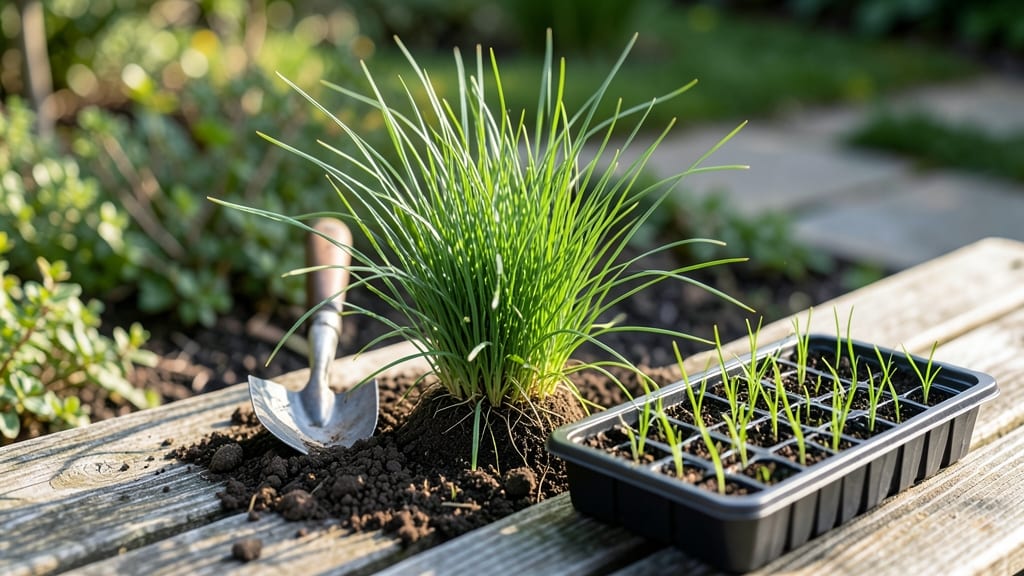
Planting fescue in Missouri during late summer to early fall gives it the best shot at deep root growth before winter 🌱 — and missing that window can leave you with patchy grass all season.
Missouri’s 5b-6a zones mean your timing depends on whether you’re in St. Louis, Kansas City, or a rural valley—each with its own frost risks and soil warmth quirks.
Here’s how to nail the 4-6 week window before the first frost, adjust for microclimates, and avoid the two biggest mistakes Missouri gardeners make when seeding.
You’ll walk away with exact dates for your zone, a soil prep checklist, and the one trick that saves fescue from summer dormancy before it even starts.
Missouri USDA zones & optimal fescue planting windows by region
Missouri’s USDA zones 5a-7a create distinct planting windows for cool-season fescue, where timing directly impacts root establishment and winter hardiness. Unlike warm-season grasses, fescue thrives when planted 4-6 weeks before first frost, giving seedlings time to develop deep roots before cold sets in.
In northern Missouri (zones 5a-5b), your window narrows to late August through early September, while southern areas (zones 6a-7a) can extend planting until mid-October.
St. Louis gardeners in USDA zone 6a often face urban heat island effects, pushing ideal planting dates slightly earlier (late August) to avoid summer stress. Meanwhile, rural areas near the Ozarks—like Springfield in zone 6b—can sometimes plant into early October thanks to cooler microclimates.
Kansas City’s zone 5b-6a transition requires careful monitoring of soil temperatures (50-65°F), as planting too late risks winter kill.
🌱 Key Insight: Missouri’s first frost dates vary by 3-4 weeks across regions, so always check your local National Weather Service or Missouri Botanical Garden resources. For example, northern Missouri’s first frost averages October 15, while southern Missouri may see frost as late as November 1.
| Region & USDA Zone | Optimal Planting Window | First Frost Avg. | Soil Temp. Threshold | Microclimate Notes |
|---|---|---|---|---|
| Northern MO (5a-5b) | Late August - Early September | October 10-15 | 50-60°F | Cooler nights; plant by Sept 10 for best results |
| St. Louis (6a) | Late August - Mid-September | October 15-20 | 55-65°F | Urban heat delays frost; water deeply in summer |
| Kansas City (5b-6a) | Early August - Early September | October 10-18 | 52-62°F | River valleys stay cooler; extend window to Sept 15 |
| Springfield (6b) | Mid-August - Early October | October 25-Nov 1 | 58-65°F | Ozark microclimates allow later planting |
| Southern MO (7a) | Late August - Mid-October | November 1-10 | 60-68°F | Warmest zone; avoid planting after Oct 15 |
For late-summer planting (August), focus on northern Missouri zones (5a-5b), where soil temperatures drop faster. In these areas, tall fescue varieties like ‘Kentucky 31’ establish best when seeded by August 15.
Southern zones (6a-7a) can handle late August starts, but prioritize fine fescue blends like ‘Creeping Red’ for their drought tolerance.
My pro tip: Use a soil thermometer to confirm temperatures are below 70°F before planting. In St. Louis’s urban core, asphalt and concrete can raise soil temps by 10-15°F, so plant 2 weeks earlier than rural areas.
For rural Ozark properties, elevation adjustments may shift your window by 1-2 weeks—higher elevations (like near Branson) cool faster.
Missouri’s variable rainfall also plays a role. In dry years, like 2022, I planted fescue in early September and supplemented with 1 inch of irrigation weekly until roots established. In wet springs, wait until soil is workable (not muddy) to avoid compaction.
Test your soil’s pH (6.0-7.0 ideal)—Missouri’s clay-heavy soils often need lime amendments for optimal fescue growth.
If you miss the fall window, some gardeners attempt spring planting (April-May), but results are 50% less successful due to summer heat stress. For sod installation, stick to fall timelines—sod roots more aggressively in cool weather.
In Kansas City’s urban heat islands, I’ve seen sod fail when installed after September 10 due to heat shock.
For rural Missourians with unique microclimates, like valleys near the Mississippi River, plant 1-2 weeks later than zone guidelines. These areas retain heat longer but also have
Microclimate adjustments: when to plant fescue in Missouri’s unique zones
Missouri’s diverse geography means your fescue planting timeline shouldn’t follow a one-size-fits-all approach. While USDA zones 5b-7a generally guide planting, local microclimates—like urban heat islands or river valleys—can shift the ideal window by 2-4 weeks.
Understanding these adjustments helps you avoid summer dormancy or winter kill, ensuring your fescue establishes strong roots before harsh Missouri winters.
Your soil temperature is the most critical factor, not just the calendar date. Aim to plant when daytime temps hover between 50°F and 65°F—this typically lands in late August to early October for most of Missouri.
However, if you live near the Missouri River or in elevated Ozark regions, cooler microclimates may push your window earlier, while urban areas like St. Louis often need a later start to escape summer’s heat stress.
Plant when soil temps stay between 50°F-65°F—use a soil thermometer to check 2-3 inches deep. In northern Missouri (zones 5b-6a), this often means starting in mid-August, while southern zones (6b-7a) may wait until early September.
Cities like St. Louis and Kansas City can be 5-10°F warmer than rural areas. Delay planting by 1-2 weeks to avoid heat stress—watch for wilted seedlings as a warning sign. Opt for shaded planting times (early morning or late afternoon) if starting in late August.
Areas near the Mississippi or Missouri River stay cooler due to humidity and airflow. Start planting 2 weeks earlier than zone guidelines—late July to early August—to capitalize on these natural cooling benefits. Monitor for excess moisture and adjust watering accordingly.
Use average first frost dates as a safety net: plant 4-6 weeks before frost in northern Missouri (e.g., by September 15) and 3-4 weeks before in southern zones (e.g., by October 1). Check your local Cooperative Extension Service for hyper-local adjustments.
Planting in late August gives seedlings 6-8 weeks to establish before winter, but risks summer heat spikes. Weigh this against early fall planting (September-October), which offers cooler temps but shorter growing season. For best results, aim for early September in most of Missouri.
If you’re torn between late summer vs. early fall, consider your fescue’s growth stage. Seedlings planted in late August may need extra watering to survive summer’s dry spells, while those sown in September benefit from natural rainfall and cooler nights.
For urban lawns, I recommend a split approach: start seeds in late August and overseed in early October to fill gaps.
Pro tip: Use a frost-sensitive plant (like marigolds) as a natural frost indicator. When they show signs of frost damage, you’ve got 2-3 weeks left to plant fescue in southern Missouri.
In northern zones, this window closes 4-6 weeks earlier, so stay vigilant with weekly soil checks.
Remember, Missouri’s variable humidity and unpredictable rainfall can throw off even the best-laid plans. Keep a seedling heat mat handy for late-summer plantings and mulch heavily to retain moisture during dry spells.
With these microclimate tweaks, your fescue will thrive regardless of whether you’re in St. Louis’s urban core or a rural Ozark valley.