
Flowers
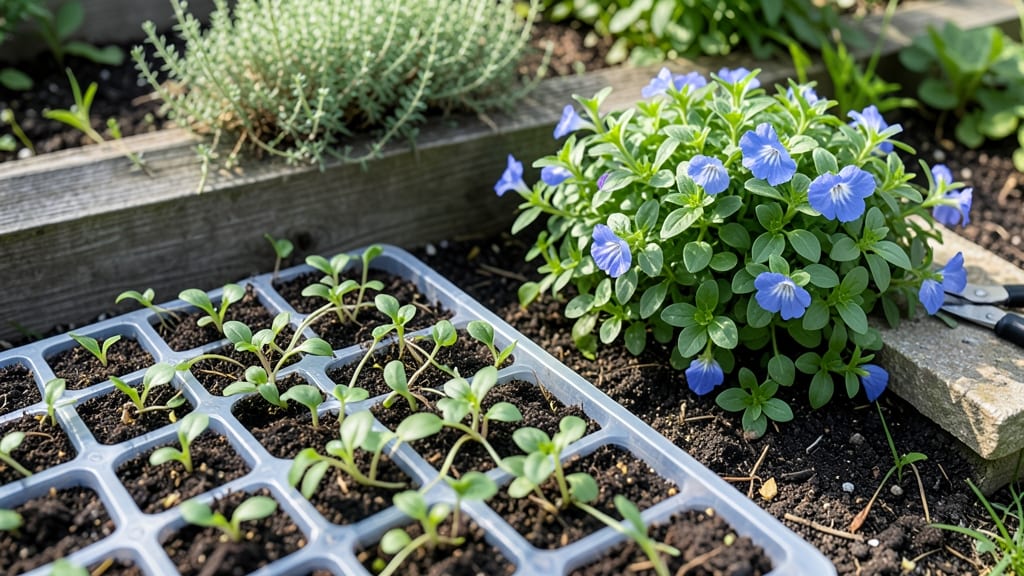
To plant flowers in Delaware at the perfect time means catching the spring window between late March and early May—or the fall stretch from September to October—when the soil is warm enough to root but not yet scorched.
Picture this: you’ve prepped the beds, ordered your favorite annuals, and then—BAM—a late frost hits in April, turning your pansies into sad, wilted ghosts. Or worse, you wait until June to plant your 🌸 marigolds, only to watch them bolt in the summer heat.
Delaware’s Zone 7a-7b climate gives you two prime chances to get it right, but the margins are tighter than you think.
Whether you’re a first-time gardener or a seasoned pro, timing is the difference between a garden that wows and one that fizzles.
Below, I break down the exact frost dates, the best flowers for each season, and how to stretch your planting windows with simple tricks—so you can enjoy blooms from early spring through late fall.
You’ll also find my top picks for Delaware-friendly flowers (including native varieties that thrive with minimal fuss), plus soil prep tips to give your plants the strongest start. Let’s make this the year your garden doesn’t just survive—it thrives.
Delaware’s 2024 frost dates & best flower planting months by type
Delaware’s Zone 8a climate creates a near-year-round growing season, but frost dates still dictate planting success. Based on historical data and 2024 projections, the average last frost typically occurs around April 15 (coastal areas may be 1-2 weeks earlier), while the first frost usually arrives November 15.
These dates give you a 240-day frost-free window—perfect for planning your flower garden.
For coastal microclimates (like Rehoboth Beach), expect warmer soil and earlier planting by 1-2 weeks. Inland areas (such as Dover) may need to wait until mid-April for safe planting. Always check local forecasts before planting frost-sensitive varieties like impatiens or begonias.
Here’s your planting timeline broken down by flower type, accounting for Delaware’s variable frost patterns and humidity levels:
| Flower Type | Planting Window | Notes for Delaware | Microclimate Adjustments |
|---|---|---|---|
| Annuals (e.g., marigolds, petunias) | After April 15 (coastal) or May 1 (inland) | Start seeds indoors by March 1 for earlier blooms. | Coastal: Plant 2 weeks earlier; Inland: Use row covers for late frosts. |
| Perennials (e.g., coneflowers, black-eyed Susans) | March 15-April 30 or September 15-October 15 | Fall planting establishes roots before winter. | Inland areas: Wait until mid-April for spring planting. |
| Bulbs (e.g., tulips, daffodils) | September-October (fall) for spring blooms | Plant 6 weeks before ground freezes (usually October 15). | Coastal: Plant later (November 1) due to slower soil cooling. |
| Fall Flowers (e.g., pansies, mums) | August-September | Choose cold-hardy varieties like pansies (Zone 7+). | Inland: Plant earlier (July) to avoid early frosts. |
| Tender Perennials (e.g., cannas, dahlias) | After May 15 (or use containers) | Dig and store tubers before first frost. | Coastal: Can stay outdoor longer (until October 30). |
For coastal gardeners, take advantage of Delaware’s longer growing season by planting warm-season flowers like zinnias or sunflowers as early as April 1. Inland areas should wait until mid-May to avoid late spring frosts, which can damage young seedlings.
Pro tip: Use mulch (2-3 inches of straw or shredded leaves) to protect roots during unexpected cold snaps. This is especially critical for tender annuals planted in May. Mulch also helps retain soil moisture during Delaware’s humid summers.
If you’re unsure about your local frost risk, sign up for free frost alerts from the National Weather Service or use a minimum thermometer in your garden.
For coastal Delaware, the Atlantic breeze can delay frosts by 1-2 weeks, while inland areas near wooded zones may experience colder pockets.
For fall planting, aim to get cool-season flowers like pansies
Top 10 flowers to plant in Delaware by season (with hardiness notes)
Delaware’s Zone 8a climate creates perfect conditions for year-round blooms, but choosing the right flowers—and planting them at the right time—is key. From frost-hardy pansies in winter to heat-loving black-eyed Susans in summer, these top 10 varieties thrive in Delaware’s humidity and soil.
I’ve ranked them by seasonal performance, cold tolerance, and low-maintenance traits to simplify your planting plan.
Native Delaware flowers like wild columbine and black-eyed Susans are standouts, but I’ve also included underrated varieties that handle Zone 8a’s summer heat and spring rains with ease.
Whether you’re a beginner or a seasoned gardener, these picks ensure continuous color with minimal fuss. Let’s dive into the best blooms for each season!
- 🌱 Early Spring (March-April): Plant pansies, violas, and dwarf irises after the last frost (around April 15). These cold-hardy annuals bloom in cooler temps and tolerate Delaware’s spring rains.
- ☀️ Late Spring (May): Add black-eyed Susans, coneflowers, and beardtongue for summer-long color. These perennials thrive in full sun and handle Zone 8a humidity.
- 🌿 Summer (June-August): Succession plant marigolds and zinnias every 3-4 weeks for non-stop blooms. These annuals attract pollinators and repel pests—ideal for Delaware’s summer heat.
- 🍂 Fall (September-October): Choose pansies, calendulas, and mums for autumn color. Plant bulbs like tulips in October for spring blooms the following year.
- ❄️ Winter (November-February): Focus on evergreen hellebores and winter jasmine for year-round interest. These perennials thrive in Delaware’s mild winters and add texture to dormant gardens.
For coastal Delaware (like Rehoboth Beach), opt for salt-tolerant varieties like sea thrift or beach roses, which handle salty winds and sandy soil. Inland areas can support moisture-loving flowers like hostas or astilbes, which thrive in richer soil and shadier spots.
Always amend soil with compost before planting to improve drainage and fertility.
My top underrated pick for Delaware gardens is Russian sage—a drought-tolerant perennial that blooms from summer to fall and attracts butterflies. It handles Zone 8a’s heat and humidity better than many lavenders, making it a low-maintenance superstar. Pair it with black-eyed Susans for a high-impact, low-effort combo.
Pro tip: Mulch heavily in fall to protect tender perennials like dahlias from freeze-thaw cycles. In spring, remove mulch early to warm soil faster and encourage early blooms. Delaware’s variable frost dates mean timing matters—don’t rush!
Ready to transform your garden? Start with 3-5 varieties from this list, and expand as you see what thrives in your specific microclimate. With the right seasonal mix, your Delaware garden can bloom almost 12 months a year—even in Zone 8a’s humidity! 🌿