
Flowers
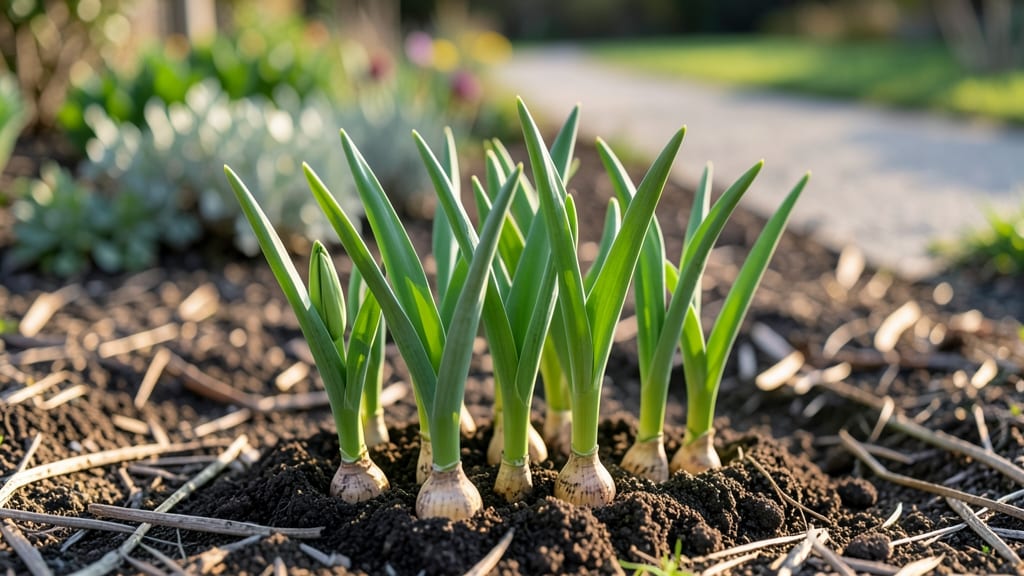
Planting flowers in spring at the right time means the difference between a garden that thrives 🌸 and one that struggles through the season.
Timing your spring flower planting wrong can mean wilting dreams before blooms even appear—but getting it right unlocks a garden bursting with color and fragrance all season.
Most gardeners in Zone 6a wait until after the last frost (around April 15 for most areas), but the exact moment depends on your specific flowers, soil temperature, and even microclimates in your yard.
Below, I break down the best planting windows for annuals vs. perennials, how to adjust for late frosts, and the 5 most common mistakes that ruin spring plantings before they begin.
How to determine your local frost dates for perfect flower planting
Timing your spring flower planting around local frost dates is the secret to vibrant blooms that last all season. Frost-sensitive flowers like marigolds and zinnias can't handle even a light freeze, while cold-hardy perennials like lavender thrive after winter's chill.
The key? Understanding your last average frost date and adjusting for your specific microclimate.
Start by finding your USDA hardiness zone—this tells you your general climate range, but remember: zones are broad averages.
For example, Zone 7 might have last frost dates ranging from March 15 to April 15 depending on elevation and proximity to water bodies. Mountain gardens often experience frost 2-4 weeks later than valley gardens just miles away.
Next, check your local weather records for the past 5-10 years. Many agricultural extension offices maintain frost date databases, or you can use free tools like the National Oceanic and Atmospheric Administration (NOAA) frost calculator. These provide historical frost dates that are far more accurate than general zone guidelines.
For annual flowers, aim to plant 2-4 weeks after your last average frost date.
This buffer accounts for late frosts and gives seedlings time to establish roots. Perennial flowers like coneflowers or black-eyed Susans can handle cooler soil, so you can plant them 1-2 weeks earlier—but always check their specific hardiness ratings.
Here's how to adjust for your region using real-world examples:
🌱 Pacific Northwest (Zone 7-8): Last frost typically April 1-15, but coastal areas may be frost-free by March 15. Plant tender annuals after April 15, while cool-season flowers like pansies can go in as early as February.
🌱 Southeastern U.S. (Zone 8-9): Last frost dates range from February 15 to March 15. Warm-season flowers like petunias should wait until soil reaches 60°F (usually late March). Bulbs like tulips can be planted in fall or early spring here.
🌱 Northern Plains (Zone 4-5): Last frost often lands between May 1-15. Cold-hardy annuals like snapdragons can handle light frosts, while tropical flowers like impatiens must wait until after May 30.
| Plant Type | Last Frost Date | Planting Window | Soil Temp Requirement | Notes |
|---|---|---|---|---|
| Cold-Hardy Annuals | 2-4 weeks before last frost | March-April (Zones 5-7) | 40-50°F | Snapdragons, sweet peas |
| Tender Annuals | 2-4 weeks after last frost | April-May (Zones 5-7) | 60-65°F | Marigolds, zinnias, petunias |
| Perennials | 1-2 weeks after last frost | March-April (Zones 5-7) | 50-55°F | Coneflowers, lavender, daylilies |
| Bulbs | Fall (6-8 weeks before first frost) OR early spring | September-October OR March-April | 40-50°F | Tulips, daffodils, hyacinths |
| Vegetable Flowers | After last frost when soil is 45°F+ | April-May (Zones 5-7) | 50°F minimum | Broccoli, cabbage, kale flowers |
Pro tip: Use biodegradable frost blankets to extend your planting season by 2-3 weeks for tender flowers. These lightweight covers trap heat during the day and protect against late frosts at night. I've successfully grown impatiens in Zone 5 by using frost blankets until Memorial Day weekend.
For urban gardeners,
Best flower varieties by planting timeline (cool vs. warm season flowers)
Spring planting success hinges on understanding whether your flowers thrive in cool or warm seasons. Cool-season blooms like tulips and pansies tolerate light frosts, while warm-season favorites such as marigolds and zinnias need soil temperatures above 60°F.
Planting at the wrong time risks stunted growth or no blooms at all.
For most regions, cool-season flowers go in early spring—6-8 weeks before your last frost date—while warm-season flowers wait until 2-4 weeks after frost. Perennials like lavender and coneflowers often need fall planting too, but spring is their second chance. Let’s break down the best varieties by timing.
Tulips, Daffodils, Pansies, Snapdragons, Sweet Alyssum
Lungwort, Bleeding Heart, Columbine, Foxglove
Marigolds, Zinnias, Petunias, Impatiens, Sunflowers
Lavender, Coneflowers, Black-Eyed Susans, Russian Sage
Tulips, Hyacinths, Alliums, Daffodils
My cool-season flowers always get planted in late winter or early spring—think 4-6 weeks before your last frost date. These hardy varieties handle chilly soil and even light frosts.
For example, tulip bulbs planted in November bloom by April, while pansies sown in March thrive in cool but not freezing temperatures.
Warm-season flowers, like marigolds and zinnias, need to wait until after your last frost date. I test soil temperature with a thermometer—if it’s consistently above 60°F, it’s safe to plant.
These varieties love heat and sunlight, so rushing them into cold soil will stunt their growth. Petunias and impatiens are especially sensitive and won’t bloom well if planted too early.
Don’t forget perennials! Many, like coneflowers and lavender, can be planted in spring or fall. I often divide established perennials in early spring to give them a head start.
For tender perennials like canna lilies, wait until after all frost risk has passed—usually mid-May in most zones.
Pro tip: Use mulch after planting cool-season flowers to protect roots from temperature swings. For warm-season flowers, a slow-release fertilizer at planting time ensures strong early growth. Zinnias and sunflowers planted too late may still bloom, but they’ll be shorter and less vibrant.