
Trees
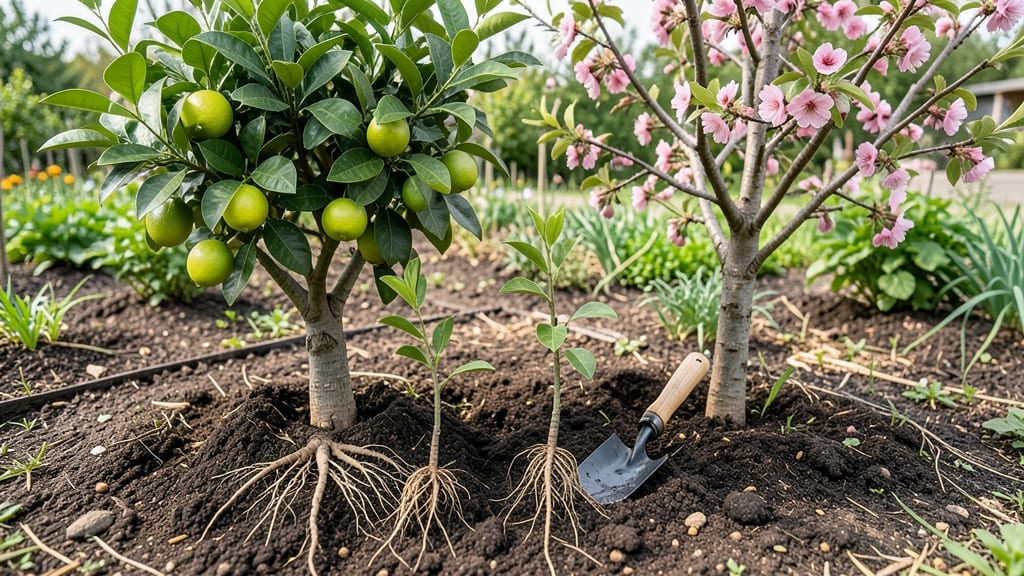
Planting fruit trees 🍎 in South Africa at the wrong time can mean the difference between a thriving orchard and years of disappointment.
With summer and winter rainfall regions, coastal warmth, and highland chills, timing is everything—but most gardeners get it wrong. Whether you're in the Mediterranean Cape or the subtropical KwaZulu-Natal, the best months depend on your climate zone and the type of fruit tree you’re growing.
Citrus thrives when planted in winter to avoid summer heat stress, while stone fruits like peaches need cooler spring soil to establish roots. Get the timing wrong, and you risk stunted growth, poor fruiting, or even tree death.
In this guide, I’ll break down the ideal planting windows by region, soil prep tips, and post-planting care to set your fruit trees up for success—no matter where you live in South Africa.
South Africa’s best fruit tree planting months by climate zone
South Africa’s climate zones create a complex puzzle for fruit tree planting. Winter rainfall areas like the Western Cape demand spring planting (August-October), while summer rainfall regions such as KwaZulu-Natal thrive with winter planting (April-June).
Even within these zones, frost-sensitive citrus needs different timing than hardy stone fruits like peaches. Understanding your local microclimate is key to avoiding root shock or frost damage.
In coastal subtropical regions like Durban, you can plant citrus and avocados almost year-round, but early spring (September-October) gives roots time to establish before summer heat. Meanwhile, Highveld gardeners must plant peaches and plums in late winter (August-September) to avoid spring frosts.
The wrong timing can mean delayed fruiting or even tree death.
🌱
For summer-rainfall regions like Mpumalanga and Limpopo, planting in late winter (August-September) ensures young roots establish before the heavy summer rains. This timing also helps stone fruits like peaches and plums bloom after frost danger has passed.
In these areas, citrus trees should only be planted in protected microclimates or containers, as frost can kill them.
In subtropical coastal areas, such as the KwaZulu-Natal coast and Eastern Cape, the planting window shifts to early spring (September-October).
Here, citrus and mangoes thrive year-round, but planting in spring gives them time to establish roots before the hot, dry summer. Avocados, though subtropical, need well-draining soil to prevent root rot in these humid conditions.
If you're in a frost-prone area like the Highveld (Pretoria, Johannesburg), avoid planting frost-sensitive varieties like citrus or avocados. Instead, focus on peaches, plums, and pears, which can handle light frosts.
Plant these in late winter (August-September) to ensure they break dormancy after the last frost but before summer heat sets in.
Soil preparation is just as critical as timing. In sandy soils (common in coastal areas), add compost and organic matter to retain moisture. In clay-heavy soils (like parts of the Highveld), amend with sand and gypsum to improve drainage. Mulching with straw or wood chips helps regulate soil temperature and retain moisture during the critical first year.
One common mistake is planting bare-root trees too late in the season. These should go into the ground immediately after purchase to prevent root desiccation.
If you must delay, heelt them in (temporarily bury the roots in a trench) and keep the soil moist. Container-grown trees, on the other hand, can be planted year-round in subtropical zones, but spring is still ideal for root establishment.
For container growing, choose dwarf or semi-dwarf varieties like dwarf citrus or columnar apples. These can be planted in late winter (August-September) in most regions, giving them time to adjust to pot conditions before active growth. Use a well-draining potting mix and ensure the
How to adjust planting times for frost-prone vs. heat-tolerant fruit trees
South Africa’s diverse climates demand precise planting adjustments. In frost-prone regions like the Highveld, timing must avoid late autumn or early spring, when frost damage can kill young trees.
Meanwhile, in KwaZulu-Natal’s year-round warmth, planting during cooler months like May-July prevents heat stress. The key? Understanding your microclimate and choosing frost-hardy or heat-tolerant varieties accordingly.
For Highveld gardeners, prioritize late winter planting (August-September) when soil temperatures stabilize above 10°C (50°F). This gives roots time to establish before winter chill sets in.
In contrast, KwaZulu-Natal’s subtropical climate allows year-round planting, but June-August is ideal to align with natural rainfall patterns and avoid summer heatwaves.
Planting Adjustments: Frost-Prone vs. Heat-Tolerant Zones
Frost-Prone Zones (Highveld)
- ✅ Pros: Cooler soil protects roots
- ✅ Pros: Lower pest pressure
- ❌ Cons: Limited planting window
- ❌ Cons: Frost risk if planted too late
Best Months: August-September
Heat-Tolerant Zones (KwaZulu-Natal)
- ✅ Pros: Year-round planting flexibility
- ✅ Pros: Faster root establishment in warmth
- ❌ Cons: Higher water needs
- ❌ Cons: Pest/disease risks peak in summer
Best Months: June-August
Soil preparation is non-negotiable. In frost-prone areas, amend soil with organic matter (compost or well-rotted manure) to improve drainage and insulation. Add a 3-inch mulch layer of straw or wood chips to protect roots from temperature swings.
For heat-tolerant zones, focus on moisture retention—mix in hydromulch or coconut coir to lock in humidity during dry spells.
Post-planting care differs dramatically. In Highveld frost zones, install frost cloths or tree wraps for the first two winters. Water deeply but infrequently to encourage deep root growth before winter dormancy.
In KwaZulu-Natal, prioritize drip irrigation to maintain consistent moisture without wetting foliage, reducing fungal risks like anthracnose.
Variety selection is your secret weapon. Peaches and plums thrive in frost-prone areas but need late-winter planting to avoid spring frosts. Citrus and mangoes, meanwhile, demand heat-tolerant soil prep—avoid planting during summer’s peak (November-February) when heat stress peaks. Always check rootstock compatibility with your climate zone.
Remember: soil temperature matters more than air temperature. Use a soil thermometer to confirm roots can establish—ideal ranges are 10-20°C (50-68°F). In frost zones, wait until soil warms consistently above 10°C before planting. In heat zones, avoid planting when soil exceeds 30°C (86°F) to prevent root burn.