
Plants
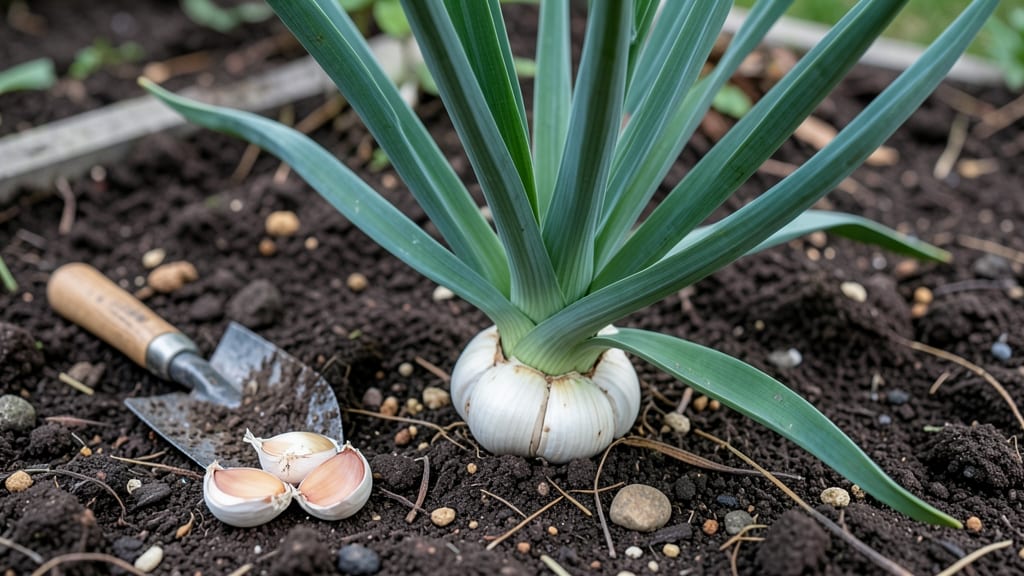
Planting garlic in Northeast Ohio between October and November is the secret to hardy, flavorful bulbs 🧄 — timing this window ensures your crop survives the winter and thrives by next summer.
Timing is everything when growing garlic in Northeast Ohio—plant too early or too late, and you risk stunted bulbs or weak harvests. Hardneck varieties thrive in the region’s cold winters, but knowing the exact fall window ensures robust growth and flavorful harvests next summer.
Here in USDA Zone 6a, garlic needs 4–6 weeks before the ground freezes to establish roots. That means aiming for mid-October to mid-November, depending on your microclimate. Too soon, and your cloves may sprout early; too late, and they won’t develop properly before winter.
Below, I’ll walk you through the ideal planting schedule, soil prep tips, and how to adjust for Northeast Ohio’s unpredictable frosts—so you can harvest plump, papery-skinned garlic by late June.
Optimal fall planting window for Northeast Ohio garlic
Northeast Ohio’s USDA Zone 6a climate creates the perfect conditions for hardneck garlic—but only if you plant at the right time. The 4-6 week window between October 15 and November 15 gives garlic cloves enough time to establish roots before winter dormancy.
This cold period is critical because hardnecks require vernalization (a period of cold) to form bulbs properly.
Planting too early (before October 15) risks excessive top growth that weakens before winter, while planting after November 15 may leave cloves vulnerable to frost heave or insufficient root development. The goal is to balance root establishment with winter protection—a delicate act in Ohio’s variable fall weather.
| Planting Window | Soil Temperature | Frost Readiness | Root Development |
|---|---|---|---|
| October 15–31 | 50–60°F (ideal) | First frost likely after | Strong roots before freeze |
| November 1–15 | 40–50°F (acceptable) | Ground may freeze soon | Moderate root growth |
| After November 15 | Below 40°F | High frost risk | Poor bulb formation |
The science behind hardneck garlic’s cold requirement lies in its vernalization process. During winter dormancy, garlic cloves undergo physiological changes that trigger bulb formation in spring. In Northeast Ohio, 40–50°F soil temperatures for 6–8 weeks are ideal.
If planted too late, cloves may not complete this process, resulting in small, weak bulbs or even no harvest.
Monitor soil temperatures using a soil thermometer—aim for planting when temps hover around 50–60°F. In colder microclimates (like Youngstown), prioritize the earlier side (October 15–25), while warmer urban areas (like Cleveland) can extend to November 1–10.
Always check frost forecasts to avoid planting when a hard freeze is imminent.
Another critical factor is frost cycles. Garlic cloves can tolerate light frosts after planting, but prolonged freezing (below 20°F) can damage emerging roots. A 4–6 inch layer of mulch (straw or leaves) insulates the soil and protects cloves.
Without mulch, late-planted garlic risks frost heave, where soil expands and contracts, pushing cloves out of the ground.
If you miss the October 15–November 15 window, don’t despair—garlic can still be planted in early December, but expect smaller bulbs. The key is to plant as soon as the ground is workable, even if it means using a shovel to break up frozen soil.
However, spring planting (March–April) is only recommended for softneck varieties, not hardnecks, which won’t form proper bulbs without winter chilling.
For best results, choose hardneck varieties like ‘Music’ or ‘German White’, which thrive in Ohio’s climate. Break apart bulbs into individual cloves, plant the pointy end up, and space them 4–6 inches apart in rows 12 inches apart.
This spacing ensures adequate airflow and reduces disease risk.
Once planted, water lightly to settle the soil, then reduce watering until spring. Overwatering in fall can lead to rot, while underwatering stresses cloves. In spring, resume watering when shoots emerge, aiming for 1 inch of water per week.
Avoid fertilizing in fall—garlic needs to focus on root development, not top growth.
By adhering to this October 15–November 15 window and understanding the role of cold temperatures and frost cycles, you’ll set your garlic up for a bountiful harvest in late June or July.
The effort pays off with large, flavorful bulbs perfect for braiding or cooking—all thanks to timing your planting just right.
How to adjust planting dates based on Northeast Ohio’s microclimates
Northeast Ohio’s diverse microclimates—from Cleveland’s lake-effect zones to Youngstown’s inland valleys—create unique planting windows for garlic. Urban areas like Akron experience heat islands that delay frost, while higher elevations near Geauga County see earlier freezes. Understanding these variations helps you time garlic planting for maximum bulb development.
For example, Cleveland’s lakeside areas often have 2-3 weeks later frost dates than inland Youngstown.
This means garlic planted in early November near Lake Erie might still thrive, while inland gardeners should aim for mid-October to avoid winter stress. Soil temperature is your best guide—wait until it drops to 40-50°F before planting.
🌱 Microclimate Adjustments for Northeast Ohio Garlic Planting
- 📍 Cleveland/Akron (Lake Effect): Plant October 20–November 10—delay frost by 2-3 weeks near water.
- 🏞️ Youngstown/Inland: Plant October 1–October 25—earlier frost risks overwintering issues.
- ⛰️ High Elevations (Geauga, Ashtabula): Plant September 25–October 15—colder microclimates freeze sooner.
- 🏙️ Urban Heat Islands (Columbus, Canton): Plant October 15–November 5—warmer soil delays frost.
- 🌡️ Soil Temp Check: Use a soil thermometer—plant when temps hit 40-50°F at 4" depth.
To fine-tune your planting date, check the National Weather Service’s frost forecast for your specific ZIP code. For instance, Cleveland’s average first frost occurs around October 15, but urban pockets like Parma or Maple Heights may push that to November 1.
Plant garlic 4-6 weeks before your area’s hard freeze date—this gives roots time to establish before dormancy.
Another critical factor is urban heat islands. Cities like Cleveland or Akron can be 5-10°F warmer than rural areas, extending the growing season. If you’re in a concrete-heavy neighborhood, consider planting 1-2 weeks later than rural guidelines.
Monitor nighttime lows—garlic cloves need consistent cold to form bulbs, so avoid planting if temps fluctuate above 50°F.
For high-altitude areas like Geauga County (elevation 1,000+ feet), plant earlier—aim for September 25–October 15. These regions experience earlier and harsher frosts, so rushing planting can lead to frozen cloves or poor bulb development.
Use row covers or straw mulch to insulate plants if late frosts threaten.
Before planting, perform a quick soil readiness check:
- ✅ Soil temp: 40–50°F at 4" depth
- ✅ Frost forecast: No hard freeze in 4–6 weeks
- ✅ Moisture: Well-drained but damp soil