
Plants
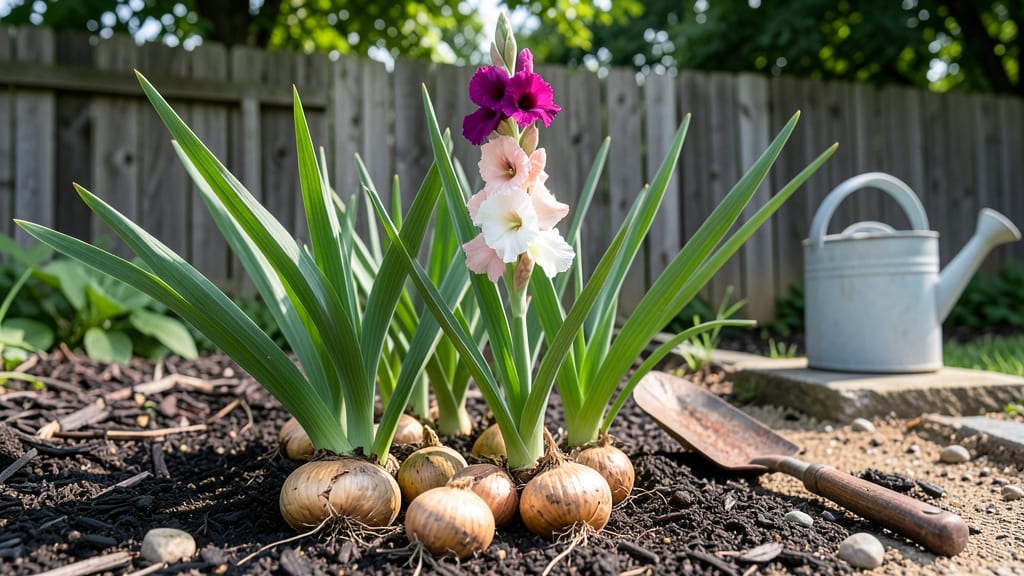
Planting gladiolus bulbs in Indiana after the last frost — typically late April to early May — is the key to bold summer blooms that steal the show in any garden.
Indiana gardeners know that timing is everything when it comes to growing vibrant gladiolus blooms—but planting too early or late can mean missed summer color.
With Indiana’s unpredictable USDA Zone 5-6 climate, knowing the exact window for gladiolus bulb planting can mean the difference between a showstopping garden and a disappointing flop.
These stunning 🌸 gladiolus thrive when the soil warms to at least 60°F, signaling it’s safe to tuck those corms 4–6 inches deep and 4–6 inches apart. But don’t wait too long—once June rolls around, the heat can stress young plants before they’ve had a chance to root.
Below, I’ll break down the perfect planting schedule for Indiana’s zones, share soil prep secrets to give your gladiolus a head start, and reveal whether containers or in-ground beds work better for our climate. Let’s make sure your garden is bursting with color by July!
Optimal gladiolus planting dates in Indiana by USDA Zone 5-6
Indiana’s USDA Zones 5-6 offer a perfect climate for growing gladiolus blooms, but timing your planting is critical. The last frost date typically falls between April 15-30, depending on your region, with northern Indiana (Zone 5) often experiencing frost a week later than southern Indiana (Zone 6).
Planting too early risks frost damage, while waiting too long may delay summer blooms.
For maximum summer color, aim to plant gladiolus corms 2-3 weeks after your area’s last frost date. This usually translates to late April to early May for most of Indiana.
However, early blooming varieties can be planted as soon as soil temperatures reach 60°F (15°C), which often happens by mid-April in southern Indiana.
Soil temperature is just as important as air temperature. Gladiolus corms need soil that’s warmed to at least 55°F (13°C) to sprout consistently. In northern Indiana, this may not occur until May 1-15, while southern Indiana gardeners can plant as early as late April.
Here’s a quick reference for Indiana’s microclimates and when to plant:
| Region | Last Frost Date | Optimal Planting Window | Soil Temp Requirement | Early Varieties |
|---|---|---|---|---|
| Northern Indiana (Zone 5) | April 22-May 5 | May 1-15 | 60°F (15°C) | Late April (if soil is warm) |
| Central Indiana (Zone 5b-6a) | April 15-28 | Late April-May 1 | 55°F (13°C) | Mid-April (for early blooms) |
| Southern Indiana (Zone 6) | April 5-15 | Late April-Early May | 50°F (10°C) | Early April (risky, use frost cloth) |
For early blooming varieties, consider planting in containers or using black plastic mulch to warm the soil faster. This can shave off 1-2 weeks from your planting timeline, allowing you to enjoy blooms as early as late June instead of July.
If you miss the ideal window, don’t panic! Gladiolus can tolerate light frosts once shoots emerge, but avoid planting when nighttime temperatures dip below 45°F (7°C). For late plantings, opt for late-season varieties that bloom in August-September, extending your garden’s color palette.
Pro tip: Use a soil thermometer to check temperatures before planting. Gladiolus corms won’t sprout until soil reaches 60°F (15°C), even if air temperatures seem warm. This tool is especially useful in northern Indiana, where soil warms more slowly.
Once planted, maintain consistent moisture for the first 30 days to encourage root establishment. Mulch with straw or shredded leaves to retain soil warmth and suppress weeds, which is particularly important in Indiana’s humid summers.
With the right timing, your gladiolus will reward you with bold summer blooms from July through September, adding height and drama to your garden beds. Just remember: patience is key—rushing the process can lead to stunted growth or missed blooms.
🌸
How to adjust planting time for Indiana’s unpredictable weather patterns
Indiana’s late spring frosts and unpredictable heatwaves can throw off even the most experienced gardener’s timing. Gladiolus bulbs (corms) need consistent warmth to thrive, but planting too early risks frost damage, while waiting too long shortens the bloom season.
The key is flexibility—adjusting your schedule based on soil temperature, microclimates, and backup plans for delays.
Start by monitoring your local last frost date, which typically falls between April 15 and May 1 in Indiana. However, northern Indiana (Zone 5) often experiences frost 2-3 weeks later than southern Indiana (Zone 6).
Use a soil thermometer to confirm the ground has warmed to at least 60°F (15°C)—this ensures your gladiolus corms won’t rot in cold soil.
⚠️ WARNING: Late Frost Risk ⚠️
To extend your planting window, try these soil-warming hacks:
- Lay down black landscape fabric 1-2 weeks before planting to absorb sunlight and raise soil temps.
- Use straw mulch (not wood chips) to insulate the soil while allowing moisture to penetrate.
- Plant in raised beds, which warm up 1-2 weeks faster than in-ground soil.
If Indiana’s weather throws you a curveball—like a sudden heatwave in May or an unexpected frost in June—gladiolus can handle some flexibility. For late plantings, choose early-blooming varieties like ‘Picasso’ or ‘Green Star’ (they mature in 90-100 days) and plant by June 15 for late-summer blooms.
Just be prepared for shorter stems if planted after Memorial Day.
For early cold snaps, protect young shoots with frost cloth or a mini greenhouse until they reach 6 inches tall. Once established, gladiolus are drought-tolerant but hate soggy roots—so adjust your watering schedule if rain delays planting.
Aim for 1-1.5 gallons per plant every 3-5 days once shoots emerge.
Pro tip: Keep a backup batch of corms stored in a cool, dry place (like a paper bag in the fridge) until late June. This lets you replant if frost wipes out your first attempt—a lifesaver for Indiana’s erratic spring weather.
With these adjustments, you’ll turn unpredictability into longer bloom seasons and healthier gladiolus year after year. 🌸