
Plants
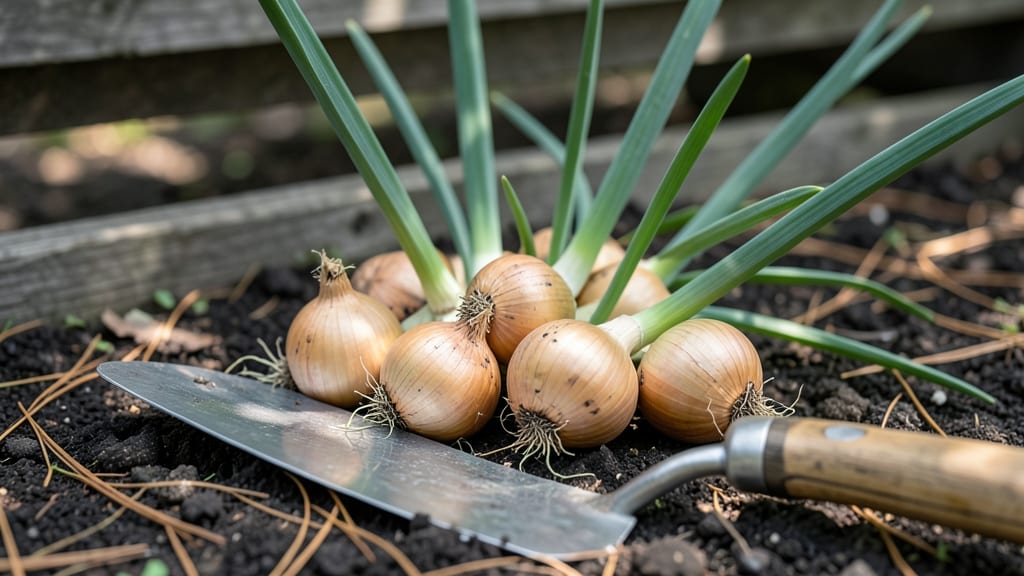
To plant gladiolus bulbs in Oregon, aim for April through May after the last frost—this timing unlocks vibrant summer blooms that thrive in the state’s 7b-9a zones.
Oregon’s mild yet unpredictable climate can make timing the perfect moment to plant gladiolus bulbs tricky—but getting it right ensures stunning summer blooms that last for weeks.
Whether you're a seasoned gardener or a first-time planter, knowing the ideal window and local conditions is key to success. Coastal areas may need a slightly later start, while inland zones can plant earlier.
Below, I’ll break down the best months, soil prep tips, and how to adjust for Oregon’s ever-changing weather—so you can enjoy those 🌸 blooms from July through September.
Best planting months for gladiolus in Oregon’s climate zones
Oregon’s diverse climate—from the coastal fog of the West to the warmer inland valleys—creates distinct planting windows for gladiolus bulbs. In USDA zones 7b-9a, timing your bulbs correctly ensures robust root growth before summer heat arrives.
The key is planting after the last frost but before soil temperatures exceed 75°F, which can stress young roots.
For Western Oregon (zones 7b-8b), where cooler temperatures linger, the ideal window spans mid-April to early May. Eastern regions like the Willamette Valley and Columbia Gorge (zones 8a-9a) can start slightly earlier, around late March to April.
Always verify your local last frost date—Portland’s average is April 15, while coastal areas like Astoria may wait until May 1.
Soil temperature is critical: gladiolus bulbs need 50-60°F soil to sprout. Use a soil thermometer to confirm readiness. In Eastern Oregon, where springs warm faster, you might plant as early as March 15 in zone 9a areas like Pendleton, but coastal gardeners should hold off until May to avoid frost damage.
| Region | USDA Zone | Best Planting Window | Last Frost Date | Soil Temp Threshold |
|---|---|---|---|---|
| Western Oregon (Coastal) | 7b-8b | Mid-April to Early May | May 1 (Astoria) | 50-60°F |
| Willamette Valley | 8a-8b | Late March to April 15 | April 15 (Portland) | 55-65°F |
| Eastern Oregon (Columbia Gorge) | 8a-9a | March 15 to April | March 25 (Hood River) | 60-70°F |
| High Desert (Bend, La Grande) | 7a-7b | May 1 to May 15 | May 10 (Bend) | 50-55°F |
If you’re in a high-desert area like Bend or La Grande (zone 7a-7b), wait until May 1 to plant. These regions experience later frost risks and cooler soils.
Conversely, zone 9a pockets in Southern Oregon (e.g., Medford) can plant as early as February 15 under row covers for a head start.
Pro tip: Test your soil’s readiness by pushing a thermometer 4-6 inches deep (the planting depth for gladiolus). If it’s below 50°F, delay planting. In coastal Oregon, where fog delays warming, consider using black plastic mulch to raise soil temperatures by 5-10°F.
For extended blooms, stagger planting by 2-3 weeks. Start with early varieties in April and follow with mid-to-late bloomers in May. This ensures flowers from July through September, even if your first batch finishes early.
Just avoid planting after June 15, as bulbs need 8-10 weeks to establish roots before summer heat arrives.
Watch for unpredictable late frosts, especially in valley regions. If frost is forecasted after planting, cover bulbs with frost cloth or straw mulch. In Eastern Oregon, where nights can still dip below 32°F in early May, this precaution is a must.
Always check the National Weather Service or local Oregon State University Extension for updates.
Finally, adjust for microclimates. A south-facing slope in Eugene may warm 2 weeks earlier than a north-facing garden in Corvallis. Use these regional guidelines as a starting point, then fine-tune based on your specific yard conditions.
With the right timing, your gladiolus will reward you with bold, vibrant blooms that turn heads all summer long.
🌸
How to adjust planting time for Oregon’s unpredictable weather patterns
Oregon’s unpredictable weather can throw off even the best-laid planting plans. While gladiolus bulbs thrive in April-May, sudden frosts or late springs often force adjustments. The key is flexibility—knowing how to delay, extend, or protect your planting window without sacrificing blooms.
For coastal areas like Portland or Eugene, where fog delays warming, start bulbs in containers indoors 4-6 weeks before your target date. Inland regions like Bend or Pendleton may face early heatwaves, so opt for shade cloth or drip irrigation to maintain moisture during dry spells.
⚠️ callout warning
Even after April 15, late frosts can hit Oregon’s valleys. Use row covers or plant gladiolus bulbs in microclimates (e.g., near south-facing fences) to trap heat. Monitor local frost alerts via Oregon State University’s AgriMet for real-time updates.
If spring stalls unexpectedly, shift to June planting for a second bloom cycle. Choose early-maturing varieties like ‘Picasso’ or ‘Green Star’—they’ll still produce 3-4 weeks of flowers before frost. Just plant deeper (6 inches) to protect roots from summer heat stress.
For soil warming, lay down black plastic mulch 2-3 weeks before planting. This raises soil temps by 10-15°F, jumpstarting root growth. Pair it with straw mulch afterward to retain moisture and deter weeds—critical in Oregon’s dry summers.
Pro tip: Use a planting calendar with backup dates. For example, if your last frost slips to May 1, adjust to May 15-June 1 for bulbs. Track soil temps (aim for 60°F+thermometer to avoid planting too soon in cold, damp soil.
With these strategies, you’ll extend Oregon’s gladiolus season by weeks—even when Mother Nature throws curveballs. Start small, observe your microclimate, and don’t hesitate to adjust timing based on real-time conditions. Your garden (and blooms!) will thank you. 🌸