
Plants
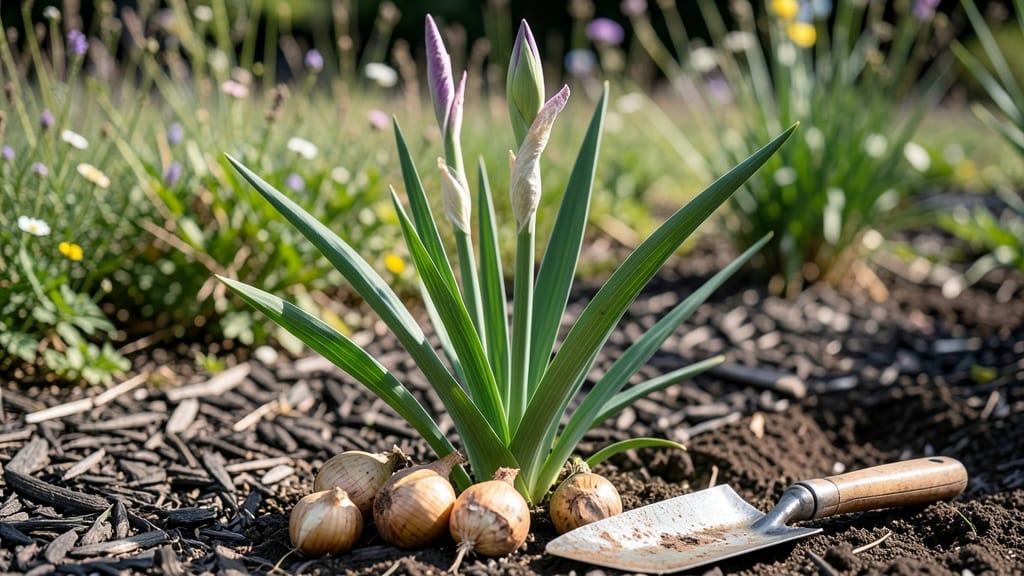
Plant gladiolus in Maine between late April and mid-June, when soil temperatures hit 55°F+ and the last frost has passed — timing that makes all the difference for tall, vibrant blooms 🌸.
Maine’s unpredictable spring frost and short growing season demand precise timing for planting gladiolus—but getting it wrong can mean lost blooms or stunted growth.
If you plant too early, a late frost will damage tender shoots; too late, and the heat arrives before the corms establish roots. The sweet spot? After May 15 in most of the state, when the soil is warm enough to encourage strong root development.
Below, I break down the exact frost-free deadlines by region, soil temperature checks, and heat-ready timelines to ensure your gladiolus thrive in Maine’s variable climate.
Maine’s frost-free deadline for gladiolus planting (by region)
Timing your gladiolus planting in Maine is all about beating frost while waiting for warm soil—two moving targets in our variable climate.
The last average frost varies by region, but soil temperature matters more than calendar dates. Gladiolus corms need 55°F+ soil to sprout reliably, and planting too early risks rot from lingering cold.
Southern Maine (Zones 6a-6b) has the longest growing season, while Northern Maine (Zones 5a-5b) faces earlier frosts. Coastal areas enjoy slightly milder springs, but even they can experience late frosts in May. Understanding these regional deadlines ensures your gladiolus blooms thrive before Maine’s short summer fades.
Here’s how to align your planting with Maine’s frost-free windows—including the soil temperature thresholds that separate success from disappointment. Use this as your planting calendar to avoid the two biggest mistakes: planting too early (rot risk) or too late (missed blooms).
🌱
Southern Maine gardeners have the most flexibility, with a 6-week window from late April to late May.
But don’t wait until May 20—soil may still be too cold for gladiolus corms to establish roots. Coastal Maine enjoys a slightly extended window thanks to the Gulf of Maine’s warming effect, but late frosts can still sneak in.
Northern Maine’s shorter season demands precision: plant between May 1 and June 5, but June 10 is your absolute deadline. After that, your gladiolus blooms may not mature before Maine’s first fall frost (typically October 1). Use black plastic mulch to warm soil faster in cooler regions.
Pro tip: Test your soil temperature at 6 inches deep—where gladiolus corms will sit.
If it’s below 55°F, wait. Corms planted in cold soil rot before sprouting, wasting your time and money. Northern Maine gardeners, consider starting corms indoors in biodegradable pots 4-6 weeks before your target planting date.
🌿
Even within these windows, microclimates matter. A south-facing slope warms up faster than a north-facing garden bed, potentially shaving 1-2 weeks off your planting timeline. Urban areas with pavement may experience heat islands, allowing earlier planting.
Always monitor your specific garden’s conditions rather than relying solely on regional averages.
For late bloomers or those in Zone 5a, consider container gardening. Pots warm up faster and can be moved to protected microclimates (like near a south-facing wall) to extend the growing season. Just ensure containers have drainage holes to prevent corm rot.
Remember: Gladiolus planted too early may survive frost but won’t bloom until late summer—if at all. Plant at the right time, and you’ll enjoy vibrant blooms from July through September, just as Maine’s summer peaks. Don’t miss this critical window—your gladiolus dreams depend on it!
☀️
Heat-ready timeline: when gladiolus corms need to go in the ground
Gladiolus corms thrive when planted in warm soil—ideally between 60°F and 70°F. In Maine, this means waiting until late May or early June in most regions, after the last frost date and when the ground consistently stays above 55°F.
Planting too early risks rot from cold soil, while waiting too long can stunt growth before fall frost hits.
Maine’s variable summers add complexity. Southern Maine can handle earlier planting, but northern zones like USDA 5b need to wait until June 1st or later. Use a soil thermometer to confirm readiness—gladiolus corms need warmth to sprout efficiently.
- ✅ Soil Temp Check: Wait until soil reaches 60°F+ (use a thermometer).
- ✅ Corm Size: Plant 1-inch corms 4-6 inches deep; larger corms (2+ inches) go 6-8 inches deep.
- ✅ Spacing: Space corms 6 inches apart in rows 12-18 inches apart for airflow.
- ✅ Sun Exposure: Choose a full-sun spot (6+ hours daily) with well-draining soil.
- ✅ Frost Buffer: Plant after June 1st in Northern Maine to avoid late frosts.
For extended blooms, aim to plant by mid-June in Maine’s shorter growing season. Corms planted later than this may not reach full maturity before fall frost, but they’ll still produce shorter stems with fewer blooms.
If you’re in Southern Maine, late May is ideal, but monitor 7-day forecasts for cold snaps.
Pro tip: Pre-warm corms by soaking them in lukewarm water for 24 hours before planting. This jumpstarts growth in Maine’s cooler soils. Add compost or aged manure to planting holes to boost warmth retention and nutrient availability.
After planting, mulch lightly with straw to regulate soil temperature. Avoid heavy mulch, which can trap moisture and cause rot. Water deeply once a week, focusing on the base of the plant to encourage strong root development before the first blooms appear.
Remember: Gladiolus are heat-lovers, but Maine’s summers can be unpredictable. If a heatwave hits early, your corms will thank you for the perfect timing—leading to taller spikes and longer vase life for your cut flowers. 🌸