
Plants
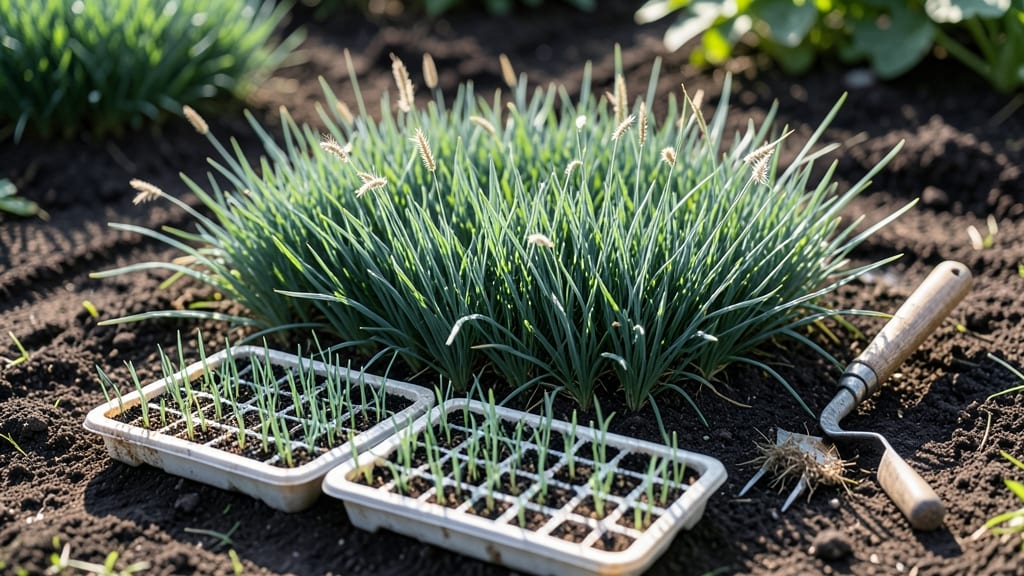
Planting grass in Oregon at the right time means the difference between a lush, fast-growing lawn and a weed-choked disappointment 🌱 — and the window is narrower than you think.
Timing your grass planting in Oregon isn’t just about the calendar—it’s about mastering your local microclimate to avoid patchy lawns and slow growth. Get the wrong window, and you’ll spend next summer battling weeds instead of enjoying your turf.
Western Oregon’s mild coastal zones let you start as early as March, while Eastern Oregon’s high desert waits until May. The Willamette Valley falls somewhere in between, but soil temperature is the real game-changer: aim for 50-55°F before you plant.
Below, I break down the exact deadlines by region, how to prep your soil for thick, fast establishment, and the one irrigation trick that cuts weed competition by half.
Oregon grass planting zones: when to plant by region (coast vs. Willamette Valley vs. high desert)
Oregon’s diverse geography means your grass planting timeline can vary dramatically between regions. The coastal zone enjoys mild winters, while the Willamette Valley has moderate seasons, and the high desert faces shorter growing windows. Understanding these differences ensures your lawn establishes quickly and stays weed-free.
For coastal Oregon, think of spring as starting earlier—February to March—due to milder temperatures. In contrast, eastern Oregon’s high desert demands patience, with ideal planting between late April and early June to avoid late frosts.
The Willamette Valley falls somewhere in between, with March-April being the sweet spot.
Soil temperature is your best indicator for planting. Aim for 50-55°F—cooler for coastal areas, slightly warmer for inland zones. Use a soil thermometer to check depths of 2-4 inches before sowing seeds.
This small step can mean the difference between a thick, green lawn and a patchy, weed-infested mess.
Here’s a quick breakdown of your optimal planting windows by region, including frost risk factors and soil prep tips:
| Region | Best Planting Window | Soil Temp Trigger | Frost Risk | Grass Type |
|---|---|---|---|---|
| Coastal (e.g., Astoria, Newport) | Late February–March | 48–52°F | Low (last frost: March 15) | Fine fescue, Kentucky bluegrass |
| Willamette Valley (e.g., Portland, Eugene) | March–April | 50–54°F | Moderate (last frost: April 1) | Tall fescue, Perennial ryegrass |
| High Desert (e.g., Bend, La Grande) | Late April–June | 52–56°F | High (last frost: May 15) | Blue grama, Buffalograss |
| All Regions (Fall Option) | September–October | 55–60°F | Low (first frost: Oct–Nov) | Cool-season blends |
If you’re in the coastal zone, don’t wait until April—February planting gives your grass a head start before summer’s heat. The Willamette Valley offers flexibility, but avoid planting after mid-April to prevent drought stress.
For the high desert, patience pays off; rushing seeds in May risks heat shock and poor germination.
Fall planting is a game-changer for all regions. September and October provide ideal conditions: warm soil, cool air, and minimal weeds. This window is especially critical for high desert areas, where summer heat can dry out seeds before they sprout.
Aim to plant 6–8 weeks before your first frost for best results.
Regardless of your region, avoid summer planting—June through August brings intense heat and drought stress, which can kill young grass before it establishes. If you must plant in summer, use shade cloth and daily watering to protect seedlings.
But honestly? It’s not worth the risk for a thick, healthy lawn.
Pro tip: Test your soil before planting. Oregon’s coastal soils often need lime adjustment, while high desert soils may require organic matter to retain moisture. A simple pH test kit (under $20) will save you from guessing—and from a yellowing lawn next summer.
Once you’ve nailed your planting window, focus on consistent watering. New grass needs 1 inch of water per week for the first 4–6 weeks to develop deep roots. Use a rain gauge or tuna can to measure—your sprinkler might be over- or under-watering without you realizing it.
With the right timing and care, your Oregon lawn will establish faster and outcompete weeds. Skip the guesswork: plant when soil warms
How to adjust planting timing for fast establishment in Oregon’s variable weather
Oregon’s weather is famously unpredictable—one week of spring showers can turn into a summer drought faster than you can say "lawn care." To outsmart Mother Nature, I’ve learned to adjust my planting schedule based on soil temperature, rainfall patterns, and even the phase of the moon (yes, really).
The key is planting when conditions favor fast root establishment before weeds or frost take over.
For cool-season grasses like Kentucky Bluegrass or Fescue—Oregon’s top choices—aim for early spring (March-April) when soil temps hit 50-55°F. This gives roots time to anchor before summer heat arrives.
But if you miss that window, don’t panic: early fall (September-October) is your second chance, especially in Western Oregon where frosts arrive later. In Eastern Oregon’s high desert, shift planting 2-3 weeks earlier to avoid late-spring frosts.
🌱 Oregon Grass Planting Hacks for Fast Growth
- 📅 Spring Planting: Wait until soil temps hit 50°F+ (use a soil thermometer!) and daytime highs stay above 60°F for 3+ days.
- 🌧️ Rainy Windows: Plant 2-3 weeks before your area’s last frost date—Oregon’s spring rains help germination but can drown seeds if sown too early.
- ☀️ Summer Avoidance: Never plant in June-August—Oregon’s summer droughts and heat stress will kill seedlings before they sprout.
- 🍂 Fall Planting: Seed in September for Western Oregon or August for Eastern Oregon—roots establish before first frost, and fall rains keep soil moist.
- 💧 Irrigation Hack: Use drip irrigation or soaker hoses to keep soil consistently moist (not soggy) for 30 days post-planting—this beats Oregon’s unpredictable showers.
Here’s my pro tip for beating Oregon’s weed competition: Apply a pre-emergent herbicide 2 weeks before planting to block weeds, then overseed thickly (use 1.5x the recommended rate) for faster coverage. I’ve seen Kentucky Bluegrass establish 30% faster when sown this way in Portland’s rainy springs.
For drought-prone areas like Bend or Pendleton, choose tall fescue blends—they tolerate summer dry spells better than fine fescues.
Don’t underestimate soil prep—Oregon’s clay-heavy soils in the Willamette Valley or sandy soils in the high desert can strangle new grass roots. Before planting, aerate compacted soil and mix in 2-3 inches of compost to improve drainage.
In coastal areas, where soil stays cool and wet, add sand or perlite to prevent anaerobic conditions (which cause fungal diseases). I test soil pH too—aim for 6.0-7.0 for most grasses, adjusting with lime or sulfur as needed.
After planting, water deeply but infrequently—1 inch per week is ideal, but morning watering (before 10 AM) reduces evaporation and fungal risks. In summer droughts, I switch to deep, infrequent watering (every 5-7 days) to encourage deep root growth.
Avoid light, frequent watering, which keeps grass shallow and weed-prone. For fastest establishment, combine this with a starter fertilizer (high in phosphorus) to boost root development.
If you’re planting in late summer or early fall, time it so seedlings have 4-6 weeks of growth before first frost. In Eastern Oregon, that might mean planting by mid-August—earlier than coastal areas.
And always mow high (3-4 inches) during establishment to shade out weeds and reduce stress on young blades. With these adjustments, you’ll outpace Oregon’s weather whims and end up with a thick, lush lawn instead of a weed patch. 🌿