
Plants
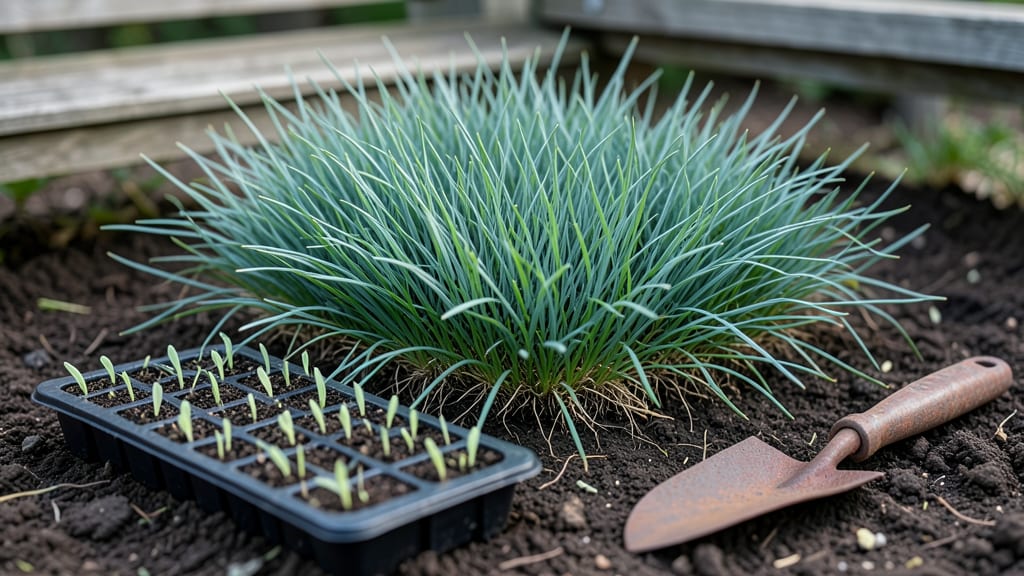
Planting grass in Western Washington State means timing it right to beat the rain, chill, and coastal quirks that can turn your lawn into a muddy mess.
Western Washington’s unpredictable weather—from chilly coastal breezes to inland heatwaves—can turn your grass-seeding project into a gamble if you plant at the wrong time. But timing it right transforms your lawn from patchy to picture-perfect with minimal effort.
Cool-season grasses like fescue and ryegrass thrive when planted in early spring or early fall, when soil temperatures hover between 50°F and 65°F. That’s why March and April are the sweet spots, but microclimates—like the milder Puget Sound or drier inland areas—demand adjustments.
Below, I’ll break down the best planting windows by zone, soil prep secrets for acidic WA dirt, and how to avoid the three biggest mistakes that kill grass before it even starts.
Optimal grass planting windows in Western Washington by microclimate zone
Western Washington’s diverse climate—from the cool, damp coastal regions to the warmer inland valleys—means planting grass at the wrong time can lead to slow germination or even failure. The key is understanding your microclimate zone and aligning planting with soil temperatures and rainfall patterns.
Coastal areas like the Olympic Peninsula stay cooler longer, while inland zones near Spokane or Wenatchee warm up faster. For cool-season grasses like Kentucky bluegrass or tall fescue, timing is everything.
Your last frost date (typically March 15 in most of Western WA) signals the start of prime planting windows. However, soil temperature is more critical than air temperature—seed needs 45–55°F soil to germinate.
Coastal areas may need to wait until late March or April, while inland zones can start as early as February in sheltered microclimates. Rainfall also plays a role: too much rain before planting can wash away seed, while drought conditions require extra irrigation.
Soil preparation should begin 4–6 weeks before planting. This includes testing soil pH (ideal: 6.0–7.0), amending with compost or peat moss for acidic soils, and tilling to a depth of 4–6 inches. In coastal zones, where soils are often sandy or loamy, adding organic matter improves water retention. Inland areas with clay-heavy soils benefit from gypsum to break up compaction.
For coastal regions, the late March–early May window aligns with rising soil temperatures and decreasing rainfall intensity. This is ideal for fine fescue blends, which thrive in shadier, cooler conditions. In contrast, inland zones can start as early as February because soils warm faster.
However, perennial ryegrass, which germinates quickly, is often the best choice for these areas to capitalize on the earlier window.
Overseeding existing lawns is another strategy, best done in early fall (September–October) when temperatures cool and weeds are less competitive. This 6–8 week window before the first frost allows new grass to establish roots before winter dormancy.
In Puget Sound areas, where mild, wet winters are common, overseeding in late September minimizes frost risk while maximizing moisture.
One critical mistake is planting too early, when soils are still too cold or saturated. This leads to poor germination and fungal diseases like damping-off. Use a soil thermometer to confirm temperatures before seeding.
Additionally, coastal wind exposure can dry out seed, so consider straw mulch or erosion control blankets in exposed areas.
If you’re planting sod instead of seed, timing shifts slightly. Sod establishes faster and can be laid 2–3 weeks after the last frost (typically mid-April in most zones). However, coastal areas may wait until late April to avoid cool, damp conditions that slow rooting.
Sod also benefits from immediate watering—keep it consistently moist for the first 2–3 weeks to encourage root growth.
Remember, Western Washington’s microclimates create unique challenges. For example, urban heat islands in cities like Portland can warm up faster than rural areas, allowing for earlier planting. Meanwhile, shaded lawns (common in wooded Puget Sound neighborhoods) perform best with fine fescue or shade-tolerant Kentucky bluegrass blends.
Always adjust your approach based on your specific sunlight exposure and soil type.
By following these microclimate-specific guidelines
How to avoid common mistakes that ruin grass planting in WA’s climate
Planting grass in Western Washington requires precision—one wrong move, and your cool-season turf can struggle to establish. The biggest mistake? Ignoring soil temperature and microclimate differences between coastal areas and inland zones. Even experienced gardeners overlook how urban heat islands or shaded spots can delay germination by weeks.
Another critical error is planting at the wrong time of year. While spring is ideal, rushing in February risks frost damage, and waiting until June means competing with summer weeds. Even overseeding in fall demands perfect timing to avoid fungal issues before winter sets in.
Planting too early (before soil temps hit 50°F) risks frost damage, while planting too late (after August) invites weeds. Weed competition can choke out new grass if you don’t pre-treat with corn gluten meal. Even microclimates matter: Coastal areas stay cooler longer, while inland zones dry out faster.
Use a soil thermometer to confirm 50–60°F soil temps before seeding. For urban heat islands, water twice daily until germination. Shaded spots need fine fescue blends that tolerate low light.
Weed competition is another silent killer. Many gardeners skip pre-emergent herbicides, only to watch crabgrass and clover take over. A 3-step pre-treatment—tilling, herbicide, and compost—can save your lawn. Even organic gardeners should use boiled crabgrass seed (yes, really!) to block weeds naturally.
Don’t assume all of Western Washington follows the same rules. Coastal areas (like Olympia) can plant 2–3 weeks earlier than Spokane, where dry summers demand drought-tolerant varieties. A quick check of your USDA Zone (8a–9a) helps, but local weather patterns matter more.
Finally, watering mistakes undo all your hard work. New grass needs 1–1.5 inches of water weekly, but daily light sprinkles encourage shallow roots. Use a rain gauge to track moisture—WA’s rainy season can make overwatering just as bad as underwatering.
By avoiding these 5 common mistakes, your Western Washington lawn will establish faster, resist weeds, and thrive year-round—no matter your microclimate. Start with soil prep, time your planting, and watch your grass outperform the neighbors’! 🌱