
Plants
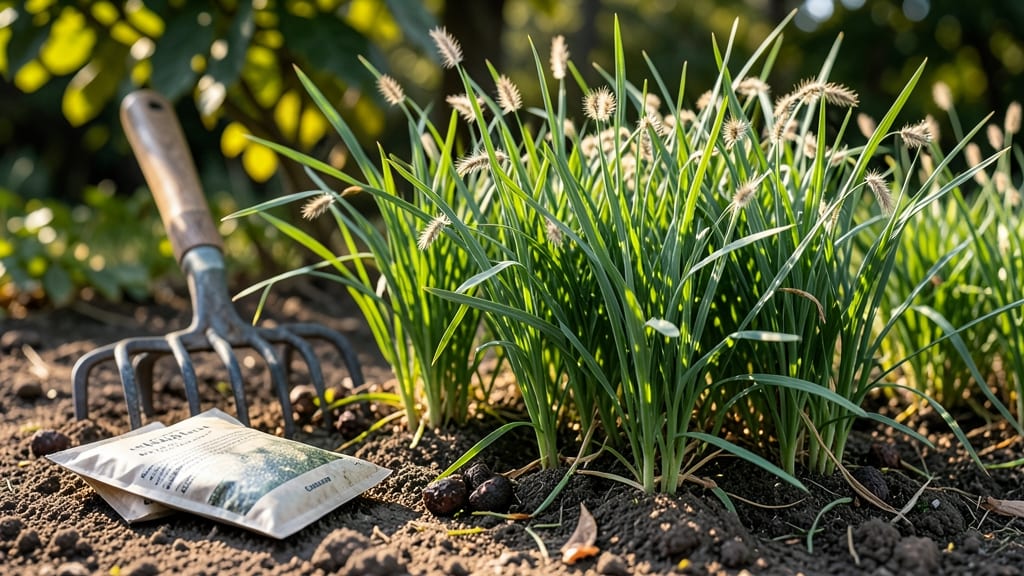
Planting grass seed in East Tennessee at the right time ensures perfect germination and a lawn that thrives year-round.
Timing is everything when planting grass seed in East Tennessee—get it wrong, and you’ll battle weeds, drought, or slow germination. But master the local microclimates, and you’ll enjoy lush, resilient lawns year after year.
With USDA zones 6a-7a and microclimates ranging from mountain valleys to urban heat islands, your planting window can shift by weeks. Cool-season grasses like fescue love the mild spring and fall, while warm-season Bermuda thrives only when summer’s heat is here to stay.
Below, I break down the exact month-by-month windows for your region, soil prep secrets, and how to adjust for elevation or frost risks—so you skip the guesswork and get it right the first time.
Best planting windows for East Tennessee grass seed by region
East Tennessee’s diverse geography—from Knoxville’s valleys to Asheville’s mountain slopes—creates unique planting windows for grass seed. Cool-season grasses like tall fescue thrive in spring and fall, while warm-season bermudagrass needs summer heat. Understanding your USDA Zone 6a-7a microclimate is key to avoiding frost damage or summer drought stress.
Soil temperatures below 55°F slow germination, while 90°F+ can bake seeds before they sprout. Knoxville’s urban areas often warm 2-3°F hotter than rural zones, shifting ideal planting by 1-2 weeks. Let’s break down the best times for each region, including rainfall patterns and frost risk factors.
🌱 Pro Tip: Test soil temps with a soil thermometer—aim for 60-75°F for cool-season grasses and 75-85°F for warm-season types.
In Knoxville, spring planting should start when daytime highs consistently reach 70°F—typically mid-March—but avoid seeding if frost is predicted within 7-10 days. The last frost date averages April 15, but microclimates near Ijams Nature Center can delay frost until May 1.
For Asheville’s higher elevations, cool-season grasses like fine fescue benefit from late April planting to escape summer’s drought stress.
The Blue Ridge Parkway areas often see first frost as early as October 10, so aim to finish fall seeding by September 15 to allow 4-6 weeks of root establishment before winter.
Warm-season grasses like centipedegrass need soil temps above 75°F, which Knoxville hits by late May. However, Chattanooga’s valley warmth allows planting as early as mid-May. Water deeply 2x weekly during establishment to prevent summer browning.
🌧️ Rainfall Tip: East Tennessee’s September-October often brings higher humidity and fungal risks. Use disease-resistant seed varieties like Turf-Type Tall Fescue and avoid overhead watering after 4 PM to reduce lawn diseases.
Mountain regions above 3,000 feet (e.g., Great Smoky Mountains National Park areas) have shorter growing seasons. Focus on cool-season grasses and plant in late April-June or July-August for fall. Warm-season grasses
How microclimates affect grass seed germination in East Tennessee
East Tennessee’s diverse terrain—from the Great Smoky Mountains to urban heat islands in Knoxville—creates unique microclimates that shift ideal planting windows. A valley in USDA Zone 7a might be perfect for fall planting in September, while a mountain slope at 3,000 feet could still face frost risks.
Understanding these variations ensures your grass seed germinates consistently, not sporadically.
Elevation alone can delay last frost dates by weeks. For example, Asheville’s higher elevations often see frost until May 15, while Chattanooga’s valleys may warm up by April 10.
This means cool-season grasses like tall fescue should wait longer in the mountains but can start earlier in warmer pockets. Warm-season grasses like Bermuda face opposite challenges—urban heat can push planting back to avoid summer drought stress.
🌱
Planting cool-season grass in urban heat islands (like downtown Knoxville) during late spring risks heat stress before roots establish. Similarly, mountain slopes can stay too cold for warm-season grasses until June—delaying planting by 4-6 weeks compared to valleys.
Shade patterns also play a critical role. North-facing slopes in the Smokies may stay 5-10°F cooler than south-facing areas, extending the frost window by 2-3 weeks.
If your lawn sits in partial shade, opt for shade-tolerant grasses like fine fescue and adjust your planting window to match the cooler microclimate. Even a 10% shade difference can reduce germination rates by 30% for sun-loving varieties.
Watering strategies must adapt too. High-altitude areas like Clingmans Dome lose moisture faster due to lower humidity and strong winds, requiring daily watering for the first 2 weeks.
Meanwhile, valley floors like those near Knoxville’s Ijams Nature Center can suffer from waterlogging—so mulch lightly with straw to retain moisture without smothering seeds. Always check soil moisture 2 inches deep; it should feel like a wrung-out sponge.
Mulching choices vary by microclimate. In warmer valleys, a thin layer of pine straw (¼ inch) helps retain moisture and cool roots during spring planting. But in cooler mountain zones, use straw mulch (½ inch) to insulate seeds from nighttime frosts.
Avoid heavy mulch in urban areas, where heat reflection can bake seeds—stick to organic, breathable options like leaf litter.
Pro tip: Use a soil thermometer to confirm 55-65°F soil temps before planting.
In elevated areas, this might mean waiting until late May for warm-season grasses, while valleys can start as early as mid-April. Track local frost data via NOAA’s Climate Normals for your specific ZIP code—it’s the best way to customize your timeline.
🌿